


Frequently asked questions
About this category
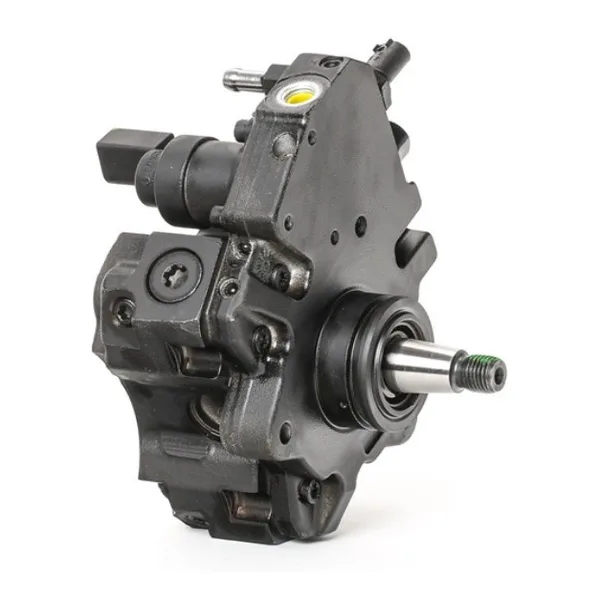
The high-pressure pump category serves owners and professionals working on Mercedes 350 D models equipped with the 258 hp V6 diesel engine, where fuel delivery precision directly impacts power delivery, emissions, and long-term reliability. These pumps, often referred to as CP3 or CP4 variants depending on the generation, are the heart of the common-rail system, pressurizing diesel to over 2,000 bar before distributing it to injectors. Whether you are a DIY enthusiast tackling a misfire or a workshop replacing a failing unit under warranty, this category provides the exact fitment needed for seamless integration without modifications.
This range is built around the core principle of exchange-standard remanufacturing, where worn pumps are restored to near-new condition through precision machining, seal replacement, and pressure testing against OEM tolerances. The supply chain leverages bulk procurement from tier-one suppliers like Bosch, ensuring compatibility across model years and avoiding the volatility of aftermarket alternatives. For professionals, this means reduced downtime and predictable performance, while private owners benefit from cost savings without compromising on quality standards observed in dealer networks.
Professional uses by trade
Different users approach the high-pressure pump replacement with distinct priorities: garages prioritize turnaround time and bulk availability, DIYers seek clarity on fitment and return policies, and German buyers expect documentation that aligns with local workshop standards.
- Le garagiste independant : Replace a failing pump in under two hours by selecting the exact OEM reference, avoiding costly dealer delays while maintaining warranty compliance for customer vehicles.
- L'automobiliste depanne : Diagnose a sudden power loss or rough idle by matching symptoms to common-rail pump failure, then order the correct remanufactured unit for a weekend swap.
- Le passionne qui fait lui-meme : Source a core deposit pump to reduce costs, then follow step-by-step guides to remove the old unit and install the remanufactured replacement without specialized tools.
- Der deutsche Kaeufer (DACH) : Verify compatibility with the OM642 engine by cross-referencing the pump’s Bosch reference against the vehicle’s build date and power output, ensuring no surprises during installation.
- Le garagiste independant : Stock exchange-standard pumps in bulk to cover seasonal demand spikes, reducing lead times for customers while keeping inventory costs predictable.
- L'automobiliste depanne : Return the core pump within the specified window to reclaim the deposit, simplifying the transaction and avoiding hidden fees from less transparent suppliers.
- Der deutsche Kaeufer (DACH) : Choose a pump with documented remanufacturing steps, including camshaft inspection and pressure calibration, to ensure long-term reliability in high-mileage engines.
Range comparison
The following table compares the two high-pressure pump references available for the Mercedes 350 D 258 hp, highlighting their fitment, remanufacturing standards, and practical applications for different user needs.
| Range | Use | Format |
|---|---|---|
| High-pressure pump Bosch 0445010244 | direct replacement for OM642 engines | |
| High-pressure pump Bosch 0445010210 | alternative for later model years |
How to choose
Selecting the right high-pressure pump involves evaluating several factors beyond mere fitment, including remanufacturing quality, return policies, and compatibility with the vehicle’s specific configuration.
- Prioritize pumps with documented pressure calibration against OEM specifications to avoid post-installation drivability issues or premature failure in high-load conditions.
- Check the core deposit policy to ensure the return window aligns with your workflow, preventing unnecessary costs from missed deadlines or damaged cores.
- Verify the pump’s compatibility with the vehicle’s build date and power output, as minor variations in the OM642 generation can affect fitment despite similar external dimensions.
- Opt for suppliers that provide clear remanufacturing documentation, including camshaft wear limits and seal replacement records, to justify the exchange-standard approach to customers.
- Compare packaging quality and handling instructions, as improper storage or transit damage can void warranties and complicate installation for DIY users.
- Assess the supplier’s return process for defective units, ensuring replacements are dispatched promptly without additional fees for restocking or reconditioning.
- For bulk orders, request lot traceability to track pump batches by remanufacturing date, which helps maintain consistency in performance across multiple installations.
Storage & logistics
High-pressure pumps must be stored in a climate-controlled environment to prevent seal degradation and corrosion, with humidity levels below 50% and temperatures between 15°C and 25°C to preserve the internal components. For workshops, vertical storage on dedicated racks minimizes stress on the pump body and camshaft, while sealed plastic bags with desiccant packets protect against moisture during transit. Avoid stacking pumps directly on top of each other, as this can distort the housing or damage the pressure sensor interface. Regular inventory rotation ensures older stock is used first, reducing the risk of seal dry-out or calibration drift over time. Always handle pumps by the mounting flange or inlet/outlet ports to avoid contaminating the high-precision mating surfaces with skin oils or debris.
With over a decade of experience in remanufacturing diesel injection components, our team has seen how a properly calibrated high-pressure pump restores both power and fuel economy in the OM642, turning a stalled engine back into a reliable daily driver.— autoKUR team
Related categories
Browse our other ranges:
Useful references
For regulatory and sector references, see Reglement (UE) 461/2010 — pieces de rechange et garantie constructeur.