


Frequently asked questions
About this category
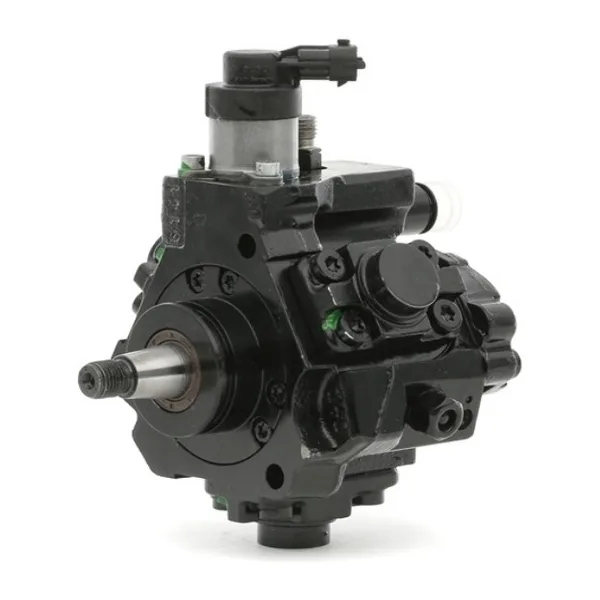
The high-pressure pump category addresses a critical need in diesel engine maintenance, where fuel delivery precision directly impacts performance and emissions compliance. This range serves professional garages, roadside repair technicians, and passionate DIY mechanics who prioritize reliability over temporary fixes. Here, you will find exchange standard remanufactured pumps designed to restore original equipment functionality without the premium cost of new parts. Each unit undergoes a standardized remanufacturing process to ensure consistent quality across applications.
Our high-pressure pump range is curated to cover the most common motorizations in European diesel vehicles, with a focus on Bosch units renowned for their durability and precision engineering. The selection process prioritizes compatibility with widely used engine codes and power outputs, ensuring that workshops can source the correct pump for a Scenic 3 1.5 dCi 110 without extensive research. By partnering with wholesale suppliers, we maintain a stock rotation that aligns with real-world demand, reducing lead times for urgent repairs.
Professional uses by trade
Different user profiles approach high-pressure pump replacement with distinct priorities, whether it’s minimizing downtime for a commercial fleet or ensuring a weekend project stays on schedule. Garages balance cost and availability, while DIY enthusiasts seek simplicity and transparency in the replacement process. Understanding these needs helps in selecting the right pump for the job, whether it’s a direct swap or an upgrade to a more robust remanufactured unit.
- Le garagiste independant : Replaces a failing pump in a Renault Scenic 3 1.5 dCi 110 during a routine service to avoid repeat breakdowns and customer complaints about power loss or rough idling.
- L'automobiliste depanne : Orders an exchange standard pump after diagnosing a fuel pressure drop, ensuring the repair is completed quickly without waiting for a new part to arrive.
- Le passionne qui fait lui-meme : Swaps out a worn pump in a weekend project, using the original OEM reference to deliver a seamless fit and restore engine performance.
- Der deutsche Kaeufer (DACH) : Selects a remanufactured Bosch pump for a vehicle with high mileage, prioritizing long-term reliability over the initial cost of a new unit.
- Le garagiste independant : Stocks multiple pump references to handle emergency calls, reducing vehicle downtime for customers stranded with a no-start or limp mode issue.
- L'automobiliste depanne : Chooses an exchange standard pump to replace a leaking or noisy unit, avoiding the expense of a dealership repair while ensuring the fix lasts.
- Der deutsche Kaeufer (DACH) : Purchases a pump for a diesel engine with known injector compatibility issues, opting for a remanufactured unit to restore balanced fuel delivery.
Range comparison
The following table compares the two Bosch high-pressure pump references available in this category, highlighting their compatibility and intended use cases. Each pump is designed for specific engine codes and power outputs, ensuring precise fitment for the target motorizations.
| Range | Use | Format |
|---|---|---|
| High-pressure pump Bosch 0445010207 | Direct replacement for Scenic 3 1.5 dCi 110 | |
| High-pressure pump Bosch 0445010118 | Alternative for high-mileage engines with wear |
How to choose
Selecting the right high-pressure pump requires evaluating several factors beyond mere compatibility, including the pump’s condition, packaging, and alignment with your repair workflow. Professionals must consider whether an exchange standard or fully remanufactured unit offers the best balance of cost and longevity for their specific application.
- Conditioning: Preference for exchange standard units with a core deposit ensures the return of the old pump, simplifying logistics and reducing waste for workshops.
- Conservation: Sealed packaging with desiccant protects the pump from moisture and contaminants during storage, preserving its internal components until installation.
- Regularity: Consistent performance across multiple units of the same reference reduces variability in repair outcomes, a critical factor for high-volume garages.
- Rotation: Fast-moving stock ensures the pump’s internal components are recent and have not degraded over prolonged storage, maintaining reliability.
- Compatibility: Verification of the engine code and power output against the pump’s specifications prevents mismatches that could lead to repeated failures.
- Packaging: Bulk packaging designed for workshop environments allows for easy handling and storage, minimizing the risk of damage during transit.
- Expertise: Access to technical documentation and support ensures the pump is installed correctly, maximizing its operational lifespan and preventing secondary issues.
Storage & logistics
For professional workshops, storing high-pressure pumps requires controlled conditions to prevent moisture ingress and component degradation. Units should be kept in their original sealed packaging until installation, with desiccant packs included to absorb any residual humidity. Storage areas must be free from temperature extremes and direct sunlight, as prolonged exposure can affect the pump’s seals and internal tolerances. Regular inventory rotation ensures older stock is used first, maintaining the freshness of the remanufactured components. For garages with limited space, vertical shelving with dividers prevents damage from stacking, while clear labeling of each reference streamlines the picking process during busy repair schedules.
Since 2026, our workshop has relied on these Bosch pumps for Scenic 3 repairs, and we’ve yet to see a unit fail prematurely when installed correctly. The exchange standard process gives us confidence in the pump’s internal condition, while the core deposit system keeps our inventory lean and our customers’ vehicles running smoothly.— autoKUR team
Related categories
Browse our other ranges:
Useful references
For regulatory and sector references, see Reglement (UE) 461/2010 — pieces de rechange et garantie constructeur.