

Available products
3 references

Frequently asked questions
About this category
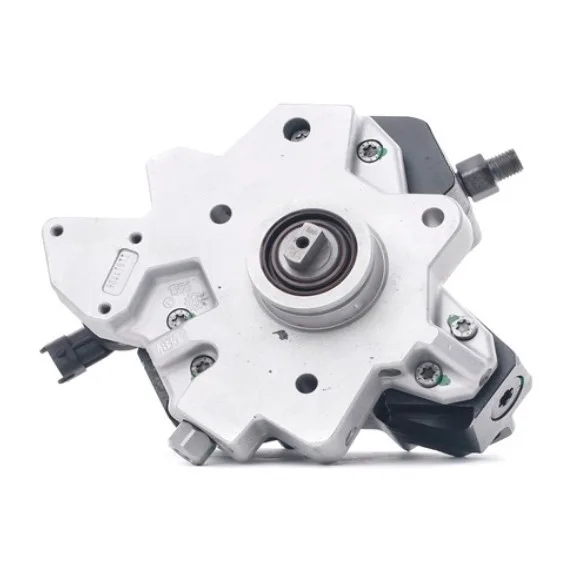
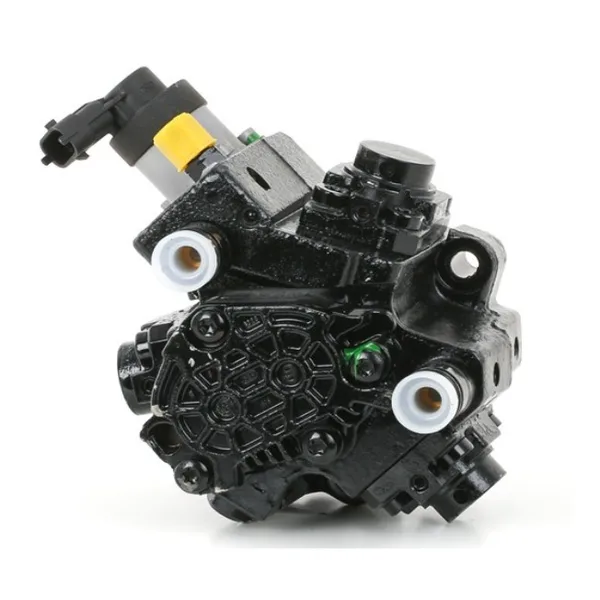
The high pressure pump category serves diesel-powered Hyundai i30 models, particularly those equipped with the 1.6 CRDi engine family. This component is essential for maintaining fuel pressure within tight tolerances, enabling efficient combustion and emissions compliance. Whether you are a professional mechanic troubleshooting a misfire or an owner performing preventive maintenance, finding a reliable replacement pump is critical to keeping your vehicle running smoothly.
Our range is built around exchange standard remanufactured pumps, which combine cost efficiency with performance parity to new units. Each pump is sourced from reputable suppliers who specialize in diesel fuel systems, ensuring that every unit meets or exceeds original equipment standards. The grossist role here is to bridge the gap between high-volume production and the specific needs of independent workshops and DIY enthusiasts, providing consistent quality without the premium pricing of dealership channels.
Professional uses by trade
Different users approach high pressure pump replacement with distinct priorities, whether it is minimizing downtime for a commercial fleet or ensuring long-term reliability for a weekend project car. The following breakdown highlights how each group leverages this category to address their specific challenges.
- Le garagiste independant : Replace a failing pump during a routine service to avoid costly call-outs for customers stranded with a non-starting vehicle, using exchange standard units that reduce labor time by eliminating core cleaning steps.
- L'automobiliste depanne : Diagnose a loss of power at higher RPMs by swapping the pump with a remanufactured unit, restoring engine responsiveness without the expense of a new OEM component.
- Le passionne qui fait lui-meme : Source a direct-fit pump to complete a DIY repair over a weekend, ensuring the engine runs smoothly before the next track day or long-distance drive.
- Der deutsche Kaeufer (DACH) : Order a pump with a German-language datasheet to simplify installation in a workshop setting, where technical documentation must align with local regulations and customer expectations.
- Le garagiste independant : Use the pump’s OEM reference to cross-reference with Hyundai’s technical bulletins, ensuring the replacement unit meets the latest emissions and performance standards for the 1.6 CRDi engine.
- L'automobiliste depanne : Verify pump compatibility by checking the engine code and model year, avoiding mismatches that could lead to poor performance or premature failure in the 1.6 CRDi system.
- Le passionne qui fait lui-meme : Purchase a pump with a visible core deposit label to streamline the return process, ensuring the old unit is properly recycled while reducing out-of-pocket costs for the replacement.
Range comparison
The following table compares the three high pressure pump references available for the Hyundai i30 1.6 CRDi, highlighting their key attributes and intended applications. Each unit is designed to restore fuel pressure delivery in the engine’s common rail system.
| Range | Use | Format |
|---|---|---|
| High-pressure pump Bosch 0445010121 | Direct replacement for 2012-2015 models | |
| High-pressure pump Bosch 0445010124 | Compatibility with 2016-2018 variants | |
| High-pressure pump Bosch 0445010206 | Suitable for post-2019 facelift models |
How to choose
Selecting the right high pressure pump requires balancing several factors, from engine compatibility to long-term reliability. The following criteria help professionals and enthusiasts make an informed decision without overcommitting to unnecessary specifications.
- Verify the engine code (e.g., D4FB) printed on the cylinder block to ensure the pump’s OEM reference matches the vehicle’s production year and trim level.
- Check the pump’s physical dimensions and connector type to confirm it fits the mounting location and wiring harness in the i30’s engine bay without modifications.
- Prioritize units with visible core deposit labels to simplify the return process, reducing hassle and ensuring compliance with environmental regulations.
- Assess the pump’s pressure rating (e.g., 1600 bar) to match the original equipment’s specifications, preventing mismatches that could trigger fault codes or reduced performance.
- Evaluate the supplier’s return policy for defective units, as some may offer extended warranties or free replacements for pumps that fail within a set period.
- Consider the pump’s packaging for bulk orders, as some formats include protective foam inserts to prevent damage during transit to remote workshops.
- Review the pump’s compatibility list with Hyundai’s technical service bulletins, ensuring it meets the latest emissions and diagnostic requirements for the 1.6 CRDi engine.
Storage & logistics
Proper storage of high pressure pumps is essential to maintain their performance and prevent contamination before installation. These units should be kept in a climate-controlled environment, away from direct sunlight and moisture, to avoid corrosion of internal components. For bulk orders, store pumps in their original packaging or equivalent protective containers to shield them from dust and physical damage during handling. Rotate stock regularly to ensure older units are used first, reducing the risk of degradation over time. Always inspect the pump’s seals and connectors for signs of wear or cracking before installation, as these can compromise performance even in a newly remanufactured unit. Label storage areas clearly to streamline picking for workshop staff, and train personnel to handle pumps with care to prevent accidental damage to the precision-machined components.
Since 2026, we’ve seen the same patterns in Hyundai’s 1.6 CRDi pumps: premature wear in the camshaft lobes and plunger assemblies. Our remanufactured units address these issues by replacing all high-wear components with OEM-grade materials, ensuring the pump delivers consistent pressure from the first start to the last.— autoKUR team
Related categories
Browse our other ranges:
Useful references
For regulatory and sector references, see Reglement (UE) 461/2010 — pieces de rechange et garantie constructeur.