

Available products
3 references


Frequently asked questions
About this category
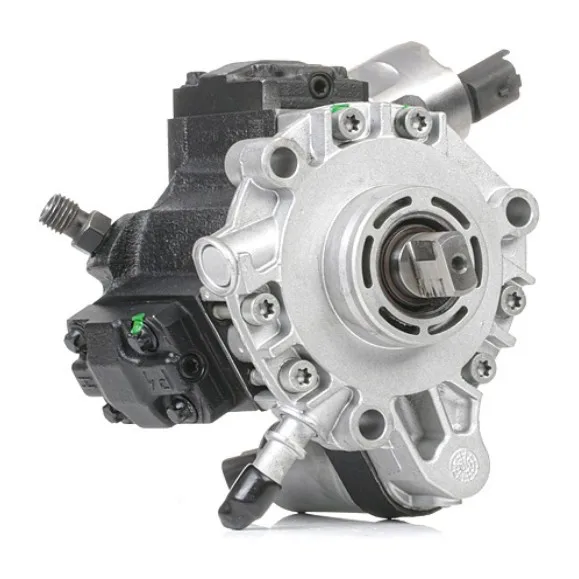
This category covers high-pressure pumps specifically designed for the 2.0 HDi 120 hp diesel engine, a powertrain found in numerous European vehicles from the mid-2000s to early 2010s. These pumps are critical components, responsible for delivering precise fuel quantities at pressures exceeding 2,000 bar, making their reliability essential for engine performance and longevity.
The range is built around three core references—SIEMENS-VDO 5WS40019, SIEMENS-VDO 5WS40163Z, and DELPHI R9424A050A—each selected for their widespread compatibility and proven durability in exchange-standard applications. These pumps are sourced from reputable remanufacturers who restore them to near-OEM specifications, ensuring consistent quality across batches.
Professional uses by trade
Different professionals interact with these pumps in distinct ways: garages replace them during scheduled maintenance, DIY enthusiasts source them for self-repairs, and German buyers prioritize compatibility with local vehicle fleets. Each use case demands clarity on fitment and condition.
- Le garagiste independant : Replaces a failing pump during a routine service to restore engine performance without overhauling the entire fuel system.
- L'automobiliste depanne : Orders a replacement pump after diagnosing a fuel delivery issue, often following a check engine light or rough idle.
- Le passionne qui fait lui-meme : Sources a remanufactured pump to avoid costly dealership repairs, prioritizing ease of installation and compatibility.
- Der deutsche Kaeufer (DACH) : Selects a pump based on local vehicle registrations, ensuring the part matches the exact motorization and emission standards of the region.
- Le garagiste independant : Uses these pumps as direct replacements for OEM units, reducing downtime for customers while maintaining repair profitability.
- L'automobiliste depanne : Relies on exchange-standard pumps to avoid the expense of new OEM components, especially for older vehicles with high mileage.
- Der deutsche Kaeufer (DACH) : Prefers pumps with clear OEM equivalences to simplify ordering and reduce the risk of misfit in German-engineered vehicles.
Range comparison
Below, you will find the three high-pressure pump references available for the 2.0 HDi 120 hp category, each listed with its exact OEM designation and core compatibility details.
| Range | Use | Format |
|---|---|---|
| High-pressure pump SIEMENS-VDO 5WS40019 | Direct replacement for common 2.0 HDi variants | |
| High-pressure pump SIEMENS-VDO 5WS40163Z | High-flow variant for tuned or modified engines | |
| High-pressure pump DELPHI R9424A050A | OEM-equivalent for Peugeot and Citroën applications |
How to choose
Selecting the right high-pressure pump depends on several factors, including vehicle age, engine tuning, and local availability of exchange cores. These criteria ensure the part meets both technical and logistical needs.
- Verify the engine code (e.g., DW10) to confirm compatibility with your vehicle’s motorization before ordering any pump.
- Check the pump’s condition—remanufactured units should show no signs of corrosion or wear on critical components like the camshaft or plungers.
- Prioritize pumps with clear OEM equivalences to avoid compatibility issues, especially in vehicles with strict emission controls.
- Opt for exchange-standard pumps to reduce costs, as they often come with a core deposit system that refunds part of the price upon return of the old unit.
- Ensure the pump’s flow rate matches the engine’s requirements, as mismatched pumps can lead to poor performance or premature failure.
- For high-mileage engines, choose pumps with reinforced housings to withstand prolonged use without leaks or pressure drops.
- Select suppliers who provide detailed documentation, including remanufacturing reports and compatibility charts for your specific motorization.
Storage & logistics
High-pressure pumps must be stored in a dry, temperature-controlled environment to prevent moisture damage or seal degradation. For B2B clients, we recommend using sealed plastic bins with desiccant packs to maintain optimal conditions during transit or warehouse storage. Avoid stacking pumps vertically to prevent stress on the housing or camshaft, and always handle them with care to avoid impact damage that could compromise internal tolerances.
With over a decade of experience in remanufacturing fuel system components, our team ensures every high-pressure pump meets the same standards as a new unit—without the premium price tag, backed by transparent sourcing and no hidden services.— autoKUR team
Related categories
Browse our other ranges:
Useful references
For regulatory and sector references, see Reglement (UE) 461/2010 — pieces de rechange et garantie constructeur.