

Available products
4 references
Frequently asked questions
About this category
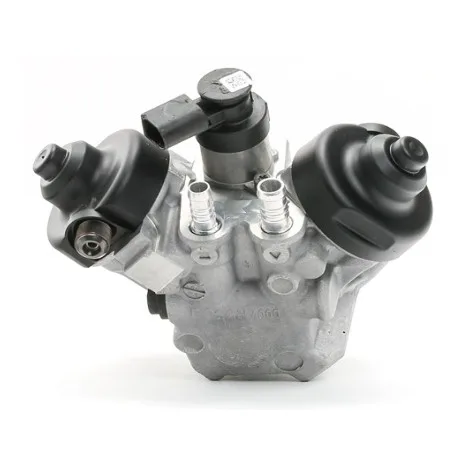
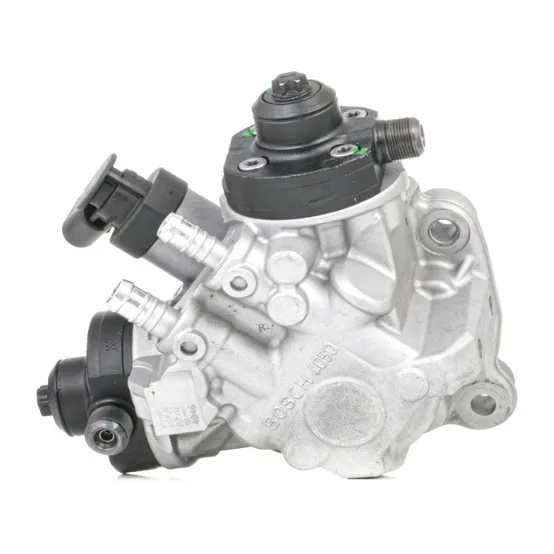
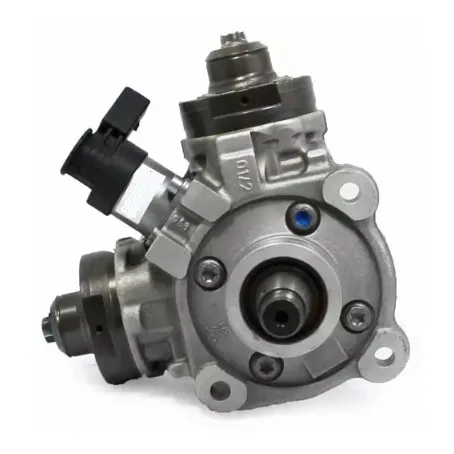
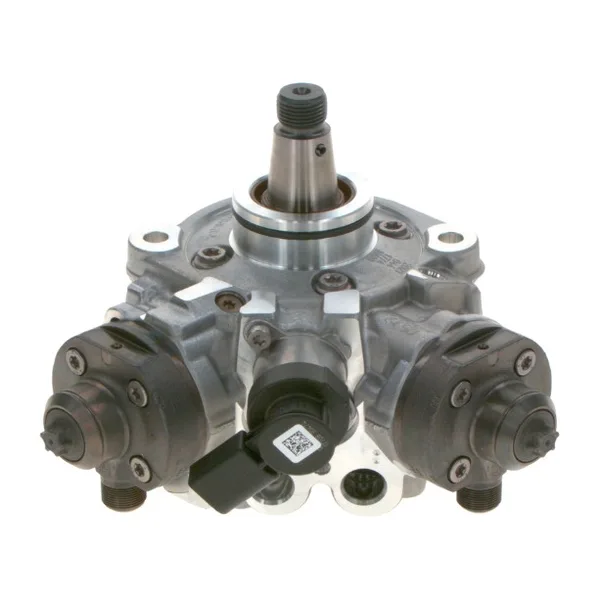
This category addresses the high-pressure pump needs for the 3.0 TDI 218 HP engine, a powerplant found in multiple vehicle brands and model years. These pumps are essential for maintaining diesel injection pressure, directly impacting fuel delivery, combustion efficiency, and overall engine performance. Whether for routine maintenance or emergency repairs, selecting the correct pump ensures the engine operates within factory specifications.
The range is built around Bosch remanufactured pumps, a brand synonymous with diesel injection reliability. Each pump undergoes a standardized remanufacturing process that includes core testing, component replacement, and pressure calibration, ensuring performance comparable to new units. The wholesale approach allows garages to access these high-quality parts at competitive rates, reducing downtime and operational costs.
Professional uses by trade
Different users approach high-pressure pump replacement with distinct priorities: garages prioritize compatibility and bulk availability, DIY enthusiasts seek straightforward installation, and German buyers demand precision-engineered parts with clear documentation.
- Le garagiste independant : Replaces a failing pump to restore engine power and fuel efficiency without diagnosing the root cause, relying on the pump’s OEM specifications for a direct fit.
- L'automobiliste depanne : Orders a pump to address sudden power loss or excessive smoke, often after confirming the pump’s role in the engine’s performance issues.
- Le passionne qui fait lui-meme : Selects a pump based on vehicle model and engine code, ensuring the replacement matches the original part’s dimensions and pressure ratings.
- Der deutsche Kaeufer (DACH) : Prefers pumps with clear remanufacturing documentation and German-language support, ensuring compliance with local automotive standards and warranty expectations.
- Le garagiste independant : Uses the pump as a direct replacement in vehicles with high mileage, where wear on the injection system is evident through inconsistent fuel delivery.
- L'automobiliste depanne : Seeks a pump that resolves rough idling or hard starting, symptoms often linked to inconsistent high-pressure fuel delivery in the 3.0 TDI engine.
- Der deutsche Kaeufer (DACH) : Values pumps with a core deposit system, allowing for a straightforward exchange process that aligns with local recycling and environmental regulations.
Range comparison
The following table lists the high-pressure pumps compatible with the 3.0 TDI 218 HP engine, each verified for fitment and remanufacturing standards.
| Range | Use | Format |
|---|---|---|
| High-pressure pump Bosch 0445010824 | Direct replacement for common 3.0 TDI applications | |
| High-pressure pump Bosch 0445010677 | High-mileage engines requiring robust remanufacturing | |
| High-pressure pump Bosch 0445010646 | Vehicles with frequent fuel system maintenance needs | |
| High-pressure pump Bosch 0445010806 | Performance-tuned engines needing precise pressure calibration |
How to choose
Selecting the right high-pressure pump involves evaluating several factors, including vehicle compatibility, remanufacturing quality, and core deposit policies.
- Verify the engine code and vehicle model to ensure the pump’s pressure rating matches the original specifications, avoiding mismatches that could affect performance.
- Prioritize pumps with a visible remanufacturing stamp or label, indicating they have undergone standardized testing and component replacement.
- Check the core deposit policy, as some suppliers require returning the old pump within a set timeframe to avoid additional fees.
- Assess the pump’s packaging for protective seals and anti-static measures, ensuring the part arrives in optimal condition for installation.
- Confirm the supplier’s return policy for defective units, as some offer exchanges without restocking fees if the issue is identified promptly.
- Evaluate the pump’s compatibility with the vehicle’s fuel system, including pressure relief valves and injector connections, to prevent installation complications.
- Consider the supplier’s lead time and shipping options, especially for urgent repairs where downtime must be minimized.
Storage & logistics
High-pressure pumps require careful storage to maintain their remanufactured condition. Keep them in a dry, temperature-controlled environment away from direct sunlight and corrosive substances. Avoid stacking heavy items on top of the packaging to prevent deformation of the precision-machined components. For bulk orders, use shelving with dividers to separate individual units and prevent contact between metal parts. Regularly inspect stored pumps for signs of moisture or contamination, and rotate stock to ensure older units are used first, maintaining freshness and reliability.
With over a decade of experience in diesel injection systems, our team has seen how a single high-pressure pump can restore an engine’s performance—when sourced from a trusted remanufacturer, the difference is immediate and measurable.— autoKUR team
Related categories
Browse our other ranges:
- 3.0 TDI Quattro 326 hp
- 3.0 TDI Quattro 320 hp
- 3.0 TDI Quattro 313 hp
- 3.0 TDI Quattro 272 hp
- 3.0 TDI Quattro 245 hp
- 3.0 TDI Quattro 218 hp
Useful references
For regulatory and sector references, see Reglement (UE) 461/2010 — pieces de rechange et garantie constructeur.