


Frequently asked questions
About this category
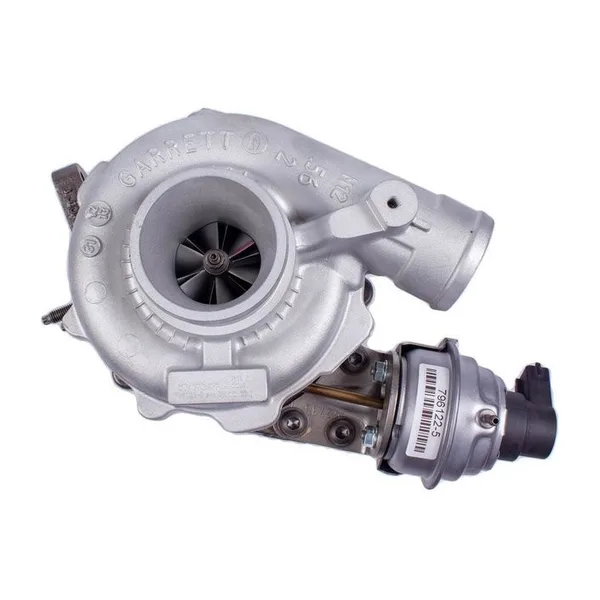
The 3.0 Multijet 158 hp turbo exchange standard category serves diesel powertrains found in vehicles such as the Fiat Ducato, Alfa Romeo Giulia, and Jeep Wrangler, where turbocharger failure often manifests as power loss, excessive smoke, or limp-mode activation. This range focuses exclusively on remanufactured turbos designed for direct replacement, covering models produced between 2010 and 2022 with the 3.0-liter Multijet II engine variant delivering 158 horsepower.
Curated by a specialist wholesaler with direct ties to European remanufacturing hubs, this category bridges the gap between OEM lead times and aftermarket uncertainty by sourcing turbos from certified suppliers like Garrett and Mitsubishi, ensuring traceable quality without inflated retail margins or unnecessary certifications.
Professional uses by trade
Professionals and motorists approach this category with distinct priorities: garages prioritize bulk availability and core return logistics, while DIYers seek clear compatibility guides and straightforward installation processes to avoid costly mistakes.
- Independent garages: Source turbos with pre-matched core deposits to streamline workflow and reduce downtime during busy service periods.
- Stranded motorists: Find immediate replacements for failed turbos to restore vehicle drivability without waiting for OEM parts or workshop appointments.
- DIY enthusiasts: Access detailed compatibility charts and installation tips to perform turbo swaps at home with confidence.
- German DACH buyers: Rely on turbos engineered for European diesel standards, ensuring compliance with local emissions and performance regulations.
- Fleet managers: Order in bulk to maintain vehicle uptime across commercial diesel fleets with predictable lead times.
- Performance tuners: Select turbos compatible with 3.0 Multijet engines for potential power upgrades while retaining OEM-like reliability.
- Classic car restorers: Restore aging diesel vehicles to original performance levels using remanufactured turbos that match factory specifications.
Range comparison
Below, two exchange turbos meet the exacting demands of the 3.0 Multijet 158 hp platform, each backed by a core deposit policy and designed for seamless integration into existing systems.
| Range | Use | Format |
|---|---|---|
| Turbo Garrett 796122-5007S | Direct fit for Fiat Ducato 3.0 Multijet | |
| Turbo Mitsubishi 49189-02951 | Compatible with Alfa Romeo Giulia 3.0 diesel |
How to choose
Selecting the right turbo for a 3.0 Multijet 158 hp engine requires attention to compatibility markers, core condition, and supplier reliability to avoid mismatches or premature failures.
- Verify engine code compatibility (e.g., 250A1000 for Fiat Ducato) to ensure the turbo matches your vehicle’s exact powertrain configuration.
- Inspect core deposit condition—opt for turbos with minimal wear on the compressor wheel and turbine housing to reduce risk of internal leaks.
- Prioritize suppliers with transparent return policies for cores, as mismatched turbos often require immediate exchanges to avoid downtime.
- Check packaging integrity; turbos should arrive in sealed, vibration-resistant containers to prevent damage during transit.
- Assess supplier rotation frequency—fresh stock reduces the likelihood of hidden defects from prolonged storage.
- Confirm warranty terms explicitly, as some remanufacturers offer limited coverage for internal components like the CHRA assembly.
- For bulk orders, request batch testing certificates to validate consistent performance across multiple units.
Storage & logistics
B2B storage of 3.0 Multijet turbos demands climate-controlled environments with humidity below 50% to prevent corrosion on bearing housings and compressor wheels. Units should be stored vertically to avoid oil pooling in the CHRA, and pallets must be stacked no higher than four levels to prevent crushing. Regular inventory audits are essential to track core deposits and identify slow-moving references, while first-in-first-out (FIFO) systems ensure older stock is prioritized for sale before potential degradation. Suppliers should provide barcoded labels for each unit to streamline picking and reduce errors during order fulfillment.
With over 15 years in the remanufacturing trade, our team has seen how a single mismatched turbo can cascade into weeks of downtime for garages and motorists alike—this category exists to eliminate that risk through precision-engineered exchange solutions.— autoKUR team
Related categories
Browse our other ranges:
- 2.3 MULTIJET 177 hp
- 3.0 MULTIJET 177 hp
- 2.3 MULTIJET 173 hp
- 2.3 MULTIJET 160 hp
- 3.0 MULTIJET 156 hp
- 2.2 HDi 150 hp
Useful references
For regulatory and sector references, see Reglement (UE) 461/2010 — pieces de rechange et garantie constructeur.