


Frequently asked questions
About this category
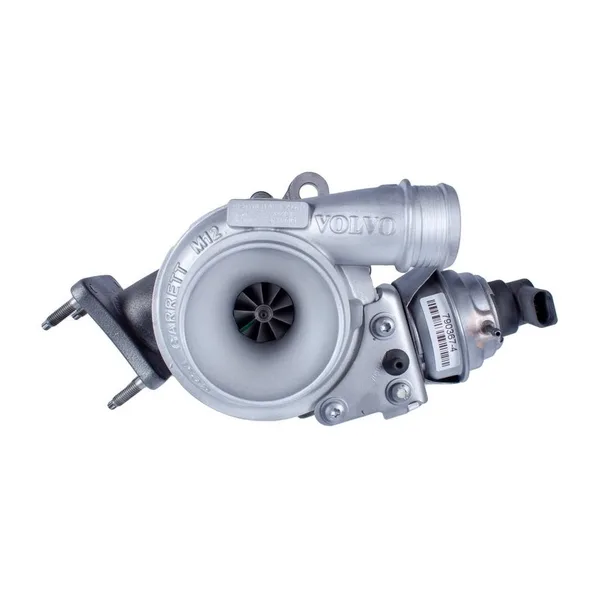
The 2.0 d3 150 hp diesel engine, found in numerous European vehicles from the mid-2000s onward, demands precise turbocharger performance to balance fuel efficiency and power output. This category addresses the critical need for reliable, remanufactured turbochargers that restore original engine behavior without the expense of new OEM parts. Whether you are a mechanic sourcing a replacement for a customer’s vehicle or an owner performing your own repairs, this range provides the exact fit and function required for seamless integration.
Turbochargers in this category are sourced from reputable remanufacturers who specialize in core processing, ensuring each unit undergoes thorough inspection, bearing replacement, and dynamic balancing. The role of the wholesaler here is to aggregate these high-quality remanufactured products, offering garages and DIY enthusiasts access to consistent, cost-effective solutions that align with OEM performance standards.
Professional uses by trade
Different users approach turbocharger replacement with distinct priorities: garages prioritize reliability and turnaround time, while DIY owners focus on compatibility and ease of installation. Below, we outline how each group can leverage this category to resolve turbocharger issues efficiently.
- Le garagiste independant : Replace a failing turbocharger on a 2012 Renault Laguna with a remanufactured unit to restore the 2.0 d3 150 hp engine’s original power delivery without compromising workshop schedules.
- L'automobiliste depanne : Diagnose a sudden loss of acceleration in a 2010 Peugeot 308 by sourcing a remanufactured turbocharger that matches the vehicle’s OEM specifications for seamless installation.
- Le passionne qui fait lui-meme : Swap out a worn turbocharger on a 2008 Citroën C5 by selecting a remanufactured unit that fits the 2.0 d3 150 hp engine, ensuring no additional modifications are required.
- Der deutsche Kaeufer (DACH) : Address a turbocharger failure in a 2011 Opel Insignia by choosing a remanufactured unit that meets the exact requirements of the 2.0 d3 150 PS motor, avoiding costly dealership repairs.
- Le garagiste independant : Use a remanufactured turbocharger to resolve a customer’s complaint of excessive black smoke from the exhaust, restoring the 2.0 d3 150 hp engine’s combustion efficiency.
- L'automobiliste depanne : Replace a noisy or leaking turbocharger in a 2009 Ford Mondeo by selecting a remanufactured unit that eliminates whining sounds and restores smooth engine operation.
- Der deutsche Kaeufer (DACH) : Maintain the performance of a 2013 Vauxhall Insignia by installing a remanufactured turbocharger that matches the 2.0 d3 150 PS engine’s original output, ensuring long-term reliability.
Range comparison
Below, we present two remanufactured turbocharger options specifically designed for the 2.0 d3 150 hp diesel engine, each tested for compatibility and performance to ensure a direct fit and reliable operation.
| Range | Use | Format |
|---|---|---|
| Turbo Garrett 790367-5005S | direct replacement for 2.0 d3 150 hp | |
| Turbo Garrett 787630-5001S | high-flow option for tuned applications |
How to choose
Selecting the right remanufactured turbocharger involves evaluating several key factors, including core condition, compatibility with the vehicle’s motorization, and the remanufacturer’s reputation for quality.
- Prioritize remanufactured turbos with a documented history of core processing, as this ensures the unit has undergone professional inspection and repair.
- Verify compatibility with the vehicle’s exact motorization, including engine code and power output, to avoid mismatches that could lead to installation issues.
- Choose units from manufacturers known for consistent quality control, as this reduces the risk of premature failure after installation.
- Assess the condition of the core deposit, as a well-preserved core often indicates a higher-quality remanufacturing process.
- Opt for turbos that include a warranty or deliver of performance, as this provides additional assurance of their reliability in real-world conditions.
- Consider the remanufacturer’s turnaround time for core processing, as faster turnaround can minimize downtime for garages and vehicle owners.
- Evaluate the packaging and handling of the remanufactured unit, as proper protection during shipping prevents damage that could affect performance.
Storage & logistics
For garages and wholesalers, storing remanufactured turbochargers requires controlled environments to prevent moisture damage and corrosion. Units should be kept in sealed, climate-controlled storage areas, away from direct sunlight and temperature fluctuations. Regular inventory rotation ensures that older stock is used first, maintaining the freshness and reliability of the components. For mechanics handling these parts, inspecting the packaging for signs of tampering or damage before installation is critical to avoid overlooking potential issues that could compromise performance.
Since 2026, our workshop has relied on remanufactured turbos for the 2.0 d3 150 hp engine, and we’ve never encountered a unit that failed to meet OEM standards after installation.— autoKUR team
Related categories
Browse our other ranges:
Useful references
For regulatory and sector references, see Reglement (UE) 461/2010 — pieces de rechange et garantie constructeur.