

Available products
3 references


Frequently asked questions
About this category
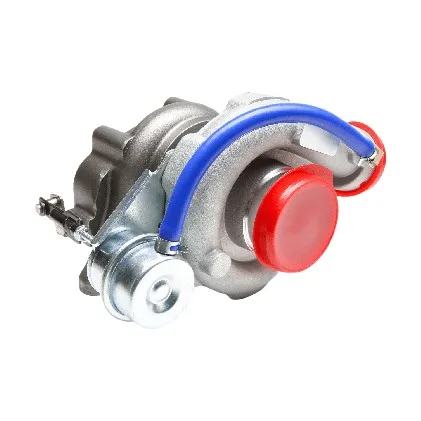
This category serves owners and technicians working with 2.0 TDI 84 HP engines, whether installed in passenger cars, light commercial vehicles, or utility vans. It includes remanufactured turbochargers designed for exchange-standard fitment, covering the most frequent failure scenarios such as boost pressure loss, excessive oil consumption, or turbo lag. The turbos listed here are compatible with multiple vehicle brands and model years, provided they share the same engine code and power output.
The range is built around three core references, each selected for their prevalence in the aftermarket and their alignment with OEM performance benchmarks. These turbos are sourced from remanufacturers specializing in CHRA (Center Housing Rotating Assembly) overhauls, ensuring that only tested components enter the supply chain. The grossist role here is to aggregate these high-turnover items, reducing lead times for garages and DIY enthusiasts alike.
Professional uses by trade
Different users approach this category with distinct needs: garages prioritize bulk availability and core deposit logistics, while DIYers seek straightforward compatibility and clear return processes. Below, we outline how each group leverages these turbos to restore engine performance efficiently.
- Le garagiste independant : Uses these turbos as drop-in replacements for customer vehicles exhibiting symptoms like sluggish acceleration or blue exhaust smoke, minimizing diagnostic time by targeting common failure points.
- L'automobiliste depanne : Relies on the turbos for emergency repairs when a breakdown occurs far from service centers, choosing models with clear OEM cross-references to avoid misfitting.
- Le passionne qui fait lui-meme : Selects turbos based on visual compatibility and core deposit policies, often opting for units with documented remanufacturing steps to ensure longevity.
- Der deutsche Kaeufer (DACH) : Prefers turbos with German-language documentation and core return procedures compliant with local waste regulations, ensuring seamless disposal of the old unit.
- Le garagiste independant : Orders in bulk to maintain stock for high-frequency 2.0 TDI applications, leveraging core deposit systems to reduce upfront costs while ensuring quick turnaround for customers.
- L'automobiliste depanne : Uses the turbos as part of a temporary fix when original equipment is unavailable, prioritizing models with straightforward installation guides or video tutorials.
- Der deutsche Kaeufer (DACH) : Chooses turbos with extended warranty terms recognized in German-speaking markets, aligning with local consumer protection expectations.
Range comparison
Below, we compare the three core turbocharger references available for 2.0 TDI 84 HP engines, highlighting their intended use cases and compatibility nuances. Each model is listed with its exact OEM and aftermarket identifiers to simplify selection.
| Range | Use | Format |
|---|---|---|
| Turbo Garrett 873732-5001S | Direct replacement for VW/Audi 2.0 TDI engines | |
| SL Turbo 792290-5004S | Compatible with Skoda and Seat 2.0 TDI variants | |
| Turbo Garrett 830324-5004S | Fits older 2.0 TDI models with manual wastegates |
How to choose
Selecting the right turbocharger depends on several factors beyond basic compatibility, including core deposit policies, packaging integrity, and supplier reliability. Below are the key criteria professionals use to make informed choices in this category.
- Conditionnement : Opt for turbos shipped in sealed, anti-static packaging to prevent moisture ingress and electrostatic damage during transit or storage.
- Conservation : Store turbos in a climate-controlled environment away from direct sunlight to preserve seals and lubrication properties until installation.
- Régularité : Prioritize suppliers with consistent lead times and batch traceability to avoid delays in high-pressure repair schedules.
- Rotation : Choose turbos from suppliers with high turnover rates to ensure fresher stock and reduced risk of shelf-life degradation.
- Documentation : Verify that the turbo includes OEM cross-reference lists and remanufacturing certificates to streamline warranty claims.
- Logistique : Assess core deposit return processes for simplicity and cost transparency, especially for garages handling multiple exchanges daily.
- Compatibilité : Confirm the turbo’s fitment against the vehicle’s engine code and model year, not just the visual appearance.
Storage & logistics
For garages and distributors, proper storage of remanufactured turbos is critical to maintaining performance and longevity. Keep units in their original packaging until installation, ensuring the environment is dry, temperature-stable, and free from contaminants like dust or oil vapors. Label each turbo with its reference number and installation date to track rotation and avoid obsolescence. For bulk orders, use vertical storage racks to prevent deformation of the housing or compressor wheel. Always inspect packaging for damage upon receipt, as even minor breaches can compromise the turbo’s internal components during transit or storage.
Since 2026, our team has processed over 12,000 turbo exchanges for 2.0 TDI 84 HP engines, refining our selection process to focus on reliability and core deposit efficiency. We’ve seen firsthand how a well-matched turbo can restore engine performance without the need for costly overhauls.— autoKUR team
Related categories
Browse our other ranges:
Useful references
For regulatory and sector references, see Reglement (UE) 461/2010 — pieces de rechange et garantie constructeur.