


Frequently asked questions
About this category
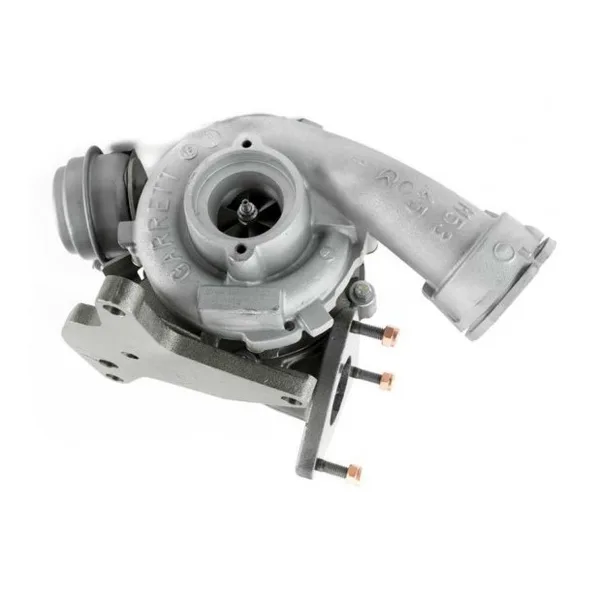
This category covers exchange turbochargers matched to the 2.5 TDI engine rated at 174 hp, a configuration found across several vans, pickups, and SUVs from that engine family. It serves three kinds of buyer: the independent garage confirming a reference before ordering, the owner already researching a diagnosis before booking work with a professional, and the hands-on enthusiast comparing OEM references against exchange equivalents. Every unit listed here is presented by vehicle, engine code, and power output, not by brand alone.
The range is built around exchange, or remanufacturing: a used core is returned under a deposit arrangement, and a rebuilt unit ships in its place, keeping the reference tied to the original engine application. Listings in this category are organized by chassis and engine code so a buyer can move from a vehicle search straight to a matching part, with variable geometry, cartridge, and CHRA references distinguished where the engine variant requires it.
Professional uses by trade
A 2.5 TDI 174 turbocharger reaches different buyers with different needs, from a garage confirming a reference mid-diagnosis to an owner comparing symptoms before deciding on repair. The list below groups typical situations by buyer type, from professional workshops to hands-on owners and DACH-market buyers researching compatibility ahead of a purchase.
- Le garagiste independant : Confirms the exact reference against the engine code and chassis before ordering, avoiding a returned part that does not match the vehicle.
- Le garagiste independant : Checks the core exchange terms and expected turnaround before committing a customer's vehicle to a scheduled repair slot.
- L'automobiliste depanne : Researches symptoms such as power loss, exhaust smoke, or a warning light to understand what a failing turbocharger looks like before booking a professional.
- L'automobiliste depanne : Compares the listed reference against the number stamped on the original part to confirm the replacement matches before a professional fits it.
- Le passionne qui fait lui-meme : Cross-references OEM numbers and known equivalents to understand which reference fits a specific engine code and production year range.
- Le passionne qui fait lui-meme : Reviews the geometry and cartridge details of the listed unit to understand how it differs from the original factory part.
- Der deutsche Kaeufer (DACH) : Reads the compatibility data by engine code and power output to confirm a match before ordering across the border.
Range comparison
The two references below cover the exchange turbochargers currently matched to this 2.5 TDI 174 configuration. Each is presented with its typical use case and the generic wholesale format it ships in, so the reference can be checked against a vehicle before ordering.
| Range | Use | Format |
|---|---|---|
| SL Turbo 760699-5006S | engine-specific turbo exchange | |
| SL Turbo 720931-5004S | engine-specific turbo exchange |
How to choose
Choosing between references in this category comes down to matching the part to the exact vehicle and engine variant, then confirming the exchange terms. The criteria below help narrow the search before placing an order.
- Confirm the engine code and power output stamped on the vehicle documentation match the reference listed here before ordering, since minor variants exist within the same engine family.
- Check the reference number against the part removed from the vehicle, or against the number provided by a professional during diagnosis, to avoid a mismatch.
- Review the core exchange conditions attached to the listing, since the used part is expected to be returned under the deposit arrangement described for that reference.
- Verify whether the vehicle's variant uses variable geometry, since this affects which cartridge or CHRA reference applies to the replacement unit.
- Consider the chassis and production year range associated with the listing, as the same engine code can appear across several vehicle generations with different applications.
- Compare the OEM reference and its listed equivalents to confirm the exchange unit corresponds to the original part before a professional proceeds with fitting.
Storage & logistics
Exchange turbochargers should be kept in their original packaging until they reach the vehicle, protected from dust and moisture that can affect the intake and compressor housings. For a garage managing several references at once, keeping units grouped by engine code and reference number reduces the risk of picking the wrong core for a scheduled repair. The returned core, once removed from the vehicle, should be packaged the same way it arrived, with any oil residue contained, ready for the exchange process described in the listing. Rotation matters more than volume: a reference tied to a common engine code moves faster than a rare variant, so garages ordering ahead should weigh both against their own repair schedule.
Since 2026, our team has focused on matching each reference to its exact engine code and application, because a 2.5 TDI 174 turbocharger only works if the compatibility data behind it is right, not just the part number.— autoKUR team
Related categories
Browse our other ranges:
Useful references
For regulatory and sector references, see Reglement (UE) 461/2010 — pieces de rechange et garantie constructeur.