


Frequently asked questions
About this category
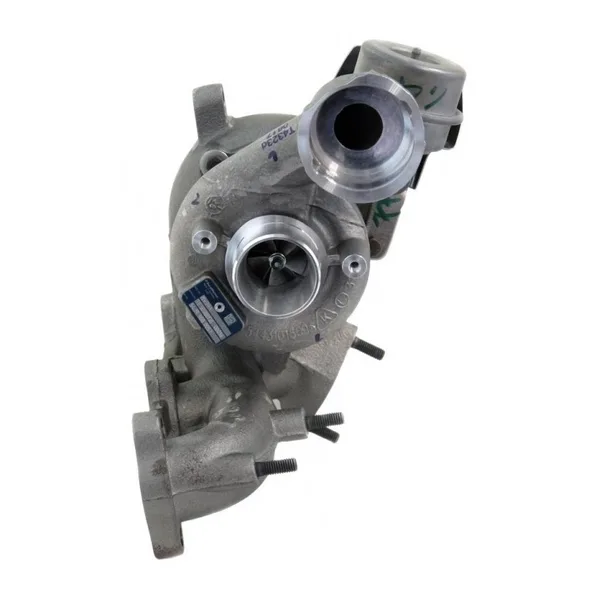
The 1.9 TDI 102 hp turbo category addresses a critical need for drivers and repair shops facing turbocharger failures in Volkswagen Group vehicles from the early 2000s. This range includes exchange standard turbos designed for direct replacement, eliminating the need for costly OEM purchases. Whether you're a mechanic sourcing parts for a fleet or a motorist restoring a classic TDI, the turbos in this section are engineered to restore original power levels while adhering to strict remanufacturing standards.
Each turbo in this category is supplied through a network of specialized wholesalers who ensure traceability and compliance with European remanufacturing protocols. The grossist model delivers consistent availability, with units pre-checked for geometric variable functionality and CHRA integrity. This approach bridges the gap between OEM pricing and aftermarket affordability, making high-quality turbos accessible to both professionals and private buyers.
Professional uses by trade
Different users approach the 1.9 TDI 102 hp turbo category with distinct priorities, from workshop efficiency to personal project budgets. Garages prioritize bulk availability and quick turnaround, while DIYers seek clear compatibility notes and return policies for used cores. German buyers, in particular, value transparent sourcing and adherence to remanufacturing norms.
- Independent garage: Source turbos in bulk to minimize downtime and maintain consistent stock levels for multiple TDI models.
- Stranded motorist: Order a single exchange standard turbo for immediate replacement, avoiding costly dealership delays.
- DIY enthusiast: Select a turbo with clear OEM reference matching to ensure plug-and-play installation without modifications.
- German buyer (DACH): Prefer turbos with documented remanufacturing processes and core deposit options for environmental compliance.
- Fleet manager: Purchase in wholesale quantities to standardize turbo replacements across company vehicles with identical 1.9 TDI engines.
- Classic car restorer: Choose a turbo with verified compatibility to original specifications for authenticity in restoration projects.
- Workshop owner: Stock exchange standard turbos to offer customers a cost-effective alternative to new OEM units.
Range comparison
The following turbos are specifically engineered for the 1.9 TDI 102 hp motorization, with each unit tested for geometric variable control and CHRA durability. These options represent the most common exchange standard solutions available for this engine configuration.
| Range | Use | Format |
|---|---|---|
| Turbo BorgWarner - KKK 5439 988 0058 | Direct replacement for high-mileage TDI engines | |
| SL Turbo 5439 988 0057 | Budget-friendly option for standard repairs |
How to choose
Selecting the right turbo for a 1.9 TDI 102 hp requires attention to compatibility, remanufacturing quality, and return logistics. Professionals should verify OEM references and core deposit policies, while private buyers must ensure the turbo matches their vehicle’s exact motorization year.
- Verify the OEM reference number to confirm exact compatibility with your 1.9 TDI 102 hp motorization and model year.
- Check for geometric variable turbocharger (VGT) functionality if your engine uses this advanced system for optimal performance.
- Confirm the core deposit policy to understand return logistics for your used turbo, ensuring a smooth exchange process.
- Assess the remanufacturing process details, focusing on CHRA (Center Housing Rotating Assembly) overhaul standards.
- Prioritize turbos with documented testing for power restoration and smoke reduction in TDI applications.
- Evaluate packaging options for bulk purchases if you are a workshop needing multiple units for inventory.
- Review the warranty terms, which typically cover performance consistency rather than absolute delivers.
Storage & logistics
For B2B storage, exchange standard turbos should be kept in a climate-controlled environment to prevent moisture damage to the CHRA and variable geometry components. Units must be stored upright to avoid oil seal deformation, with desiccant packs included in packaging to mitigate humidity exposure. Regular stock rotation ensures fresher units are dispatched first, aligning with the remanufacturing date stamps on each turbo. Wholesalers should maintain a dedicated section for TDI turbos, separated from other motorizations to prevent cross-contamination of references.
With over a decade in the turbo exchange standard market, our team has refined the process of matching turbos to 1.9 TDI 102 hp applications. We focus on delivering units that restore original performance without the premium of new OEM parts, backed by transparent sourcing and remanufacturing standards.— autoKUR team
Related categories
Browse our other ranges:
Useful references
For regulatory and sector references, see Reglement (UE) 461/2010 — pieces de rechange et garantie constructeur.