

Frequently asked questions
About this category
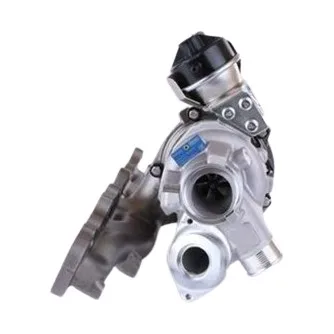
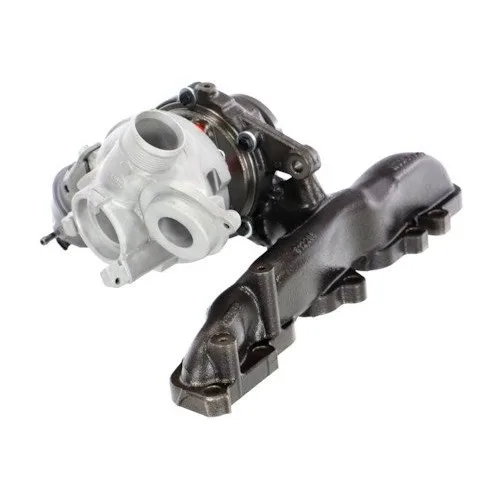
The 2.0 TDI 184 hp turbocharger category addresses a common failure point in diesel engines, where loss of power, excessive smoke, or whistling noises signal a worn turbo. This range includes exchange-standard turbos designed for direct fitment, covering vehicles like the VW Passat, Audi A4, and Skoda Superb. Both garages and private owners rely on these remanufactured units to avoid costly OEM replacements while maintaining performance.
This range is built on partnerships with leading remanufacturers who specialize in CHRA (Center Housing Rotating Assembly) overhauls, ensuring each turbo meets OEM torque and boost specifications. The grossist role simplifies procurement for workshops by consolidating compatible references under one roof, reducing lead times and administrative overhead.
Professional uses by trade
Different users approach turbo selection with distinct priorities: garages need bulk availability and traceable cores, while DIYers seek clear compatibility guides and return policies. Private owners often balance cost with immediate availability, while German buyers prioritize precision and documentation.
- Le garagiste independant : Replace a failing turbo on a 2012 VW Passat 2.0 TDI 184 hp with a remanufactured unit, leveraging bulk pricing and core deposit options for cost efficiency.
- L'automobiliste depanne : Diagnose a sudden power loss in a 2010 Audi A4 2.0 TDI by identifying a faulty turbo cartridge, then order an exchange-standard replacement for quick installation.
- Le passionne qui fait lui-meme : Source a turbo for a 2009 Skoda Superb 2.0 TDI 184 hp, ensuring it matches the OEM geometry variable specs for seamless DIY replacement.
- Der deutsche Kaeufer (DACH) : Purchase a turbo for a VW Tiguan 2.0 TDI 184 hp from a supplier offering German-language documentation and VAT-compliant invoicing for seamless cross-border transactions.
- Le garagiste independant : Use a turbo with a documented CHRA overhaul history to justify a repair quote to a client, ensuring transparency in the exchange-standard process.
- L'automobiliste depanne : Verify turbo compatibility by cross-referencing the engine code (e.g., CFFB) and model year before ordering, avoiding mismatched parts in a roadside repair scenario.
- Der deutsche Kaeufer (DACH) : Opt for a turbo with a core deposit system to simplify the return of the old unit, aligning with local waste disposal regulations and reducing logistical hassle.
Range comparison
Below are the exchange-standard turbos available for the 2.0 TDI 184 hp category, each listed with its OEM reference and key features for direct comparison.
| Range | Use | Format |
|---|---|---|
| Turbo MAHLE 030TC11002000 | VW/Audi/Skoda remanufactured | |
| SL Turbo 821866-5009S | high-volume workshop supply |
How to choose
Selecting the right turbo depends on several professional-grade factors, from packaging to post-sale support. These criteria ensure the part meets workshop standards and client expectations.
- Verify the turbo’s CHRA overhaul documentation to confirm it meets OEM boost and torque specifications for the 2.0 TDI 184 hp engine.
- Prioritize turbos with geometry variable calibration matching the original unit to avoid performance discrepancies after installation.
- Choose packaging that protects the turbo during transit, especially for bulk orders where handling and storage conditions vary.
- Opt for suppliers offering core deposit systems to streamline the return of used turbos, reducing waste and administrative burden.
- Select turbos with clear OEM reference cross-referencing to avoid mismatches in multi-brand workshops.
- Ensure the turbo’s condition (e.g., generalüberholt) aligns with the workshop’s quality standards for exchange-standard parts.
- Favor suppliers with consistent stock rotation to minimize lead times for urgent repairs in high-demand models.
Storage & logistics
For B2B storage, turbos should be kept in a climate-controlled environment away from moisture and direct sunlight to preserve the CHRA’s integrity. Palletized units require stable stacking to prevent damage, while individual boxes benefit from vertical storage to avoid pressure on seals. Regular inventory audits ensure FIFO (first-in, first-out) rotation, critical for maintaining part freshness and traceability. Warehouses should also implement a core deposit tracking system to manage returns efficiently, linking each used turbo to its replacement order for seamless logistics.
Since 2026, our team has processed hundreds of 2.0 TDI 184 hp turbo orders, consistently sourcing units that meet the strictest OEM specifications without hidden defects or delays in delivery.— autoKUR team
Related categories
Browse our other ranges:
Useful references
For regulatory and sector references, see Reglement (UE) 461/2010 — pieces de rechange et garantie constructeur.