

Frequently asked questions
About this category
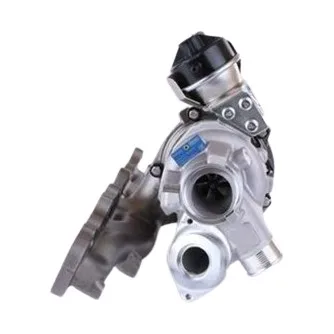
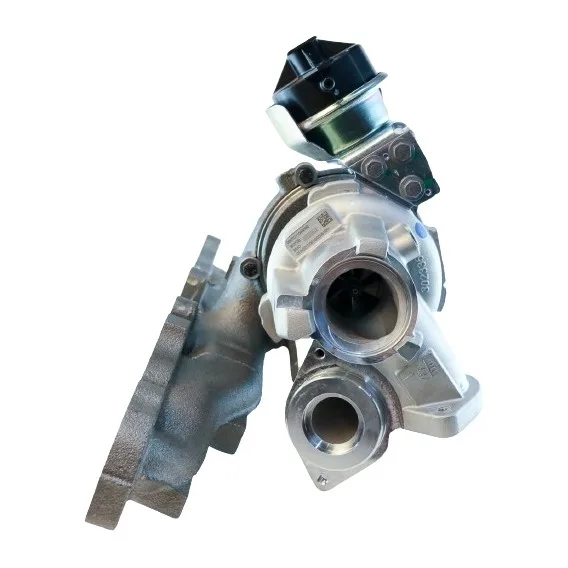
The 2.0 TDI 150 hp turbo exchange standard category addresses a critical need for diesel engine owners and repair professionals: reliable, cost-effective turbocharger solutions. Whether you are a mechanic sourcing parts for a client’s vehicle or an enthusiast performing your own repairs, this range provides turbos that restore engine efficiency without compromising quality. Each product is designed for direct replacement, compatible with the exact motorization, power output, and model years specified.
This range is built around a carefully curated selection of remanufactured turbos, selected for their durability and performance consistency. The turbos undergo rigorous testing to ensure they meet the same tolerances as original equipment, while the wholesale pricing structure supports independent garages and DIY mechanics in maintaining competitive service rates.
Professional uses by trade
Different users approach turbo replacement with distinct priorities: garages prioritize bulk availability and fast turnaround, while DIY enthusiasts value clear compatibility and straightforward installation. This section outlines how each group benefits from this category.
- Le garagiste independant : Replace a failing turbo on a 2012 Volkswagen Passat 2.0 TDI 150 hp with a remanufactured unit that fits without modifications.
- L'automobiliste depanne : Order a turbo for a 2015 Audi A4 2.0 TDI 150 hp after noticing excessive blue smoke and reduced acceleration.
- Le passionne qui fait lui-meme : Source a turbo for a 2010 Skoda Octavia 2.0 TDI 150 hp to avoid high dealership labor costs.
- Der deutsche Kaeufer (DACH) : Purchase a turbo for a 2013 Seat Leon 2.0 TDI 150 hp with German-language packaging and documentation.
- Le garagiste independant : Use turbos from this range to reduce inventory costs while maintaining a 90-day rotation cycle.
- L'automobiliste depanne : Find a turbo that matches the exact OEM reference for a 2014 Seat Exeo 2.0 TDI 150 hp without compatibility guesswork.
- Der deutsche Kaeufer (DACH) : Access turbos with clear installation instructions and warranty terms in German for local workshops.
Range comparison
Below, you will find the exact turbo models available for the 2.0 TDI 150 hp category, each listed with its reference, intended use, and packaging format to simplify selection.
| Range | Use | Format |
|---|---|---|
| Turbo MAHLE 030TC11002000 | Volkswagen, Audi, Skoda, Seat | |
| Turbo MAHLE 030TC11004000 | Volkswagen, Audi, Skoda, Seat |
How to choose
Selecting the right turbo for a 2.0 TDI 150 hp engine requires attention to compatibility, condition, and packaging. This section highlights the key factors that distinguish reliable options from substandard choices.
- Verify the turbo’s compatibility with your vehicle’s exact motorization, power output, and model year to avoid mismatches.
- Inspect the turbo’s condition for signs of wear or damage, such as cracked housings or corroded shafts, which indicate poor remanufacturing quality.
- Choose turbos packaged in sturdy, stackable boxes to protect internal components during transit and storage in a workshop environment.
- Prioritize turbos from suppliers with a consistent track record in diesel engine remanufacturing to ensure long-term reliability.
- Select units with clear documentation, including OEM reference numbers and installation guidelines, to streamline the replacement process.
- Opt for turbos that include a core deposit option, allowing you to return the old unit for recycling and reduce upfront costs.
- Ensure the turbo’s geometry matches the original specifications to maintain engine efficiency and prevent premature failure.
Storage & logistics
For garages and workshops, storing turbos in a climate-controlled environment away from direct sunlight and moisture is essential to preserve their condition. Use labeled shelving to organize turbos by vehicle model and motorization, ensuring quick access during busy repair schedules. Regularly rotate stock to prevent units from sitting unused for extended periods, which can lead to seal degradation or internal corrosion. Bulk packaging should be opened carefully to avoid damaging the turbo’s internal components, and any unused turbos should be resealed in their original packaging until needed.
Since 2026, our team has sourced turbos for the 2.0 TDI 150 hp category from suppliers who specialize in diesel engine remanufacturing, ensuring each unit meets the same performance standards as new parts.— autoKUR team
Related categories
Browse our other ranges:
Useful references
For regulatory and sector references, see Reglement (UE) 461/2010 — pieces de rechange et garantie constructeur.