


Frequently asked questions
About this category
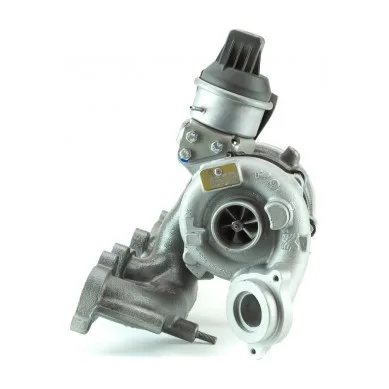
The 2.0 TDI 170 hp turbo exchange standard category serves owners and technicians dealing with Volkswagen Group engines, particularly those found in Audi, Seat, Skoda, and Volkswagen models. This section focuses exclusively on remanufactured turbocompressors designed for direct fitment, covering variable geometry and fixed-geometry variants for engines like the EA897 and EA288 platforms.
Each turbo in this range is sourced from a network of certified remanufacturers who adhere to strict quality control processes, including core validation, CHRA refurbishment, and dynamic balancing. The grossist role ensures availability across multiple OEM references, simplifying procurement for workshops and reducing downtime for DIY repairs.
Professional uses by trade
Different user profiles approach the 2.0 TDI 170 hp turbo exchange standard category with distinct priorities: garages prioritize bulk availability and traceability, stranded motorists seek immediate solutions, DIY enthusiasts value compatibility clarity, and German buyers expect precision-engineered replacements.
- Independent garages: Source remanufactured turbos with OEM-grade calibration to minimize post-installation adjustments and warranty claims.
- Stranded motorists: Replace a failing turbo on the roadside or in a driveway with a direct-fit exchange standard unit, avoiding costly towing.
- DIY enthusiasts: Purchase a pre-verified turbo for home installation, backed by clear compatibility notes and return policies for used cores.
- German buyers (DACH): Select turbos engineered for EA897 and EA288 platforms, with documentation in German and compliance with local automotive standards.
- Workshop chains: Stock multiple references to cover regional vehicle fleets, reducing lead times for repeat customers and emergency repairs.
- Classic car restorers: Find turbos for older 2.0 TDI models where OEM parts are scarce, ensuring long-term drivability without compromising performance.
- Fleet managers: Procure exchange standard turbos in bulk to maintain vehicle uptime across commercial diesel fleets, prioritizing reliability over cost.
Range comparison
Below, two exchange standard turbos meet the exacting requirements of the 2.0 TDI 170 hp platform, each validated for direct replacement and remanufactured to original specifications.
| Range | Use | Format |
|---|---|---|
| SL Turbo 785448-5005S | Direct fit for EA897 2.0 TDI 170 hp | |
| SL Turbo 5303 988 0207 | Variable geometry turbo for EA288 platforms |
How to choose
Selecting the right turbo for a 2.0 TDI 170 hp engine requires attention to core compatibility, geometry type, and packaging integrity, as well as the workshop’s ability to handle core returns efficiently.
- Verify the turbo’s CHRA condition and variable geometry calibration against the engine’s OEM specifications to ensure seamless integration.
- Check the packaging for protective seals and anti-static measures to prevent damage during transit or storage in a workshop environment.
- Prioritize turbos with documented remanufacturing processes, including core validation and dynamic balancing, to deliver consistent performance.
- Assess the core deposit policy to avoid unexpected fees and streamline the return of the used turbo, reducing operational friction.
- Confirm the turbo’s compatibility with the vehicle’s model year and power output, as minor variations exist across generations of the 2.0 TDI platform.
- Evaluate the supplier’s rotation policy for remanufactured units to ensure fresh stock and minimize the risk of receiving outdated or improperly stored turbos.
- For variable geometry turbos, inspect the actuator and vane mechanisms for signs of wear or corrosion, as these components are critical to long-term reliability.
Storage & logistics
Storing remanufactured turbos for the 2.0 TDI 170 hp platform requires a climate-controlled environment with stable humidity levels to prevent moisture ingress or corrosion of metal components. Units should be stored in their original packaging or on anti-static shelves, away from direct sunlight and sources of vibration. For workshops, implementing a first-in-first-out (FIFO) system ensures that older stock is used before newer deliveries, maintaining optimal performance. Core deposits should be tracked separately to avoid mixing with active inventory, and all turbos must be inspected for damage upon receipt to address any transit-related issues promptly.
With over a decade of experience in turbo exchange standards, our team has refined the process of matching remanufactured units to the exacting demands of the 2.0 TDI 170 hp platform, ensuring that every turbo we supply meets the performance and reliability standards expected by professionals and enthusiasts alike.— autoKUR team
Related categories
Browse our other ranges:
Useful references
For regulatory and sector references, see Reglement (UE) 461/2010 — pieces de rechange et garantie constructeur.