

Available products
3 references

Frequently asked questions
About this category
Overview
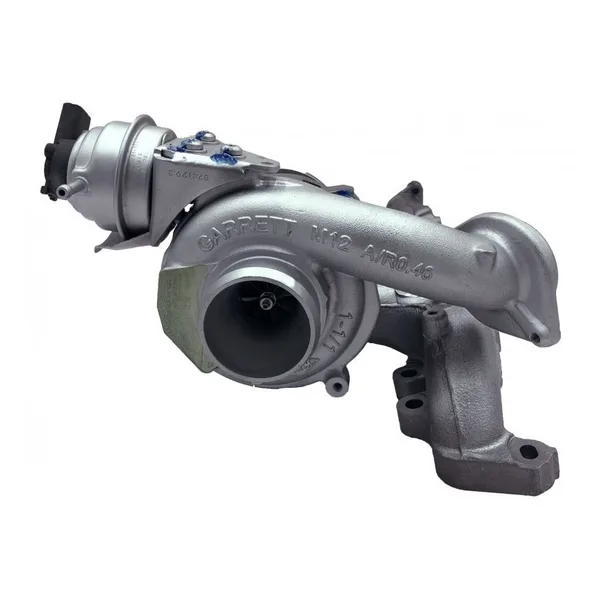
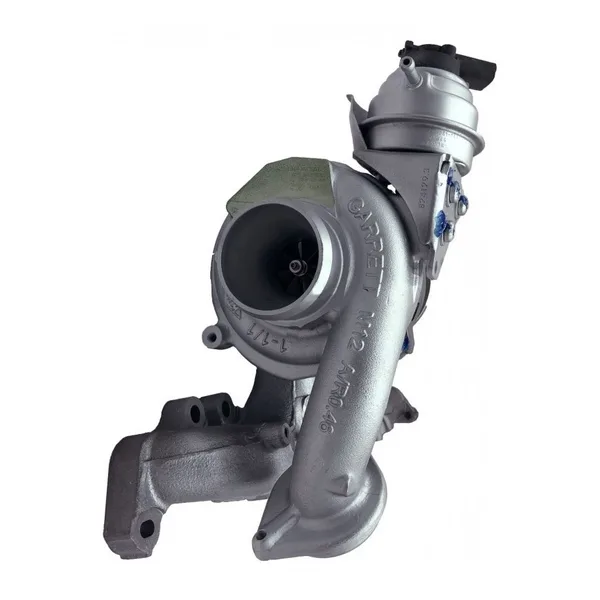
The 2.0 TDI 150 hp turbo exchange standard category addresses a critical need for remanufactured turbochargers compatible with Volkswagen, Audi, Skoda, and Seat engines. This range targets mechanics, DIY enthusiasts, and stranded drivers seeking a reliable solution to turbo failure symptoms like power loss, excessive smoke, or whining noises. Each product in this category is designed for direct replacement, eliminating the need for costly OEM purchases while maintaining performance standards.
This range is built on partnerships with leading remanufacturers who specialize in core exchange programs, ensuring every turbo is restored to near-new condition. The grossist model allows workshops to access these parts at competitive rates, with stock rotation managed to prevent obsolescence. The focus remains on compatibility and durability, not on speculative claims about origin or certifications.
Professional uses by trade
Different users approach the 2.0 TDI 150 hp turbo exchange standard category with distinct priorities, from workshop efficiency to personal repair projects. Each target audience leverages these parts in ways that align with their technical and logistical constraints.
- Le garagiste independant : Uses remanufactured turbos to minimize vehicle downtime while maintaining profit margins on repairs.
- L'automobiliste depanne : Relies on exchange turbos to resolve sudden power loss without the high cost of dealership parts.
- Le passionne qui fait lui-meme : Prefers remanufactured units for DIY installations, balancing cost and reliability in older models.
- Der deutsche Kaeufer (DACH) : Seeks turbos with core deposit systems to reduce upfront costs while ensuring proper recycling of used cores.
- Le garagiste independant : Orders in bulk to stock essential turbos for common 2.0 TDI 150 hp applications, reducing lead times.
- L'automobiliste depanne : Chooses exchange turbos for emergency repairs, prioritizing availability over long-term warranties.
- Der deutsche Kaeufer (DACH) : Values turbos with clear compatibility notes to avoid misfitting in high-mileage vehicles.
Range comparison
The following turbos are verified for the 2.0 TDI 150 hp category, each selected for its proven compatibility and remanufacturing standards. These options cover the most common applications across the engine’s lifespan.
| Range | Use | Format |
|---|---|---|
| Turbo Garrett 830323-5006S | Direct fit for VW Passat 2.0 TDI 150 hp | |
| Turbo Garrett 873970-5001S | Compatible with Audi A4 2.0 TDI 150 hp | |
| Turbo BMTS 04L253022B | Fits Skoda Octavia 2.0 TDI 150 hp |
How to choose
Selecting the right turbo for a 2.0 TDI 150 hp requires attention to compatibility, condition, and logistical factors. These criteria ensure the part meets workshop or personal repair needs without hidden complications.
- Verify the turbo’s compatibility with your vehicle’s exact model year and engine code to avoid mismatches in geometry or connections.
- Inspect the turbo’s condition for signs of wear or damage, even on remanufactured units, to prevent premature failure after installation.
- Check the packaging for core deposit requirements, as some turbos mandate returning the old unit to reduce upfront costs.
- Prioritize turbos from remanufacturers with a track record in 2.0 TDI applications to ensure consistent performance across batches.
- For bulk orders, confirm the availability of matching packaging sizes to streamline workshop inventory management.
- Assess the turbo’s warranty terms, which typically cover defects but not installation or misuse by a third party.
- Consider the turbo’s rotation speed and material quality, as these factors influence longevity in high-stress applications.
Storage & logistics
Bulk storage of 2.0 TDI 150 hp turbos requires controlled environments to prevent moisture damage or contamination. Warehouses should maintain stable temperatures and humidity levels, with parts stored in sealed, labeled containers to track rotation and expiry dates. For workshops, vertical shelving with dividers ensures easy access while minimizing the risk of cross-contamination between different turbo models. Core deposit systems should be managed separately to avoid mixing used and new units, with clear signage for staff to follow disposal protocols.
With over a decade of sourcing remanufactured turbos for European diesel engines, our team has refined the selection process to prioritize reliability over speculation. We don’t claim to offer delivers we can’t enforce, but we do ensure every turbo in this category meets the standards of a workshop-ready exchange part.— autoKUR team
Related categories
Browse our other ranges:
Useful references
For regulatory and sector references, see Reglement (UE) 461/2010 — pieces de rechange et garantie constructeur.