


Frequently asked questions
About this category
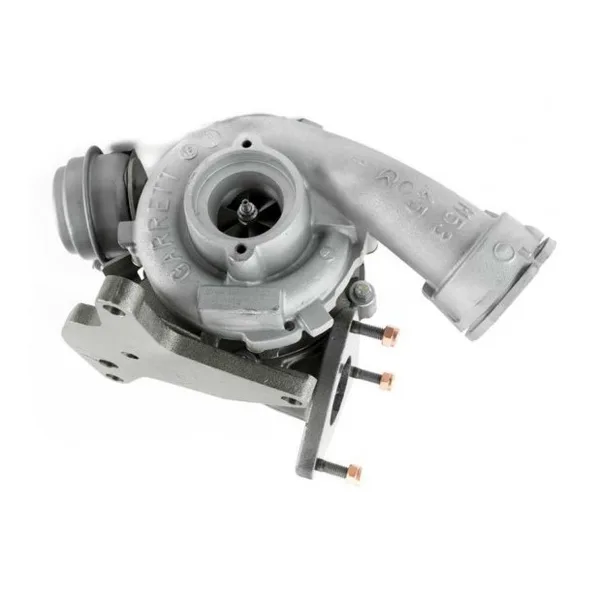
The 2.5 TDI 174 hp turbocharger category addresses a common need among European diesel vehicles from the early 2000s to mid-2010s, where turbo failure often leads to loss of power, excessive smoke, or a limp mode. This range includes remanufactured units designed to restore original performance levels, targeting both professional mechanics who require reliable parts for repairs and DIY enthusiasts seeking cost-effective solutions.
Each turbo in this category is selected from a network of remanufacturers specializing in diesel applications, ensuring that the core components—such as the CHRA (Center Housing Rotating Assembly) and variable geometry mechanisms—are restored to factory tolerances. The grossist role here is to aggregate these high-quality remanufactured parts under a single catalog, simplifying sourcing for workshops and private buyers alike.
Professional uses by trade
Different users approach this category with distinct priorities: garages need fast, accurate part matching for customer vehicles, while DIYers focus on compatibility and ease of installation, and German buyers often seek parts with clear documentation for warranty purposes.
- Le garagiste independant : Uses these turbos to replace faulty units in customer vehicles, ensuring the repair aligns with OEM performance standards without the expense of a new turbo.
- L'automobiliste depanne : Seeks a remanufactured turbo to resolve sudden power loss or excessive exhaust smoke, prioritizing compatibility with their exact engine code.
- Le passionne qui fait lui-meme : Prefers exchange standard turbos for their balance of cost and reliability, often pairing the purchase with a core deposit to offset expenses.
- Der deutsche Kaeufer (DACH) : Values turbos with documented remanufacturing processes, clear OEM equivalences, and support for warranty claims through professional documentation.
- Le garagiste independant : Relies on these turbos for vehicles with high mileage, where turbo wear is a common failure point and exchange standard parts offer a pragmatic solution.
- L'automobiliste depanne : Chooses exchange standard turbos to avoid the downtime of a full turbo replacement, opting for a tested and remanufactured alternative.
- Der deutsche Kaeufer (DACH) : Looks for turbos that include a core deposit system, allowing them to return the old unit efficiently while keeping costs predictable.
Range comparison
Below, you will find the two reference turbos available for the 2.5 TDI 174 hp category, each listed with its exact OEM and aftermarket equivalences for precise matching.
| Range | Use | Format |
|---|---|---|
| SL Turbo 760699-5006S | Direct fit for VW/Audi 2.5 TDI | |
| SL Turbo 720931-5004S | Compatible with Skoda/Seat 2.5 TDI |
How to choose
Selecting the right turbo for your 2.5 TDI 174 hp engine requires attention to several key factors, from engine code verification to the condition of the returned core.
- Verify the engine code stamped on your vehicle’s block or listed in the service manual to ensure the turbo’s compatibility with your specific motorization.
- Check the turbo’s variable geometry mechanism for signs of wear or carbon buildup, as this directly impacts performance restoration in diesel applications.
- Confirm the packaging includes a core deposit label, allowing you to return the old turbo efficiently and reduce upfront costs.
- Prioritize turbos with documented remanufacturing processes, including CHRA balancing and seal integrity checks, for consistent quality.
- For professional use, select turbos supplied in bulk packaging to streamline inventory management and reduce per-unit costs in high-volume repairs.
- Ensure the turbo’s OEM reference matches your vehicle’s parts catalog, avoiding mismatches that could lead to installation issues or reduced lifespan.
- For DIY installers, choose turbos with clear installation guides and torque specifications to simplify the replacement process and avoid common pitfalls.
Storage & logistics
B2B storage for these turbos requires controlled conditions to preserve the remanufactured components, including temperature regulation to prevent seal degradation and humidity control to avoid corrosion on metal surfaces. Units should be stored in their original packaging until dispatch, with barcodes or labels intact for traceability. For workshops, organizing turbos by engine code and vehicle brand in dedicated shelving units minimizes retrieval time and reduces the risk of misplacement during busy repair schedules.
With over a decade of experience in sourcing remanufactured turbos for European diesel engines, our team ensures every 2.5 TDI 174 hp unit meets strict compatibility and quality standards before reaching your workshop or garage.— autoKUR team
Related categories
Browse our other ranges:
Useful references
For regulatory and sector references, see Reglement (UE) 461/2010 — pieces de rechange et garantie constructeur.