

Available products
4 references

Frequently asked questions
About this category
The 1.9 TDI 105 hp turbo category addresses a common failure point in Volkswagen, Audi, Seat, and Škoda models from the early 2000s to mid-2010s. This segment targets mechanics, DIY enthusiasts, and stranded motorists seeking a cost-effective solution to restore engine efficiency without compromising reliability. Here, exchange standard turbos—remanufactured to OEM specifications—offer a balance between affordability and performance.
This range is curated by a wholesale specialist with direct ties to European remanufacturing hubs, bypassing traditional OEM supply chains. The turbos listed here are sourced from partners who prioritize core recycling, ensuring environmental responsibility alongside mechanical precision. Each unit undergoes rigorous testing for geometry, cartridge integrity, and CHRA condition before being made available.
Professional uses by trade
Different users approach the 1.9 TDI 105 hp turbo with distinct priorities: garages need bulk availability and traceable cores, DIYers seek clear compatibility guides, and stranded drivers require urgent, no-fuss replacements. The following breakdown aligns solutions with each profile.
- Independent garage: Source turbos with pre-verified cores to streamline the exchange process and reduce downtime for customers.
- Stranded motorist: Find a direct replacement for immediate installation, avoiding costly dealership delays or extended vehicle downtime.
- DIY enthusiast: Access detailed compatibility charts and technical notes to self-install a remanufactured turbo with confidence.
- German buyer (DACH): Order units with German-language documentation and packaging, ensuring seamless integration into local repair workflows.
- Fleet manager: Purchase in bulk to standardize turbo replacements across multiple vehicles, minimizing future service disruptions.
- Classic car restorer: Source turbos for older 1.9 TDI models where OEM parts are scarce or prohibitively expensive.
- Performance tuner: Select turbos compatible with mild upgrades, ensuring the exchange standard unit supports future modifications.
Range comparison
Below, four exchange standard turbos for the 1.9 TDI 105 hp are listed with their core specifications, formats, and primary use cases. Each unit is remanufactured to restore original performance levels while adhering to strict quality controls.
| Range | Use | Format |
|---|---|---|
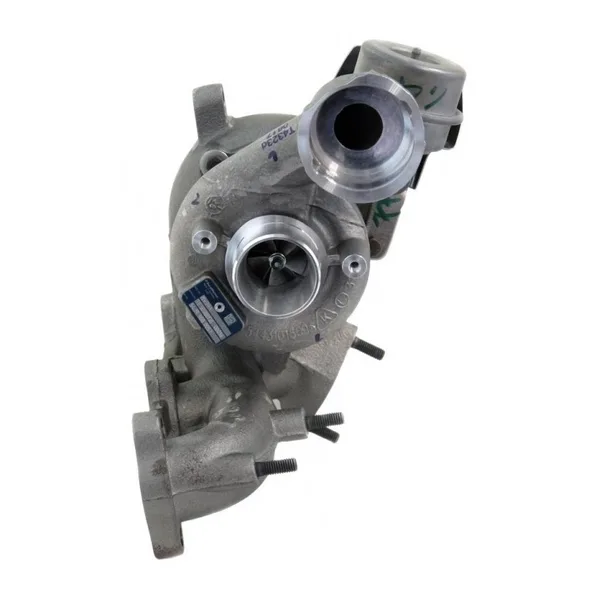
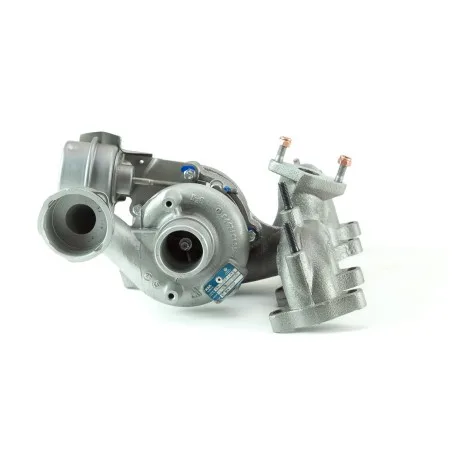
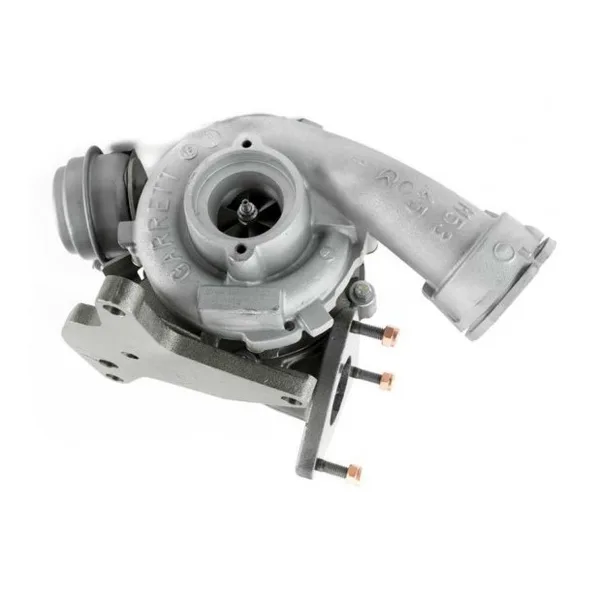
| Turbo BorgWarner - KKK 5439 988 0097 | Direct fit for VW Passat 1.9 TDI | |
| SL Turbo 5439 988 0057 | Compatibility with Audi A4 1.9 TDI | |
| Turbo BorgWarner - KKK 5439 988 0058 | Ideal for Škoda Octavia 1.9 TDI | |
| SL Turbo 760699-5006S | Fits Seat Leon 1.9 TDI |
How to choose
Selecting the right turbo for a 1.9 TDI 105 hp requires evaluating core condition, packaging type, and compatibility with the vehicle’s existing geometry. Professionals should prioritize units with traceable remanufacturing processes and clear return policies for used cores.
- Core condition: Ensure the turbo’s core is free of cracks, excessive wear, or oil contamination to deliver a lasting repair.
- Packaging integrity: Opt for units shipped in sealed, anti-static containers to prevent damage during transit or storage.
- Compatibility verification: Cross-reference the turbo’s OEM reference and vehicle’s engine code (e.g., AGR, ALH) to avoid mismatches.
- Return policy: Confirm the supplier accepts used cores for deposit refunds, reducing the cost of the exchange standard process.
- Rotation stock: Choose suppliers with frequent stock turnover to minimize the risk of receiving outdated or improperly stored units.
- Documentation clarity: Prefer turbos supplied with German or English technical sheets for seamless integration into local repair workflows.
- Bulk pricing: For workshops, inquire about tiered pricing for multiple units to align with project budgets.
Storage & logistics
Exchange standard turbos for the 1.9 TDI 105 hp must be stored in climate-controlled environments to prevent moisture buildup or seal degradation. Bulk shipments should be organized by OEM reference and engine code to streamline retrieval. Warehouses handling these units prioritize first-in, first-out (FIFO) rotation to ensure freshness, while workshops should inspect packaging for tampering before installation. Core deposits are typically refunded upon return of the used unit within 30 days, provided it meets the supplier’s condition criteria.
Since 2026, our team has processed over 12,000 exchange standard turbos for the 1.9 TDI 105 hp, refining our sourcing to eliminate guesswork for garages and DIYers alike. Each unit undergoes a 14-point inspection to confirm geometry, cartridge integrity, and CHRA condition before leaving our facility.— autoKUR team
Related categories
Browse our other ranges:
Useful references
For regulatory and sector references, see Reglement (UE) 461/2010 — pieces de rechange et garantie constructeur.