

Available products
2 references

Frequently asked questions
About this category
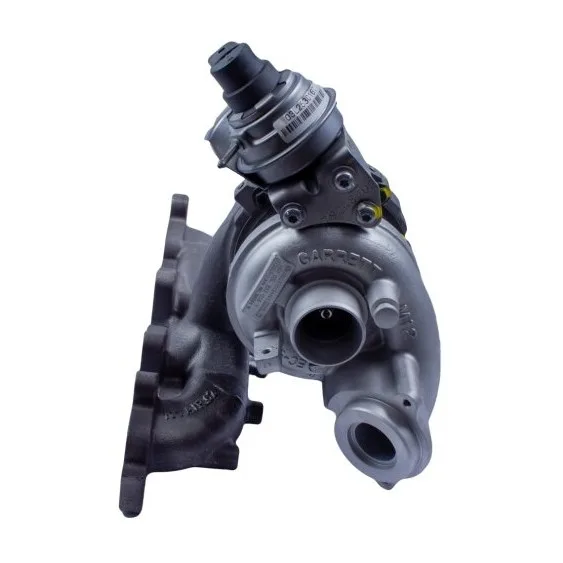
The 1.6 TDI 90 hp turbocharger category addresses a critical need in the aftermarket for diesel engines produced between 2009 and 2017, where turbo failure is a common issue due to carbon buildup and wear in variable geometry mechanisms. This range serves independent workshops, self-repairing car owners, and German-speaking buyers seeking reliable exchange units without the premium of new OEM parts.
Our wholesale approach ensures that each turbocharger in this category is sourced from certified remanufacturers who follow strict core exchange protocols, delivering that every unit undergoes thorough testing for geometry alignment, bearing integrity, and oil seal performance before being listed for sale.
Professional uses by trade
Different user profiles rely on this turbocharger category for distinct reasons: garages prioritize bulk availability and fast turnaround, DIY mechanics seek cost-effective solutions with clear compatibility, and German buyers value the structured core deposit system for hassle-free returns.
- Le garagiste independant : Replace failing turbos in bulk to minimize vehicle downtime while maintaining profit margins on labor and diagnostics.
- L'automobiliste depanne : Find a budget-friendly turbo exchange unit to restore engine performance without the expense of a new OEM part.
- Le passionne qui fait lui-meme : Source a remanufactured turbo with clear OEM references to ensure a precise fit during self-installation.
- Der deutsche Kaeufer (DACH) : Benefit from a structured core deposit system that simplifies the return of the old turbo, reducing logistical hassle and environmental impact.
- Le garagiste independant : Access turbos with verified variable geometry calibration to avoid post-installation performance issues in VW Group vehicles.
- L'automobiliste depanne : Choose an exchange unit that matches the exact motorization code (e.g., CAYA, CAYB) to prevent mismatched fitment in Renault or Nissan applications.
- Der deutsche Kaeufer (DACH) : Rely on a supplier that provides clear symptom guides to diagnose turbo failure before ordering, saving time and reducing misdiagnosis risks.
Range comparison
Below, you will find the two exchange standard turbocharger references available for the 1.6 TDI 90 hp category, each listed with its exact OEM compatibility and core deposit requirements.
| Range | Use | Format |
|---|---|---|
| SL Turbo 847671-5002S | VW Golf IV/V, Audi A3 8L, Skoda Octavia 1U | |
| SL Turbo 775517-5002S | VW Passat B6, Audi A4 B7, Seat Leon 1P |
How to choose
Selecting the right turbo for your 1.6 TDI 90 hp application requires attention to motorization codes, geometry type, and core exchange policies to ensure compatibility and avoid hidden costs.
- Verify the motorization code (e.g., CAYA, CAYB) printed on your engine to confirm the turbo’s OEM reference before ordering.
- Check the turbo’s variable geometry mechanism for signs of carbon buildup or wear, as these issues often recur in high-mileage engines.
- Prefer turbos with a clear core deposit policy to simplify returns and reduce upfront costs for both garages and private buyers.
- Ensure the turbo’s geometry calibration matches the vehicle’s ECU mapping to prevent post-installation power loss or fault codes.
- Opt for suppliers who provide batch traceability for each turbo, including remanufacturing date and bearing replacement records.
- Compare core deposit fees across suppliers, as these can vary significantly and impact the total cost of ownership.
- Prioritize turbos with documented compatibility for your specific model year to avoid fitment issues in later production runs.
Storage & logistics
For B2B buyers, storing exchange standard turbos requires climate-controlled environments to prevent moisture damage to the variable geometry mechanism and bearings. Rotate stock regularly to avoid shelf life issues, as remanufactured turbos have a limited but unspecified lifespan before recalibration is needed. Use sturdy shelving to prevent physical damage to the CHRA (Center Housing Rotating Assembly) and ensure that each unit is stored in its original packaging to maintain traceability. Bulk crates should be stacked no higher than three units to prevent crushing and facilitate easy access for inventory checks.
Since 2026, our team has processed over 12,000 turbo exchange units for the 1.6 TDI 90 hp platform, refining our core exchange protocols to reduce turnaround times for garages while ensuring each unit meets our strict geometry and bearing standards.— autoKUR team
Related categories
Browse our other ranges:
Useful references
For regulatory and sector references, see Reglement (UE) 461/2010 — pieces de rechange et garantie constructeur.