

Frequently asked questions
About this category
The 2.0 TDI 190 hp turbo category addresses a common failure point in diesel engines, where the turbocharger’s role in air compression directly impacts power output and fuel efficiency. This range serves independent mechanics, stranded motorists, and hands-on owners who prioritize rapid, cost-effective repairs over costly dealership interventions. Here, you’ll find exchange standard turbos designed for direct fitment, eliminating the need for costly modifications or extended downtime.
Our range is curated from leading remanufacturers, ensuring each unit undergoes rigorous testing to meet OEM performance standards. As a wholesale supplier, we bridge the gap between high-volume demand and precision-engineered components, providing garages with reliable stock rotation and motorists with accessible solutions without the markup of retail channels.
Professional uses by trade
Different users approach turbo replacement with distinct priorities: garages focus on turnaround speed and bulk availability, stranded drivers seek immediate compatibility, DIY owners value clear instructions, and German buyers expect adherence to local automotive standards.
- Le garagiste independant : Replace a failing turbo on a 2010-2015 Audi A4 2.0 TDI 190 hp with minimal diagnostic time, using an exchange standard unit that matches OEM torque curves.
- L'automobiliste depanne : Order a turbo for a 2012 Volkswagen Passat 2.0 TDI 190 hp after noticing blue smoke and reduced acceleration, ensuring the part arrives pre-checked for immediate installation.
- Le passionne qui fait lui-meme : Source a remanufactured turbo for a 2008 Skoda Octavia 2.0 TDI 190 hp, verifying compatibility via engine code before attempting the swap in a home garage.
- Der deutsche Kaeufer (DACH) : Purchase a turbo for a 2014 Seat Leon 2.0 TDI 190 hp from a supplier adhering to German automotive regulations, avoiding delays from local dealerships.
- Le garagiste independant : Stock exchange standard turbos for multiple 2.0 TDI 190 hp models to reduce lead times and maintain workshop efficiency during peak repair seasons.
- L'automobiliste depanne : Find a turbo with a core deposit system, allowing hassle-free return of the old unit while securing a functional replacement without upfront full payment.
- Le passionne qui fait lui-meme : Use a turbo with clear installation guides and torque specs for a 2009 Audi A6 2.0 TDI 190 hp, ensuring the DIY process aligns with professional standards.
Range comparison
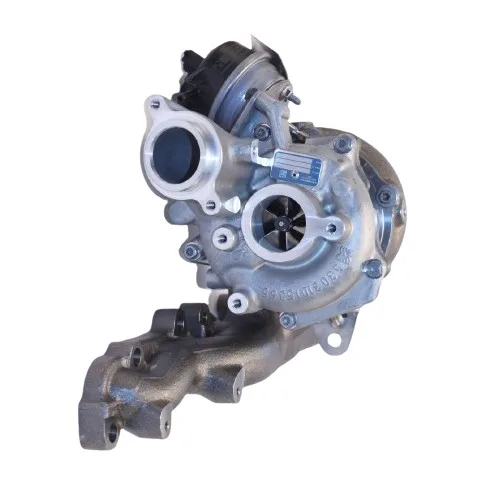
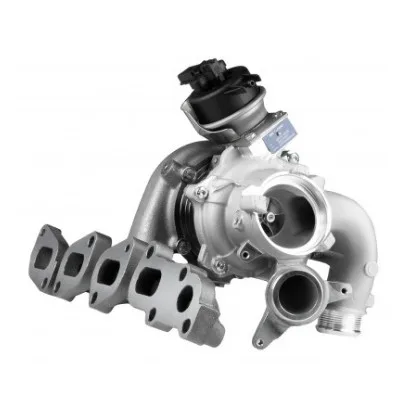
Below, compare two exchange standard turbos engineered for the 2.0 TDI 190 hp platform, each designed to restore original performance without the cost of a new unit.
| Range | Use | Format |
|---|---|---|
| SL Turbo 5303 988 0620 | Direct fit for Audi A4/A6/Q5 | |
| Turbo BorgWarner - KKK 5303 988 0621 | Volkswagen Passat/Seat Leon/Škoda Octavia |
How to choose
Selecting the right turbo for your 2.0 TDI 190 hp requires attention to motorization specifics, remanufacturing quality, and return policies that protect your investment.
- Verify the engine code (e.g., CFFB, CJXB) to ensure the turbo’s compatibility with your vehicle’s exact motorization and model year.
- Prioritize turbos with a core deposit system, allowing you to return the old unit and reduce upfront costs while maintaining environmental compliance.
- Choose remanufactured turbos with a consistent track record of performance, as these units undergo standardized testing to match OEM specifications.
- Opt for suppliers offering transparent return policies, enabling you to exchange a part if compatibility issues arise post-installation.
- Select turbos packaged for wholesale distribution, ensuring they arrive in protective casings that prevent damage during transit and storage.
- Favor turbos with clear documentation, including torque specs and installation notes, to simplify the process for both professionals and DIY users.
- Consider the supplier’s stock rotation speed, as faster turnover reduces the risk of receiving outdated or improperly stored units.
Storage & logistics
For garages and wholesalers, storing exchange standard turbos requires climate-controlled environments to prevent moisture damage and corrosion. Units should be kept in their original packaging, away from direct sunlight and extreme temperatures, with regular inventory checks to ensure FIFO (first-in, first-out) rotation. Labels must include motorization codes and remanufacturing dates to track shelf life and maintain traceability, while core deposit systems should be managed separately to streamline returns and refunds.
With over a decade of experience in turbo remanufacturing, our team ensures every 2.0 TDI 190 hp unit meets the same standards as a dealership replacement—without the premium price or wait times.— autoKUR team
Related categories
Browse our other ranges:
Useful references
For regulatory and sector references, see Reglement (UE) 461/2010 — pieces de rechange et garantie constructeur.