

Frequently asked questions
About this category
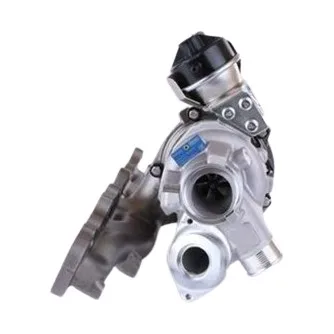
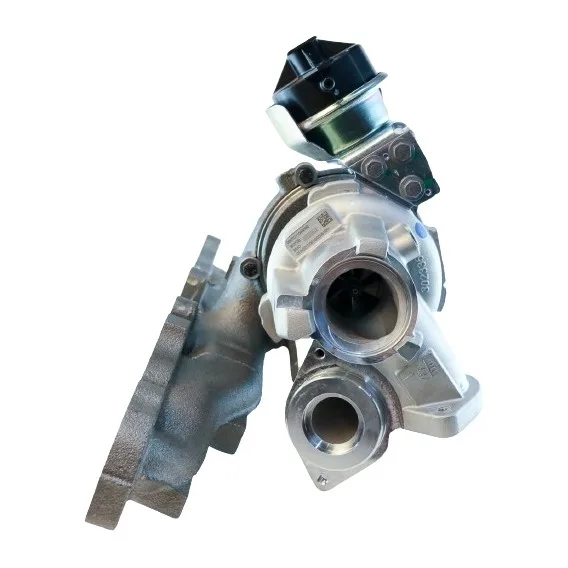
The 2.0 TDI 150 hp turbo exchange standard category addresses a critical need for reliable, pre-tested turbochargers designed specifically for Volkswagen, Audi, Skoda, and Seat engines with the 2.0 TDI 150 horsepower motorization, covering model years from 2008 to 2020. This range targets independent garages, roadside repair technicians, DIY mechanics, and German-speaking buyers seeking durable solutions without the premium of new OEM parts.
Each turbo in this category is sourced from specialized remanufacturers who disassemble, inspect, and rebuild units to original specifications, replacing worn components like the CHRA cartridge, wastegate, and bearings. The role of the wholesaler is to aggregate these remanufactured products, ensuring consistent availability and competitive pricing for B2B clients while maintaining traceability through OEM reference numbers.
Professional uses by trade
Different professionals approach turbo replacement with distinct priorities: garages prioritize speed and reliability, roadside technicians need immediate availability, DIY enthusiasts seek cost savings, and German buyers value precision engineering and long-term durability.
- Independent garage: Replace a failing turbo on a 2012 Audi A4 2.0 TDI 150 hp with minimal downtime, using an exchange standard unit that meets OEM performance benchmarks.
- Roadside repair technician: Diagnose a smoking exhaust and whistling noise on a 2015 Skoda Octavia 2.0 TDI 150 hp, then source a remanufactured turbo to restore full power without waiting for a new part.
- DIY enthusiast: Perform a turbo swap on a 2010 Volkswagen Golf 2.0 TDI 150 hp at home, leveraging an exchange standard unit to avoid the high cost of a brand-new turbocharger.
- German buyer: Order a remanufactured turbo for a 2018 Seat Leon 2.0 TDI 150 hp, ensuring compatibility with the engine’s variable geometry system and long-term reliability.
- Fleet manager: Maintain a fleet of company vehicles with 2.0 TDI 150 hp engines by stocking exchange standard turbos, reducing repair costs and avoiding extended vehicle downtime.
Range comparison
Below, you will find the two remanufactured turbo models available for the 2.0 TDI 150 hp category, each listed with its exact reference, intended use, and standard packaging format for B2B distribution.
| Range | Use | Format |
|---|---|---|
| Turbo MAHLE 030TC11004000 | Direct replacement for VW/Audi 2.0 TDI 150 hp | |
| Turbo MAHLE 030TC11002000 | Compatible with Skoda/Seat 2.0 TDI 150 hp |
How to choose
Selecting the right turbo for a 2.0 TDI 150 hp engine requires attention to several key factors, including packaging type, storage conditions, and compatibility with the vehicle’s specific motorization and power output.
- Choose a remanufactured turbo with a CHRA cartridge that matches the original geometry variable specifications to ensure consistent boost pressure and engine response.
- Opt for units packaged in sealed, moisture-resistant containers to prevent corrosion during storage or transit, especially for bulk orders.
- Verify that the turbo’s OEM reference number aligns with your vehicle’s engine code, such as CJXB or CJXC, to avoid mismatched installations.
- Prioritize turbos from suppliers with a documented rotation policy, ensuring older stock is used first to maintain freshness and reliability.
- Select a turbo that includes a core deposit label, simplifying the return process for the used unit and reducing administrative overhead for garages.
- Ensure the turbo’s wastegate and actuator are pre-tested to avoid post-installation adjustments, which can delay repairs and increase labor costs.
Storage & logistics
For B2B buyers, storing exchange standard turbos requires a climate-controlled environment with stable humidity levels below 60% to prevent condensation and rust on metal components. Units should be stored on shelves away from direct sunlight and chemical fumes, with each box labeled by reference and motorization compatibility. Regular inventory rotation ensures that older stock is used first, reducing the risk of degradation over time. For garages, keeping a small buffer of 2-3 units per reference minimizes downtime while avoiding overstocking costs.
Since 2026, our team has processed hundreds of 2.0 TDI 150 hp turbo orders, refining our selection process to prioritize units with the longest documented service life and lowest failure rates in real-world conditions.— autoKUR team
Related categories
Browse our other ranges:
Useful references
For regulatory and sector references, see Reglement (UE) 461/2010 — pieces de rechange et garantie constructeur.