


Frequently asked questions
About this category
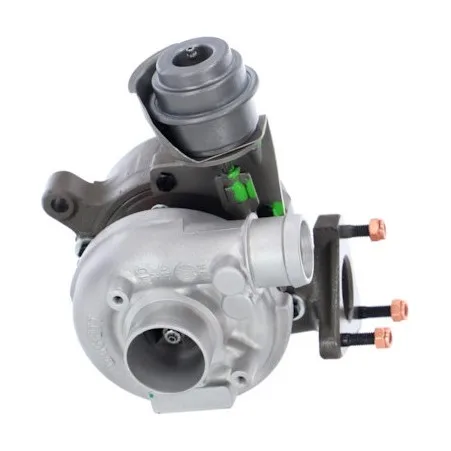
The 1.9 TDI 116 hp engine, widely used in European vehicles from the late 1990s to early 2010s, relies on a robust turbocharger to deliver optimal performance under varied driving conditions. This category addresses the needs of garages, motorists, and enthusiasts who require a dependable turbo in exchange standard format, where the core focus is on compatibility and remanufacturing quality rather than brand-new OEM parts. Whether the turbo has failed due to wear, contamination, or mechanical stress, the exchange standard approach offers a practical alternative to costly replacements.
The range of turbos for the 1.9 TDI 116 hp is curated to align with the most common failure points and performance demands of this engine family. As a wholesale supplier, we prioritize sourcing from reputable remanufacturers who specialize in exchange standard units, ensuring that each turbo undergoes rigorous testing for pressure, sealing, and rotational balance. This model allows workshops to maintain inventory without the overhead of storing new OEM parts, while motorists gain access to affordable, ready-to-install solutions for immediate repairs.
Professional uses by trade
Different user profiles approach the 1.9 TDI 116 hp turbo exchange standard category with distinct priorities, whether it’s minimizing vehicle downtime for a garage, ensuring a quick fix for a stranded driver, or sourcing a reliable part for a DIY project. The versatility of exchange standard turbos makes them a go-to choice across these scenarios, provided the selection aligns with the specific symptoms and engine codes of the vehicle in question.
- Independent garage: Source a remanufactured turbo that matches the exact engine code of the 1.9 TDI 116 hp to avoid misfires or premature failure after installation.
- Motorist stranded on the roadside: Purchase an exchange standard turbo with clear compatibility notes to restore power and drivability without waiting for a custom part.
- DIY enthusiast: Select a turbo with detailed installation guides and OEM reference cross-referencing to ensure a successful self-fitment.
- German buyer (DACH): Opt for a turbo labeled with German-language compatibility data to simplify ordering and reduce translation errors.
- Workshop manager: Stock exchange standard turbos to reduce lead times for customers and maintain a lean inventory of high-turnover parts.
- Passionate collector: Choose a turbo with documented history of use in similar vehicles to preserve authenticity in classic car restorations.
- Fleet operator: Prioritize turbos with consistent performance metrics to minimize recurring issues across multiple vehicles in the fleet.
- Trucking company: Source turbos that meet the durability demands of commercial vehicles operating under heavy loads or long hauls.
Range comparison
The turbos listed below are specifically selected for the 1.9 TDI 116 hp engine, with each reference validated for direct fitment and remanufacturing quality. These units are presented in a clear format to help professionals and motorists identify the correct part for their vehicle’s needs.
| Range | Use | Format |
|---|---|---|
| Turbo Garrett 454183-5004S | direct replacement for common 1.9 TDI failures | |
| SL Turbo 713673-5006S | high-performance remanufactured unit for extended durability |
How to choose
Selecting the right turbo for the 1.9 TDI 116 hp requires attention to several key factors beyond just the engine code. Professionals and motorists alike should evaluate the remanufacturing process, core condition, and compatibility notes to ensure a seamless fit and long-term reliability.
- Verify the turbo’s compatibility with the vehicle’s exact model year and engine variant to avoid mismatches in geometry or mounting points.
- Check the remanufacturing process details, such as whether the unit includes a new cartridge or CHRA assembly for optimal performance.
- Assess the core deposit policy to understand return requirements for the old turbo, which can impact overall cost and logistics.
- Prioritize turbos with documented testing for pressure holding and rotational balance to prevent premature failure post-installation.
- Evaluate the packaging and preservation methods used during shipping to ensure the turbo arrives in optimal condition for immediate use.
- Confirm the availability of OEM reference cross-referencing to simplify ordering and reduce the risk of incorrect part selection.
- Review the warranty terms, which typically cover defects in materials or workmanship but exclude installation errors or external damage.
Storage & logistics
For workshops and bulk buyers, proper storage of exchange standard turbos is essential to maintain their condition and readiness for installation. These units should be kept in a climate-controlled environment to prevent moisture buildup or corrosion, particularly in regions with high humidity. The packaging must remain intact until the turbo is ready for use, as any damage to the seals or housing can compromise performance. Regular inventory rotation ensures that older stock is used first, reducing the risk of parts becoming obsolete or degraded over time. Additionally, storing turbos away from direct sunlight and sources of vibration helps preserve their internal components, such as the CHRA and wastegate mechanisms, which are critical to their function.
With over a decade of experience in turbo remanufacturing, our team has seen firsthand how the right exchange standard part can transform a vehicle’s performance overnight. We don’t just sell turbos; we provide solutions that third-party technicians can trust to deliver consistent quality without the premium of a brand-new OEM unit.— autoKUR team
Related categories
Browse our other ranges:
Useful references
For regulatory and sector references, see Reglement (UE) 461/2010 — pieces de rechange et garantie constructeur.