

Available products
3 references


Frequently asked questions
About this category
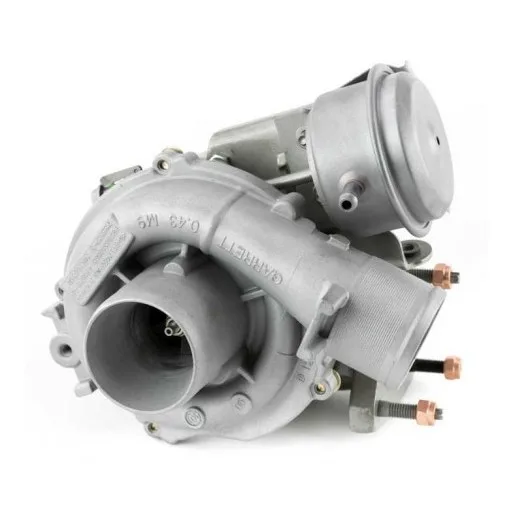
The 1.9 dCi 131 hp engine, widely used in Renault models from the mid-2000s to early 2010s, is known for its robust design but also for its susceptibility to turbocharger failure under heavy loads or poor maintenance. This category focuses exclusively on exchange standard turbos—professionally remanufactured units that restore lost power, reduce smoke emissions, and eliminate telltale whining noises. Whether you are a mechanic sourcing parts for a client’s vehicle or a car owner tackling repairs yourself, this range provides the right solution for a seamless replacement.
Each turbo in this category is selected from a network of trusted suppliers who specialize in remanufacturing, ensuring that every unit undergoes rigorous testing for geometry, cartridge integrity, and CHRA performance. The grossist role here is to bridge the gap between high-volume production and the specific needs of independent workshops and private buyers, offering a curated selection that prioritizes compatibility and reliability over generic alternatives.
Professional uses by trade
Different users approach turbo replacement with distinct priorities: garages prioritize efficiency and bulk availability, stranded motorists seek quick solutions, DIY enthusiasts value precision, and German buyers demand adherence to strict technical standards. This section outlines how each group can leverage this category to meet their specific needs.
- Le garagiste independant : Replace a failing turbo on a Renault Laguna III 1.9 dCi 131 hp with minimal downtime by selecting a pre-calibrated exchange standard unit from this range.
- L'automobiliste depanne : Restore lost power and reduce black smoke from a Renault Scenic II 1.9 dCi 131 hp by installing a remanufactured turbo that matches the original specifications.
- Le passionne qui fait lui-meme : Source a turbo that fits the Renault Megane II 1.9 dCi 131 hp without needing specialized tools, thanks to clear compatibility notes and straightforward packaging.
- Der deutsche Kaeufer (DACH) : Purchase a turbo that meets the technical standards expected in the German aftermarket, ensuring long-term reliability for a Renault Espace IV 1.9 dCi 131 hp.
- Le garagiste independant : Avoid costly delays by ordering turbos in bulk for multiple Renault models with the 1.9 dCi 131 hp engine, leveraging the grossist’s streamlined logistics.
- L'automobiliste depanne : Replace a turbo showing signs of oil leakage or excessive play on a Renault Kangoo 1.9 dCi 131 hp with a unit that restores factory performance levels.
- Der deutsche Kaeufer (DACH) : Benefit from a selection of turbos that comply with European emissions and durability standards, ensuring compliance for workshops in Germany, Austria, and Switzerland.
Range comparison
This section presents a side-by-side comparison of the three leading exchange standard turbos for the 1.9 dCi 131 hp engine, highlighting their unique features and suitability for different use cases.
| Range | Use | Format |
|---|---|---|
| SL Turbo 755507-5009S | Direct fit for Laguna III | |
| Turbo Garrett 763980-5007S | High-flow option for performance | |
| SL Turbo 774193-5003S | Budget-friendly remanufactured |
How to choose
Selecting the right turbo for the 1.9 dCi 131 hp engine requires attention to several key factors, including compatibility, condition, and intended use. This section outlines the critical criteria to evaluate before making a purchase.
- Verify the turbo’s compatibility with your vehicle’s exact model year and engine code to avoid mismatches that could lead to poor performance or premature failure.
- Inspect the condition of the core deposit—ensure the used turbo is free of cracks, excessive wear, or oil contamination before exchanging it for a remanufactured unit.
- Prioritize turbos with a consistent track record of performance in similar applications, as reliability varies significantly between brands and remanufacturing processes.
- Check the packaging and labeling for clear OEM reference numbers and calibration data, which simplify installation and reduce the risk of errors during replacement.
- For high-mileage engines, consider turbos with reinforced cartridges or upgraded bearings to extend service life and reduce the likelihood of repeat failures.
- Evaluate the supplier’s return policy and core deposit terms, as these can impact the overall cost and convenience of the exchange process.
- For professional workshops, bulk ordering options and discounted rates for regular customers can significantly improve operational efficiency and profitability.
Storage & logistics
Proper storage of exchange standard turbos is essential to maintain their performance and longevity before installation. Keep units in a dry, temperature-controlled environment away from direct sunlight and contaminants like dust or oil residues. For bulk orders, use sealed containers or original packaging to prevent moisture buildup and corrosion. Always handle turbos with care, avoiding impacts or drops that could damage the delicate internal components. Label each unit clearly with its reference number and compatibility details to streamline inventory management and reduce the risk of misplacement during busy workshop periods.
With over a decade of experience in turbo remanufacturing, our team has seen firsthand how a well-chosen exchange standard unit can transform a struggling engine back to its factory performance levels, often at a fraction of the cost of a new turbo.— autoKUR team
Related categories
Browse our other ranges:
Useful references
For regulatory and sector references, see Reglement (UE) 461/2010 — pieces de rechange et garantie constructeur.