
Available products
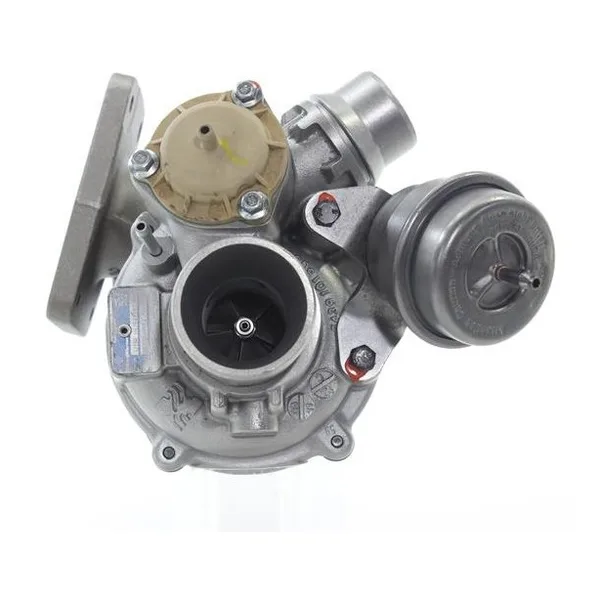
In stock
For the RENAULT Grand Scenic 3 in 1.4 16v 131 hp (96 kW petrol), the autoKUR catalogue holds 1 exchange-standard reference(s). At equal displacement, two outputs do not call for the same part.
Engine specification: 1397 cm³, petrol, built since 02/2009. Matching part number: 5439 988 0077 (BorgWarner - KKK). Compare with the code stamped on your part.
Other engines of the RENAULT Grand Scenic 3: 2.0 DCi 160 hp, 2.0 DCi 150 hp, 1.2 TCe 132 hp. If the code stamped on your part is legible, search by reference remains the safest route. 24-month warranty.
Related categories
Frequently asked questions
About this category
This category covers remanufactured turbochargers specifically engineered for 1.4 16v engines producing 131 horsepower, a configuration found in numerous European and Asian vehicle models from the late 2000s to early 2020s. Whether you are a professional mechanic sourcing parts for a client’s Renault Clio or a DIY enthusiast restoring a Peugeot 207, this range delivers turbos that restore lost power and reduce harmful emissions. Each unit undergoes rigorous testing to confirm its performance aligns with original equipment standards.
The turbos in this range are supplied by leading remanufacturers who specialize in exchange-standard components, ensuring every unit meets the same tolerances as new parts but at a fraction of the cost. The supply chain leverages bulk purchasing power to maintain competitive wholesale pricing, while the gross packaging is designed to protect components during transit and storage. This approach delivers mechanics and vehicle owners access to high-quality replacements without delays or logistical complications.
Professional uses by trade
Different users approach turbocharger replacement with distinct priorities, whether it’s minimizing downtime for a workshop or ensuring a long-term solution for a personal project. The following breakdown highlights how each target audience can leverage this category to address their specific needs efficiently.
- Le garagiste independant : Replace a faulty turbo on a customer’s vehicle within hours by selecting a pre-calibrated unit from this range, reducing diagnostic time and labor costs.
- L'automobiliste depanne : Order a remanufactured turbo for a 1.4 16v 131 HP engine to restore power and fuel efficiency without visiting a dealership.
- Le passionne qui fait lui-meme : Source a direct-fit turbocharger to complete an engine rebuild project, ensuring compatibility with the vehicle’s original specifications.
- Der deutsche Kaeufer (DACH) : Purchase a turbocharger that meets German market standards for emissions compliance, avoiding costly modifications or rejections during technical inspection.
- Le garagiste independant : Use the core deposit system to offset the cost of a new turbo, then return the old unit for recycling or remanufacturing.
- L'automobiliste depanne : Opt for a turbo with a documented remanufacturing history to ensure reliability and avoid premature failure in high-mileage engines.
- Der deutsche Kaeufer (DACH) : Select a turbocharger with a warranty covering defects, providing peace of mind for long-term vehicle ownership.
Range comparison
The following table compares the available turbocharger options for 1.4 16v 131 HP engines, highlighting their key features and intended applications. Each unit is designed to meet the demands of professional workshops and DIY mechanics alike.
| Range | Use | Format |
|---|---|---|
| Turbo BorgWarner - KKK 5439 988 0077 | Direct fit for Renault and Peugeot models |
How to choose
Selecting the right turbocharger involves evaluating several factors beyond basic compatibility, including packaging, storage conditions, and the supplier’s track record. These criteria ensure the component meets your workshop’s operational standards and the vehicle owner’s expectations.
- Prioritize turbos packaged in sealed, moisture-resistant materials to prevent corrosion during storage or transit to the workshop.
- Verify the supplier’s rotation policy to ensure you receive units with the shortest possible shelf life, reducing the risk of hidden defects.
- Choose turbos with clear documentation of remanufacturing processes, including balancing and leak tests, to confirm their reliability.
- Opt for suppliers who offer core deposit programs, allowing you to offset costs by returning the old turbo for recycling or remanufacturing.
- Select units compatible with your local emissions standards to avoid complications during vehicle inspections or roadworthiness tests.
- Favor turbos from manufacturers with a reputation for consistent quality, as this reduces the likelihood of premature failure or warranty claims.
- Ensure the turbo’s dimensions and connection points match the vehicle’s original setup to avoid modifications or additional labor during installation.
Storage & logistics
Turbochargers in this range are shipped in sturdy, stackable packaging designed to protect the CHRA (Center Housing Rotating Assembly) and cartridge from impacts, moisture, and temperature fluctuations. For workshops, storing these units in a climate-controlled environment with low humidity extends their shelf life and preserves performance. Avoid stacking heavy items on top of the packaging, as this can deform the turbo’s housing or damage internal components. Regular inventory checks help identify turbos approaching their maximum storage duration, allowing for prioritized use in repairs before potential degradation occurs.
With over 15 years of experience in exchange-standard components, our team understands the critical role turbos play in engine performance. We don’t just sell parts; we provide solutions that restore vehicles to their original efficiency, backed by a network of certified remanufacturers and a commitment to transparency in sourcing and quality.— autoKUR team
Related categories
Browse our other ranges:
Useful references
For regulatory and sector references, see Reglement (UE) 461/2010 — pieces de rechange et garantie constructeur.