


Frequently asked questions
About this category
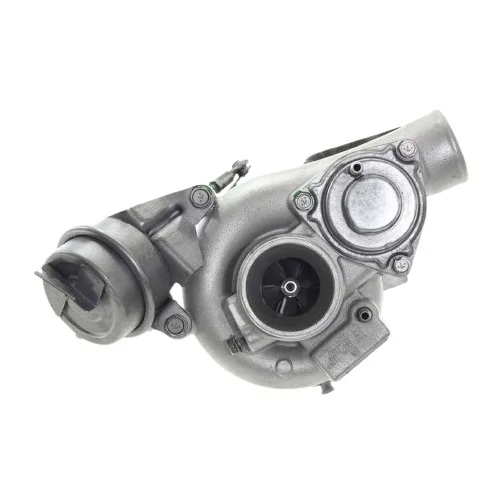
The 2.0 turbo 175 hp category covers turbochargers designed for engines producing around 175 horsepower, a common power output in modern diesel and gasoline vehicles from brands like Renault, Peugeot, and Volkswagen. These turbos are engineered to handle high rotational speeds and thermal stress, making them critical for maintaining engine efficiency and responsiveness. Whether you’re a professional mechanic or a DIY enthusiast, finding a compatible unit requires matching the turbo’s specifications to your vehicle’s motorization, including the engine code and model year.
This range is built around exchange standard turbos, which are remanufactured to original equipment standards by specialists who replace worn components like the CHRA (Center Housing Rotating Assembly) and cartridges. The process ensures the turbo delivers consistent performance while reducing costs compared to new units. As a wholesale supplier, we focus on sourcing from reputable remanufacturers to provide a reliable stock of turbos that meet the demands of both garages and private buyers.
Professional uses by trade
Different users approach the 2.0 turbo 175 hp category with distinct needs: garages prioritize fast turnaround and bulk availability, while DIY enthusiasts seek clear compatibility guidance and straightforward returns for core deposits.
- Le garagiste independant : Uses exchange standard turbos to replace faulty units in customer vehicles, ensuring minimal labor time by selecting a direct-fit part with verified OEM equivalences.
- L'automobiliste depanne : Relies on a remanufactured turbo to restore engine performance after diagnosing symptoms like lag or excessive exhaust smoke, often without needing to visit a workshop.
- Le passionne qui fait lui-meme : Orders a turbo with clear installation instructions and returns the old unit for a core deposit refund, avoiding costly professional labor.
- Der deutsche Kaeufer (DACH) : Prefers turbos labeled as generalüberholt, ensuring the part meets German market expectations for quality and compatibility with local vehicle models.
Range comparison
Below are the exchange standard turbos available for 2.0 turbo 175 hp applications, each listed with its exact reference and primary use case to simplify selection.
| Range | Use | Format |
|---|---|---|
| Turbo Garrett 720168-5011S | Direct fit for Renault engines | |
| Turbo Mitsubishi 49377-06620 | Compatible with PSA diesel models |
How to choose
Selecting the right turbo for a 2.0 turbo 175 hp engine depends on several key factors, including the vehicle’s motorization, the turbo’s geometry, and the condition of the core unit you’re returning.
- Verify the engine code and model year to ensure the turbo’s specifications match your vehicle’s requirements, avoiding mismatches that could lead to poor performance.
- Check the turbo’s condition—whether it’s a generalüberholt unit with a replaced CHRA or a cartridge-only replacement—to confirm it meets your expectations for longevity.
- Confirm the core deposit policy and return process for the old turbo, as this often influences the final cost and logistics of your purchase.
- Prioritize turbos from suppliers with a track record of consistent quality, as reliability in remanufactured parts reduces the risk of repeat failures.
- Assess the packaging and handling instructions provided, as proper storage and transport protect the turbo from damage before installation.
- Review the warranty terms, which typically cover defects in materials or workmanship but exclude damage from improper installation or use.
- For diesel applications, ensure the turbo includes a variable geometry mechanism if your engine relies on it for optimal performance.
Storage & logistics
Proper storage of exchange standard turbos is critical to maintaining their condition before installation. Keep units in a dry, temperature-controlled environment away from direct sunlight and contaminants like dust or oil. For garages, storing turbos in sealed plastic bags with desiccant packets helps prevent moisture buildup, which can corrode internal components. Always handle turbos with care, avoiding drops or impacts that could damage the housing or impeller. When transporting, use padded boxes or specialized carriers to protect the turbo from vibrations and shocks, especially during bulk shipments to workshops or private buyers.
Since 2026, our team has focused on sourcing remanufactured turbos that meet the strict demands of both professionals and DIY users, ensuring every unit delivers reliable performance without the premium cost of new parts.— autoKUR team
Related categories
Browse our other ranges:
- 2.8 v6 TURBO 280 hp
- 2.8 v6 TURBO 256 hp
- 2.8 v6 TURBO 250 hp
- 2.8 v6 TURBO 230 hp
- 3.0 CDTI 184 hp
- 3.0 CDTI 177 hp
Useful references
For regulatory and sector references, see Reglement (UE) 461/2010 — pieces de rechange et garantie constructeur.