

Frequently asked questions
About this category
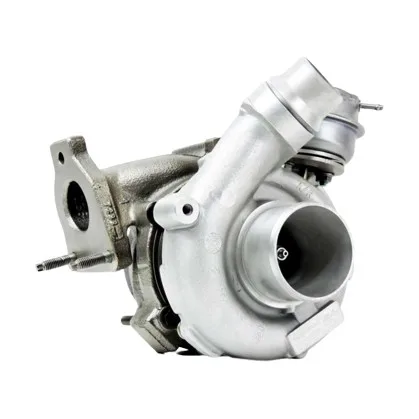
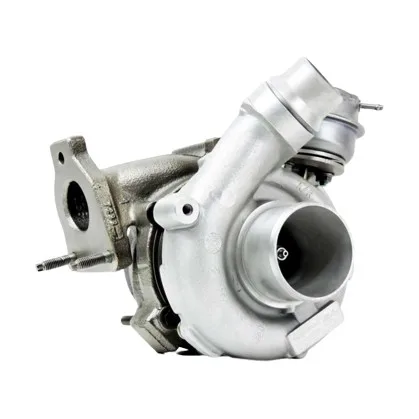
The Renault 2.0 DCi 150 hp turbo exchange standard category addresses a common need among motorists and professionals: restoring lost power in diesel engines without the expense of a new unit. This range includes remanufactured turbos designed to fit specific motorizations, ensuring compatibility with vehicles from the early 2000s to recent models. Whether for a stranded driver or a workshop stocking up, these turbos provide a cost-effective alternative to OEM replacements.
This category is built around turbos that have undergone rigorous remanufacturing processes, including core cleaning, component replacement, and performance testing. The role of the wholesaler is pivotal here, as they ensure a steady supply of high-quality exchange turbos that meet the technical demands of the Renault 2.0 DCi 150 hp engine. No shortcuts are taken in sourcing or quality control.
Professional uses by trade
Different users approach the Renault 2.0 DCi 150 hp turbo exchange standard category with distinct needs. Garages prioritize bulk availability and quick turnaround, while DIY enthusiasts seek ease of installation. Motorists stranded by a failed turbo require immediate solutions, and German buyers demand precision-engineered parts.
- Le garagiste independant : Stocks exchange turbos for Renault 2.0 DCi 150 hp to minimize vehicle downtime during repairs, ensuring workshops can service multiple clients efficiently.
- L'automobiliste depanne : Relies on exchange turbos to get their vehicle running again quickly, avoiding prolonged waits for OEM parts or costly repairs.
- Le passionne qui fait lui-meme : Prefers exchange turbos for their straightforward installation process, allowing DIY repairs without specialized tools or training.
- Der deutsche Kaeufer (DACH) : Seeks turbos that meet German engineering standards, ensuring long-term reliability and compatibility with local vehicle fleets.
- Le garagiste independant : Orders exchange turbos in bulk to maintain a steady inventory, reducing the risk of stockouts during peak repair seasons.
- L'automobiliste depanne : Chooses exchange turbos for their balance of cost and performance, avoiding the premium of new OEM units while ensuring quality.
- Der deutsche Kaeufer (DACH) : Values turbos with clear documentation and remanufacturing traceability, aligning with German market expectations for transparency.
Range comparison
The Renault 2.0 DCi 150 hp turbo exchange standard range includes two core references, each designed to meet the demands of different motorizations and usage scenarios. These turbos are selected for their proven performance and compatibility with the engine’s specifications.
| Range | Use | Format |
|---|---|---|
| Turbo Garrett 773087-5003S | High-flow turbo for performance-oriented repairs | |
| Turbo Garrett 774833-5002S | Standard turbo for routine maintenance and repairs |
How to choose
Selecting the right turbo for the Renault 2.0 DCi 150 hp requires attention to several key factors. Compatibility with the motorization, power output, and vehicle year is non-negotiable, while the condition of the turbo—whether remanufactured or exchange standard—impacts longevity and performance.
- Verify the turbo’s compatibility with your vehicle’s motorization by cross-referencing the OEM reference and power output to avoid mismatches.
- Check the condition of the turbo’s core components, such as the CHRA and wastegate, to ensure they meet remanufacturing standards for consistent performance.
- Prioritize turbos with clear documentation, including OEM equivalences and remanufacturing certifications, to deliver traceability and reliability.
- For workshops, bulk ordering ensures a steady supply of turbos, reducing the risk of stockouts during high-demand periods.
- DIY enthusiasts should confirm the turbo’s fitment and installation requirements before purchase to avoid complications during self-repairs.
- German buyers should seek turbos that align with local market expectations, including documentation and engineering standards.
- Regular rotation of stock ensures turbos remain within their optimal performance window, reducing the risk of premature failure.
Storage & logistics
Proper storage of Renault 2.0 DCi 150 hp exchange turbos is essential to maintain their condition before installation. Store turbos in a dry, temperature-controlled environment to prevent corrosion or damage to internal components. For workshops, organize turbos by motorization and power output to streamline inventory management and reduce retrieval times. Avoid stacking turbos or exposing them to direct sunlight, as this can degrade seals and bearings over time. Regularly inspect stored turbos for signs of moisture or contamination, and rotate stock to ensure older units are used first.
Since 2026, our team has specialized in sourcing and remanufacturing turbos for the Renault 2.0 DCi 150 hp range, ensuring every unit meets the high standards expected by professionals and motorists alike.— autoKUR team
Related categories
Browse our other ranges:
Useful references
For regulatory and sector references, see Reglement (UE) 461/2010 — pieces de rechange et garantie constructeur.