

Available products
3 references


Frequently asked questions
About this category
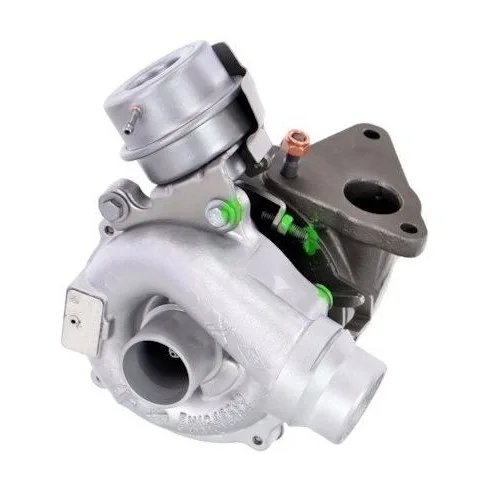
The exchange standard turbocharger category addresses a critical need in the automotive aftermarket: providing remanufactured turbos that restore engine performance while offering a cost-effective alternative to new units. This range is designed for professionals—garages, mechanics—and DIY enthusiasts who prioritize reliability and compatibility over brand-new pricing. Here, you’ll find turbos engineered for specific vehicle models, motorizations, and power outputs, all pre-tested to ensure seamless installation.
This range is built by a specialist wholesaler with deep expertise in turbocharger remanufacturing, sourcing units from leading manufacturers to cover a broad spectrum of applications. The focus is on delivering turbos that meet OEM specifications, ensuring they integrate flawlessly into existing systems without requiring modifications or additional diagnostics.
Professional uses by trade
Different users approach turbocharger exchange standard remanufactured units for distinct reasons, whether to reduce repair costs, maintain fleet efficiency, or restore a beloved vehicle’s performance. Garages rely on these turbos to minimize downtime, while DIY owners seek reliable replacements that avoid the complexity of sourcing new parts.
- Le garagiste independant : Replace a failing turbo on a Renault Scenic 3 1.5 dCi 110 with a remanufactured unit to restore power and fuel efficiency without overhauling the engine.
- L'automobiliste depanne : Find a direct-fit turbo for a 2012 Opel Astra J 2.0 CDTI to avoid costly dealership repairs and get back on the road quickly.
- Le passionne qui fait lui-meme : Source a turbo compatible with a 2008 BMW 320d E90 to perform the swap at home, leveraging pre-tested quality for peace of mind.
- Der deutsche Kaeufer (DACH) : Order a BorgWarner KKK turbo for a VW Passat 2.0 TDI to ensure OEM-grade performance in a remanufactured package, ideal for German diesel engines.
- Le garagiste independant : Use exchange standard turbos for fleet vehicles like the Peugeot Partner 1.6 HDi to maintain consistent performance across multiple units with minimal downtime.
- L'automobiliste depanne : Replace a faulty turbo on a Ford Focus 1.8 TDCi with a remanufactured unit to avoid the expense of a brand-new turbocharger.
- Der deutsche Kaeufer (DACH) : Source a turbo for an Audi A4 2.0 TDI B8 to restore smooth acceleration and reduce smoke emissions after a turbo failure.
Range comparison
Below, you’ll find the exchange standard turbocharger range, organized by OEM reference and motorization compatibility. Each unit is remanufactured to meet the original equipment standards, ensuring reliable performance for your specific vehicle.
| Range | Use | Format |
|---|---|---|
| SL Turbo 5439 998 0127 | Renault Scenic 3 1.5 dCi 110 | |
| SL Turbo 5439 988 0070 | Opel Astra J 2.0 CDTI | |
| Turbo BorgWarner - KKK 5439 988 0080 | VW Passat 2.0 TDI |
How to choose
Selecting the right exchange standard turbo requires attention to motorization compatibility, remanufacturing quality, and packaging suitability for your workflow. These criteria ensure the unit integrates seamlessly and performs reliably from the first start.
- Verify the turbo’s OEM reference matches your vehicle’s motorization to avoid installation issues and ensure optimal performance.
- Check the remanufacturing process includes core cleaning, bearing replacement, and cartridge testing for consistent quality across units.
- Prioritize turbos with clear packaging labels indicating motorization compatibility and remanufacturing date for traceability.
- Opt for units with protective covers to prevent damage during storage and transport, especially for bulk orders.
- Ensure the turbo’s geometry aligns with your engine’s specifications to maintain proper boost levels and prevent overpressure.
- Select turbos from reputable manufacturers to deliver the durability of the CHRA (Center Housing Rotating Assembly) and reduce future failures.
- Choose packaging that matches your workshop’s storage system, whether palletized for large orders or individual cartons for smaller jobs.
Storage & logistics
For workshops, storing exchange standard turbos requires controlled conditions to preserve their remanufactured state. Keep units in their original packaging, away from moisture and extreme temperatures, to prevent corrosion or seal degradation. Organize inventory by motorization and OEM reference for quick retrieval, and rotate stock based on expiration dates if applicable. For bulk orders, palletized units should be stored on racks to avoid compression damage, while individual cartons benefit from shelf storage with clear labeling for efficiency.
Since 2026, our team has specialized in sourcing and remanufacturing turbos that meet the exacting standards of European diesel engines, ensuring every unit restores performance without compromise.— autoKUR team
Related categories
Browse our other ranges:
Useful references
For regulatory and sector references, see Reglement (UE) 461/2010 — pieces de rechange et garantie constructeur.