
Available products
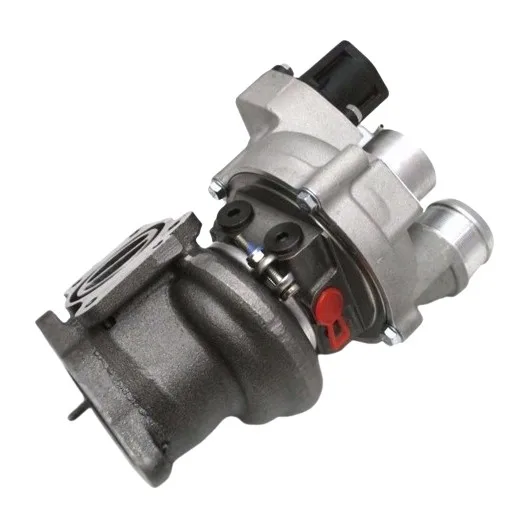
In stock
For the MINI Countryman (R60) in 1.6 Cooper 122 hp (90 kW petrol), the autoKUR catalogue holds 1 exchange-standard reference(s). At equal displacement, two outputs do not call for the same part.
Engine specification: 1598 cm³, petrol, built from 11/2012 to 10/2016. Matching part number: 5303 988 0163 (SL Turbo). Compare with the code stamped on your part.
Other engines of the MINI Countryman (R60): 1.6 Cooper S 190 hp, 2.0 Cooper SD 190 hp, 1.6 Cooper S 184 hp. If the code stamped on your part is legible, search by reference remains the safest route. 24-month warranty.
Related categories
Frequently asked questions
About this category
This category serves owners and professionals seeking a reconditioned turbocharger for the Mini Cooper 1.6 122 HP, addressing common symptoms like reduced acceleration, excessive exhaust smoke, or a whining noise from the engine bay. Whether you’re a DIY enthusiast replacing the unit yourself or a mechanic sourcing parts for a client’s vehicle, this section provides the right components to restore optimal performance. The turbos listed here are designed to match the original specifications, ensuring seamless integration without the need for modifications.
The range is curated by a wholesale distributor specializing in exchange-standard turbos, where each unit undergoes a standardized remanufacturing process to meet industry benchmarks. This approach allows garages to maintain inventory flexibility while offering customers a cost-efficient alternative to brand-new parts. The turbos are sourced from reputable suppliers with a focus on durability, ensuring that workshops can deliver consistent results to their clients without delays or unexpected failures.
Professional uses by trade
Different users approach this category with distinct needs: garages prioritize bulk availability and core deposit logistics, while DIYers focus on ease of installation and compatibility verification. The following breakdown highlights how each group leverages these turbos to resolve performance issues efficiently.
- The independent garage mechanic: sources these turbos in bulk to keep workshop inventory lean while ensuring quick turnaround for customers whose vehicles exhibit symptoms like sluggish acceleration or excessive exhaust smoke.
- The stranded motorist: replaces a failing turbocharger on the spot to avoid costly towing, relying on the part’s pre-verified compatibility with the 1.6 122 HP engine to restore drivability without professional intervention.
- The DIY enthusiast: selects a remanufactured turbo to save on labor costs, carefully matching the part’s reference to the vehicle’s engine code to ensure a precise fit during self-installation.
- The German buyer (DACH): orders a turbocharger with core deposit terms to align with local workshop practices, ensuring compliance with regional return policies for used parts while maintaining cost efficiency.
- The fleet manager: procures these turbos in bulk for a fleet of Mini Coopers, prioritizing units with consistent remanufacturing standards to minimize unexpected breakdowns across multiple vehicles.
- The performance tuner: sources a remanufactured turbo to experiment with power upgrades, verifying the part’s compatibility with the 1.6 122 HP engine before installation to avoid compatibility issues.
- The budget-conscious owner: opts for a reconditioned turbo to address a failing unit, balancing affordability with the assurance of a part designed to meet the original equipment’s performance benchmarks.
Range comparison
Below, you’ll find the available turbocharger options for the Mini Cooper 1.6 122 HP, each listed with its reference and designed to address specific performance concerns. These units are engineered to restore the vehicle’s power delivery and efficiency without requiring modifications.
| Range | Use | Format |
|---|---|---|
| SL Turbo 5303 988 0163 | high-mileage vehicle repair |
How to choose
Selecting the right turbocharger involves evaluating several factors beyond just the engine code. Compatibility, remanufacturing quality, and return logistics play a critical role in ensuring a successful repair or upgrade. The following criteria help guide your decision to match the part with your specific needs.
- Verify the turbocharger’s reference matches the vehicle’s engine code to avoid installation mismatches, as even minor discrepancies can lead to performance issues or premature failure.
- Prioritize units with a core deposit policy to reduce upfront costs, as this allows you to reclaim a portion of the purchase price upon returning the faulty part to the supplier.
- Assess the remanufacturing process used, focusing on whether the CHRA and variable geometry components have been restored to original specifications for reliable long-term performance.
- Check the packaging format to ensure it aligns with your workflow, whether you need bulk boxes for a garage or single units for a DIY project.
- Confirm the supplier’s return policy for defective units, as this protects your investment in case the part arrives damaged or fails prematurely after installation.
- Evaluate the supplier’s reputation for consistency, as turbos from different batches may exhibit variations in performance or durability despite similar remanufacturing standards.
- Consider the core deposit’s refund timeline, as some suppliers process returns faster than others, impacting your cash flow and operational efficiency.
Storage & logistics
For garages and workshops, storing these turbos requires attention to environmental conditions to preserve their condition until installation. Keep the units in a dry, temperature-controlled space away from direct sunlight, as excessive heat or moisture can degrade seals and internal components over time. Label each box with the part’s reference and installation date to track rotation and avoid using outdated stock. For bulk orders, use shelving systems that allow easy access while preventing damage from stacking or shifting. Always inspect the packaging for tears or punctures before storage, as compromised seals can expose the turbo to contaminants. If storing for extended periods, consider vacuum-sealing individual units to further protect against humidity and oxidation, ensuring the part remains ready for use when needed.
With over a decade of sourcing remanufactured turbos for European engines, our team understands the critical role these components play in maintaining vehicle performance. We prioritize suppliers who adhere to strict remanufacturing standards, ensuring every unit meets the demands of independent garages and DIY enthusiasts alike.— autoKUR team
Related categories
Browse our other ranges:
- 1.6 Cooper S 190 hp
- 2.0 Cooper SD 190 hp
- 1.6 Cooper S 184 hp
- 1.6 Cooper S 163 hp
- 2.0 Cooper SD 143 hp
- 2.0 Cooper SD 136 hp
Useful references
For regulatory and sector references, see Reglement (UE) 461/2010 — pieces de rechange et garantie constructeur.