


Frequently asked questions
About this category
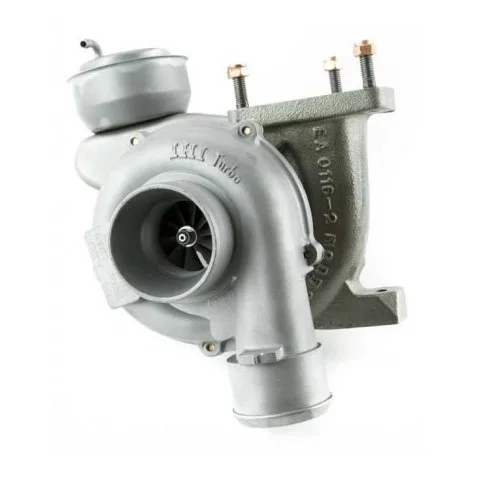
The 2.2 CDI 150 hp turbocharger category addresses a common pain point for Mercedes-Benz owners and repair professionals: the need for a high-quality, exchange-standard turbo that restores lost power and efficiency without the expense of a brand-new unit. This range includes turbos designed for the OM651 engine family, covering models from the mid-2000s to recent years, and is built to meet the demands of both professional workshops and self-reliant motorists.
Each turbo in this category is sourced from specialized remanufacturers who follow rigorous processes to ensure the core components meet original equipment specifications. The role of the wholesaler here is to aggregate these high-quality products, providing garages and DIYers with a single point of access to a reliable supply chain, reducing downtime and improving repair turnaround.
Professional uses by trade
Different users approach the 2.2 CDI 150 hp turbocharger category with distinct needs, whether it’s a mechanic diagnosing a loss of boost pressure, a car owner replacing a failing unit, or a German buyer seeking a cost-effective alternative to OEM parts. The following sections outline how each group can leverage this range effectively.
- Le garagiste independant : Replace a failing turbo on a Mercedes-Benz Sprinter or C-Class with a remanufactured unit to avoid costly OEM delays and maintain workshop efficiency.
- L'automobiliste depanne : Order an exchange-standard turbo for a 2.2 CDI 150 hp vehicle showing symptoms like excessive smoke, reduced acceleration, or a noticeable whistling noise from the engine bay.
- Le passionne qui fait lui-meme : Source a direct-fit turbo for a personal project car, ensuring compatibility with the OM651 engine while keeping costs manageable compared to new parts.
- Der deutsche Kaeufer (DACH) : Purchase a high-quality remanufactured turbo for a Mercedes-Benz Vito or Viano, benefiting from the German market’s preference for durable, long-lasting powertrain components.
- Le garagiste independant : Use the exchange-standard turbo to perform a quick swap during a routine service, reducing labor time and improving customer satisfaction with faster turnaround.
- L'automobiliste depanne : Avoid the expense of a dealership visit by sourcing a compatible turbo online, then having it installed by a trusted local mechanic to restore vehicle performance.
- Der deutsche Kaeufer (DACH) : Choose a turbo with geometrically variable geometry for improved response and efficiency, aligning with the expectations of German drivers for high-performance diesel engines.
Range comparison
This section compares the two primary turbocharger models available for the 2.2 CDI 150 hp engine, highlighting their key features and intended applications to help buyers make an informed decision.
| Range | Use | Format |
|---|---|---|
| SL Turbo VV14 | Direct replacement for Sprinter and Vito models | |
| SL Turbo VV19 | High-performance option for C-Class and E-Class |
How to choose
Selecting the right turbo for a 2.2 CDI 150 hp engine requires attention to several critical factors, including compatibility, remanufacturing quality, and intended use. The following criteria help professionals and DIYers narrow down their options effectively.
- Verify the turbo’s compatibility with the vehicle’s exact motorization, including engine code and model year, to ensure a seamless fit and avoid installation issues.
- Prioritize turbos with geometrically variable geometry for improved throttle response and fuel efficiency, especially in high-mileage or performance-oriented applications.
- Check the remanufacturing process used, focusing on core components like the CHRA cartridge and wastegate, to ensure durability and consistent performance over time.
- Assess the packaging and handling instructions provided, as proper storage and transport are essential to prevent damage before installation.
- Evaluate the supplier’s return policy for used cores, as many exchange-standard turbos require a core deposit to encourage responsible recycling of old units.
- Consider the availability of technical documentation, such as OEM reference cross-references and installation guides, to simplify the repair process for mechanics.
- For DIY enthusiasts, opt for turbos with clear compatibility charts and customer reviews to gauge real-world performance and reliability.
Storage & logistics
For professionals sourcing exchange-standard turbos in bulk, proper storage and logistics are critical to maintaining product integrity. These components should be kept in a climate-controlled environment to prevent moisture damage, with clear labeling to track motorization compatibility and remanufacturing batch. Regular inventory rotation ensures that older stock is used first, reducing the risk of obsolescence. For garages, this means ordering in quantities that align with typical repair schedules, while DIY buyers benefit from smaller, single-unit packaging to avoid unnecessary waste.
With over a decade of experience in the powertrain remanufacturing sector, our team has seen firsthand how a well-chosen exchange-standard turbo can transform a struggling diesel engine into a reliable workhorse. We focus on delivering products that meet the high standards of German engineering, ensuring every unit restores the original performance of the 2.2 CDI 150 hp.— autoKUR team
Related categories
Browse our other ranges:
Useful references
For regulatory and sector references, see Reglement (UE) 461/2010 — pieces de rechange et garantie constructeur.