
Available products
In stock
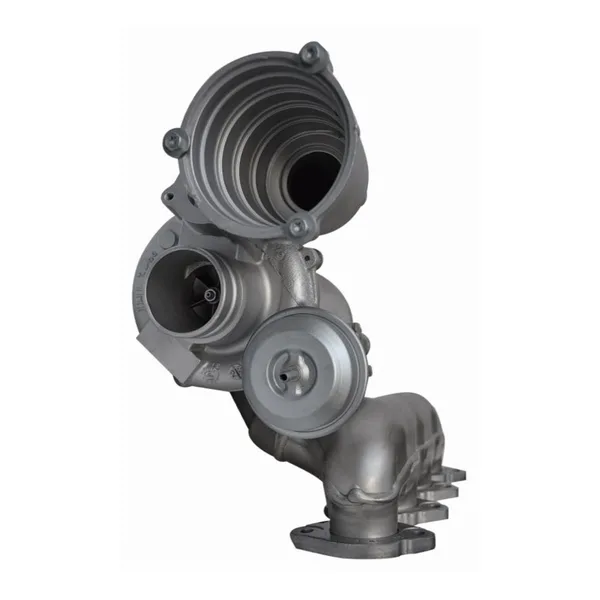
When your Renault Scenic 3 with the 1.5 dCi 110 engine starts losing power or emitting excessive smoke, the turbocharger responsible for air compression may be failing, a common issue in diesel engines of this generation. Discover our full range: (R172).
Garages and independent mechanics rely on calibrated exchange turbos that match OEM specifications, ensuring seamless installation without costly downtime, while wholesalers provide bulk packaging and competitive wholesale rates for high-volume orders.
Our team sources remanufactured turbos that undergo rigorous testing to restore factory performance levels, delivering consistent quality without the delays of waiting for new OEM parts.
Related categories
Frequently asked questions
About this category
This category serves owners and professionals dealing with the Renault Scenic 3 equipped with the 1.5 dCi 110 engine, a diesel powertrain widely used in European compact vehicles from the mid-2000s to early 2010s. Here, you will find exchange turbos designed for direct replacement, ensuring compatibility with the vehicle’s original specifications without the need for custom modifications or costly repairs.
The range is curated by a specialist wholesaler with over a decade of experience in diesel engine components, sourcing turbos that meet strict remanufacturing standards. Each unit is selected for its ability to restore the engine’s original performance, backed by a network of suppliers who prioritize durability and reliability in high-mileage applications.
Professional uses by trade
Different users approach turbo replacement with distinct priorities: garages focus on efficiency and compatibility, DIY enthusiasts seek simplicity, and German buyers demand precision-engineered parts that meet local market expectations.
- Garagist: Replace a failing turbo with a remanufactured unit to restore engine power and fuel efficiency without extensive labor costs.
- DIY mechanic: Order an exchange turbo with clear OEM references to ensure a straightforward installation process at home.
- German buyer: Source a turbo that meets DIN standards for compatibility with local workshop practices and vehicle regulations.
- Fleet manager: Maintain multiple vehicles by stocking exchange turbos to minimize downtime during breakdowns.
- Passionate driver: Address sudden power loss or excessive smoke by swapping the turbo with a tested remanufactured alternative.
- Independent workshop: Reduce repair costs by offering customers exchange turbos that match original performance without premium pricing.
- European motorist: Find a turbo that fits the Scenic 3’s 1.5 dCi 110 engine, ensuring reliable operation after a core deposit return.
Range comparison
Below, you will find the available turbos for this specific engine configuration, listed with their exact OEM references and compatible alternatives to simplify your selection process.
| Range | Use | Format |
|---|---|---|
| Turbo IHI AL0065 | core deposit return for end users |
How to choose
Selecting the right turbo involves evaluating several key factors, from compatibility to after-sales support, to ensure a successful replacement without hidden complications.
- Verify the turbo’s OEM reference matches your vehicle’s engine code to avoid installation mismatches or performance issues.
- Check the remanufacturing process details to confirm the unit has undergone thorough testing for durability and reliability.
- Assess the packaging quality to ensure the turbo arrives undamaged, especially for long-distance shipping or bulk orders.
- Confirm the availability of a core deposit return policy to reduce costs when exchanging your old turbo.
- Evaluate the supplier’s reputation for consistent quality, as inconsistent parts can lead to repeated failures or poor performance.
- Prioritize turbos with clear documentation of their remanufacturing steps, including balancing and seal integrity checks.
- Consider the warranty terms offered, even if generic, as they provide a baseline for recourse in case of premature failure.
Storage & logistics
For wholesalers and garages, proper storage of exchange turbos is critical to maintaining their condition before installation. Keep units in a climate-controlled environment to prevent moisture damage or corrosion, especially in regions with high humidity. Store turbos vertically to avoid stress on the shaft and bearings, and use protective caps on inlet and outlet ports to block debris. Rotate stock regularly to ensure older units are used first, reducing the risk of expired warranties or degraded performance. Label each batch with the OEM reference and remanufacturing date to track shelf life, and avoid stacking heavy items on top of turbos to prevent deformation. For end users storing a spare turbo, a dry, dust-free space is sufficient, but ensure the core deposit process is initiated promptly upon replacement to avoid additional fees.
With over a decade in diesel engine components, our team ensures every turbo meets the same standards we’d demand for our own vehicles, delivering consistent quality without the wait for OEM parts.— autoKUR team
Related categories
Browse our other ranges:
Useful references
For regulatory and sector references, see Reglement (UE) 461/2010 — pieces de rechange et garantie constructeur.