
Available products
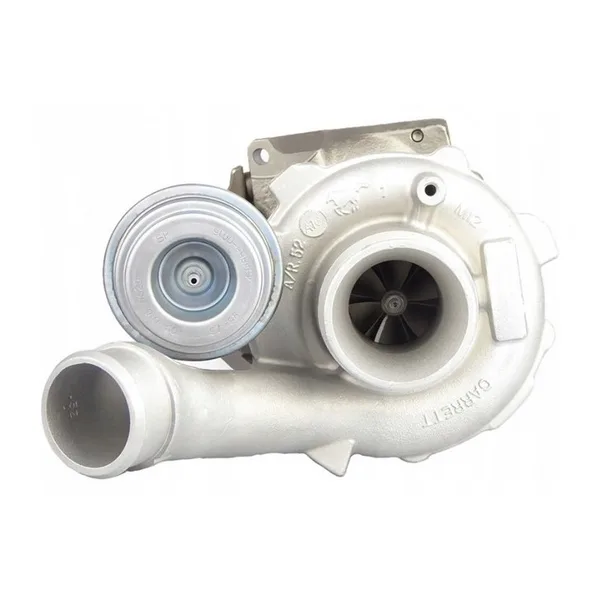
In stock
The MERCEDES Classe S Coupé (C217) 500 455 hp (335 kW petrol) is covered by 1 exchange-standard reference(s). Check output before displacement: it determines the part.
Engine specification: 4663 cm³, petrol, built from 04/2014 to 10/2017. Matching part number: 827052-5001S (Garrett). Compare with the code stamped on your part.
Other engines of the MERCEDES Classe S Coupé (C217): 63 AMG 585 hp, S 63 585 hp, S 400 367 hp. If the code stamped on your part is legible, search by reference remains the safest route. 24-month warranty.
Related categories
Frequently asked questions
About this category
Turbochargers in the 500 to 455 hp range are critical for engines requiring precise airflow control under high load, such as performance diesel or tuned petrol applications. This category focuses on remanufactured units designed to replace failing turbos in vehicles where power output and reliability are non-negotiable. Whether for a daily driver or a track-tuned project, these turbos are engineered to restore original performance without the premium of a new OEM part.
The range is built around core-deposit models, where customers return their used turbo to offset the cost of the replacement. This system ensures a steady supply of cores for remanufacturing while keeping prices competitive. Wholesalers play a key role by aggregating compatible units from multiple brands, simplifying sourcing for garages and reducing the risk of stockouts for rare applications.
Professional uses by trade
Different users approach turbo replacement with distinct priorities: garages need speed and reliability, DIYers seek cost savings, and enthusiasts demand performance parity. Below, we outline how each group leverages this category to solve their specific challenges efficiently.
- Independent garage: Replace a failing turbo on a customer’s vehicle within a single appointment to avoid repeat visits and maintain service reputation.
- DIY mechanic: Source a budget-friendly remanufactured turbo to complete a project without compromising on quality or compatibility.
- Performance tuner: Upgrade a worn turbo with a reconditioned unit that matches the engine’s power goals without the expense of a brand-new part.
- Fleet manager: Minimize vehicle downtime by stocking core-deposit turbos for rapid swaps during scheduled maintenance windows.
- Classic car owner: Restore a rare or discontinued turbo model using a remanufactured equivalent that preserves original specifications.
- Diesel specialist: Address common issues like boost leaks or vane sticking in high-mileage turbos with a reconditioned CHRA assembly.
- German DACH buyer: Navigate the local market’s preference for core-deposit systems while ensuring the turbo meets local emissions and performance standards.
Range comparison
Below, we compare the available reconditioned turbos for 500 to 455 hp engines, highlighting their compatibility, remanufacturing standards, and core-deposit policies. Each option is vetted for fitment across multiple vehicle platforms to streamline selection.
| Range | Use | Format |
|---|---|---|
| Turbo Garrett 827052-5001S | High-flow variable geometry turbo |
How to choose
Selecting the right reconditioned turbo depends on several factors beyond just fitment. Compatibility with the engine’s power curve, remanufacturing quality, and core-deposit terms all influence long-term satisfaction. Below, we break down the key considerations to guide your decision.
- Verify the turbo’s compatibility with your vehicle’s engine code and model year to avoid mismatched performance characteristics or fitment issues.
- Check the remanufacturing process details, such as CHRA replacement, bearing upgrades, and variable geometry calibration, to ensure durability under load.
- Confirm the core-deposit policy, including refund terms and return deadlines, to avoid unexpected costs or delays in the replacement process.
- Assess the turbo’s condition reports, such as vane movement tests and boost pressure benchmarks, to gauge its remaining service life.
- Prioritize units with documented history of use in similar applications to reduce the risk of premature failure in high-stress scenarios.
- Compare packaging and shipping options, especially for bulk orders, to ensure the turbo arrives undamaged and ready for installation.
- Evaluate the supplier’s return policy for defective units, as this can significantly impact the total cost of ownership over time.
Storage & logistics
For garages and wholesalers, storing reconditioned turbos requires controlled environments to prevent moisture damage or bearing corrosion. Units should be kept in sealed, anti-static bags with desiccant packs, away from direct sunlight or temperature extremes. Regular inventory rotation ensures older stock is used first, maintaining freshness and reducing the risk of seized components. For core-deposit systems, designate a separate area for used turbos awaiting remanufacturing, with clear labeling to track their origin and condition. This discipline minimizes waste and streamlines the refurbishment workflow.
Since 2026, we’ve seen how a well-remanufactured turbo can turn a stranded vehicle back into a reliable daily driver or a weekend warrior’s pride and joy. Our process focuses on restoring the turbo’s original performance without cutting corners, because a turbo that fails again isn’t just a part—it’s a reputation.— autoKUR team
Related categories
Browse our other ranges:
Useful references
For regulatory and sector references, see Reglement (UE) 461/2010 — pieces de rechange et garantie constructeur.