
Available products
In stock
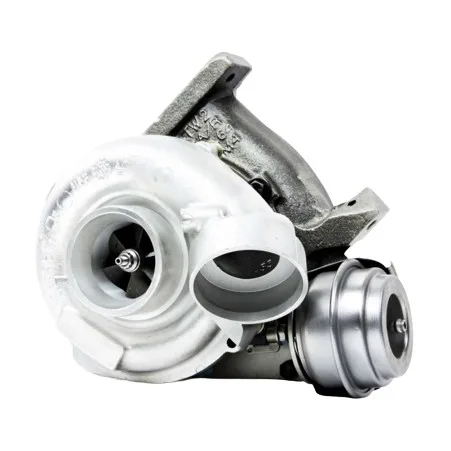
For the MERCEDES Classe G (W463) in 270 CDI 156 hp (115 kW diesel), the autoKUR catalogue holds 1 exchange-standard reference(s). At equal displacement, two outputs do not call for the same part.
Engine specification: 2685 cm³, diesel, built since 10/2001. Matching part number: 711009-5002S (Garrett). Compare with the code stamped on your part.
Other engines of the MERCEDES Classe G (W463): 63 AMG 544 hp, 500 422 hp, 350 D 286 hp. If the code stamped on your part is legible, search by reference remains the safest route. 24-month warranty.
Related categories
Frequently asked questions
About this category
This category covers exchange-standard turbocompressors for the Mercedes-Benz OM646 diesel engine, a powerplant found in models like the W203 C-Class, W211 E-Class, and Sprinter vans produced between 2002 and 2009. These turbos are engineered to address common failure points such as worn bearings, damaged compressor wheels, or leaking oil seals, restoring the engine’s ability to maintain boost pressure and airflow efficiency. Whether you’re a professional mechanic diagnosing a loss of power or an owner tackling repairs yourself, this range provides a cost-effective alternative to OEM replacements.
The turbos in this range are sourced from specialized remanufacturers who disassemble, inspect, and rebuild each unit to original equipment specifications using high-quality components. This process includes balancing the rotating assembly, replacing worn seals, and testing for leaks or performance deviations under simulated operating conditions. The result is a product that meets the same performance and durability standards as new turbos but at a fraction of the cost, making it ideal for both repair shops and DIY enthusiasts seeking reliable solutions.
Professional uses by trade
Different professionals approach turbo replacement with distinct priorities: garages prioritize speed and consistency, DIY owners value accessibility, and German buyers expect precision engineering. Below, we outline how each group leverages these turbos to resolve common engine issues efficiently.
- Le garagiste independant : Replace a failing turbo on a W211 E-Class 270 CDI with minimal downtime by selecting a pre-calibrated unit that bolts directly into the original mounting points.
- L'automobiliste depanne : Diagnose a whining noise from the turbo area and order an exchange-standard unit to avoid the expense of a dealership repair while ensuring compatibility with the OM646 engine.
- Le passionne qui fait lui-meme : Strip down a leaking turbo on a Sprinter van and install a remanufactured unit with clear instructions, restoring boost levels without specialized tools.
- Der deutsche Kaeufer (DACH) : Source a turbo that meets Mercedes-Benz’s strict tolerances for the OM646, ensuring long-term reliability in high-mileage commercial vehicles.
- Le garagiste independant : Address a customer complaint of sluggish acceleration by testing the turbo’s vane movement and replacing it with an exchange-standard unit if wear is detected.
- L'automobiliste depanne : Notice excessive blue smoke from the exhaust and identify a worn turbo shaft seal, prompting an order for a remanufactured unit to restore proper oil control.
- Der deutsche Kaeufer (DACH) : Maintain a fleet of OM646-powered vans by keeping exchange-standard turbos in stock, reducing lead times for repairs and avoiding costly engine damage from turbo failure.
Range comparison
The turbos listed below are engineered for the Mercedes-Benz OM646 270 CDI 156 hp engine, covering model years from 2002 to 2009. Each unit is designed to replace the original turbo while meeting the same performance and fitment standards.
| Range | Use | Format |
|---|---|---|
| Turbo Garrett 711009-5002S | DIY owner restoration |
How to choose
Selecting the right turbo for the OM646 requires attention to compatibility, condition, and intended use. Below are the key factors professionals and owners consider when choosing an exchange-standard unit to ensure a successful repair.
- Verify the turbo’s compatibility with your vehicle’s model year and engine code to avoid mismatched fitment or performance issues.
- Inspect the condition of the core charge included with the turbo, as a damaged or missing core may delay your refund or require additional fees.
- Check for visible signs of wear such as oil leaks, damaged compressor wheels, or excessive play in the shaft before installation.
- Prioritize turbos with a documented remanufacturing process, including balancing and pressure testing, to ensure consistent performance.
- Consider the packaging format—bulk shipments are ideal for garages, while individual units suit DIY owners with limited storage space.
- Evaluate the supplier’s return policy for used turbos, as some may require the core to be returned within a specific timeframe to avoid penalties.
- Assess the turbo’s warranty terms, which typically cover defects in materials or workmanship but exclude damage from improper installation or misuse.
Storage & logistics
For garages and workshops, storing exchange-standard turbos requires controlled conditions to preserve their condition until installation. Keep units in their original packaging or sealed containers to prevent contamination from dust, moisture, or oil residues. Store turbos in a climate-controlled environment away from direct sunlight, as extreme temperatures can degrade seals and affect performance. Label each unit with the engine code and model compatibility to streamline inventory management and reduce the risk of misplacement. Regularly rotate stock to ensure older units are used first, maintaining freshness and reliability. For DIY owners, a dry, temperature-stable space like a garage or shed is sufficient, but avoid storing turbos near chemicals or solvents that could corrode metal components.
With over a decade of experience in diesel engine components, our team has seen how a failing turbo can cripple a vehicle’s performance—whether it’s a W203 C-Class losing power on the highway or a Sprinter van struggling to climb hills. We source these turbos from remanufacturers who treat each unit like a precision instrument, ensuring it meets the same standards as the original equipment.— autoKUR team
Related categories
Browse our other ranges:
Useful references
For regulatory and sector references, see Reglement (UE) 461/2010 — pieces de rechange et garantie constructeur.