

Frequently asked questions
About this category
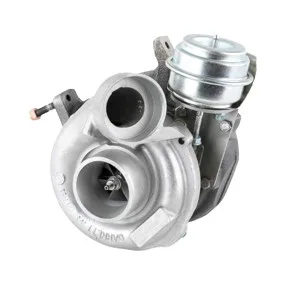
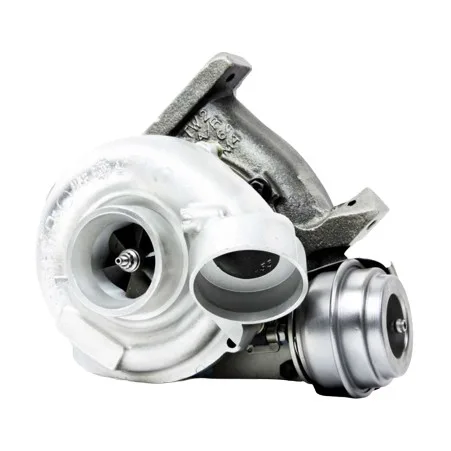
The Mercedes 270 CDI 170 hp turbo exchange standard category addresses the most common failure points in the variable geometry turbocharger (VGT) and CHRA assemblies, where soot buildup, bearing wear, or vane sticking lead to reduced boost pressure and engine derating. This range is designed for workshops needing a reliable, pre-tested alternative to costly OEM replacements, as well as for DIY mechanics and German buyers (DACH) who prioritize compatibility and value over brand loyalty. No installation services are provided—only the remanufactured turbo as an exchange part.
This range is built on a wholesale model where turbos are sourced from specialized remanufacturers, then inspected, cleaned, and tested to meet OEM specifications before being packaged for bulk distribution. The role of the supplier is to bridge the gap between remanufacturing workshops and end-users, ensuring consistent supply without the overhead of direct OEM sourcing. Stock rotation is managed to prioritize fresh cores, avoiding delays for garages with urgent repair schedules.
Professional uses by trade
Different users approach this category with distinct needs: garages require bulk availability and fast turnaround, DIY enthusiasts seek clear compatibility data, and German buyers (DACH) often compare core deposit policies and return processes. Each group benefits from transparent motorization matching and OEM-grade remanufacturing standards.
- Independent garage: Orders turbos in bulk to stock critical models like the 270 CDI 170 hp, reducing downtime for customers with power loss or smoke issues.
- DIY mechanic: Selects a remanufactured turbo based on exact motorization data, ensuring a direct fit without relying on a workshop for installation.
- German buyer (DACH): Compares core deposit policies and return logistics for turbos like SL Turbo 709837-5002S, prioritizing ease of replacement.
- Passionate owner: Researches symptoms such as whining noises or boost leaks to identify the correct turbo variant for their 2010 C-Class with OM646 engine.
- Workshop manager: Plans inventory around high-rotation turbos like SL Turbo 715910-5002S to minimize emergency orders and maintain service schedules.
- Fleet operator: Sources exchange turbos for multiple Mercedes models, leveraging bulk pricing and standardized remanufacturing quality.
- Retail buyer: Purchases a single turbo for a personal project, relying on detailed motorization matching to avoid mismatched parts.
Range comparison
Below are the two core turbos for the Mercedes 270 CDI 170 hp, listed with their exact references and primary use cases to simplify selection for professionals and enthusiasts alike.
| Range | Use | Format |
|---|---|---|
| SL Turbo 709837-5002S | High-rotation model for OM646 engines | |
| SL Turbo 715910-5002S | Direct replacement for OM651 variants |
How to choose
Selecting the right turbo for a 270 CDI 170 hp requires attention to motorization specifics, core condition, and packaging options that suit workshop or personal use.
- Verify the engine code (OM646 or OM651) to match the turbo’s intended application, avoiding mismatches that lead to performance issues.
- Inspect the core deposit policy: some suppliers require a used turbo return within a set timeframe to offset costs.
- Prioritize turbos with documented remanufacturing processes, such as laser-welded vanes or balanced CHRA assemblies for longevity.
- Choose bulk packaging if ordering for a workshop to reduce per-unit costs and streamline inventory management.
- Opt for single-unit formats if the turbo is for a personal project or low-volume repair, ensuring flexibility in handling.
- Check for OEM-grade seals and bearings, as these components determine the turbo’s resistance to soot and heat degradation.
- Confirm compatibility with the vehicle’s model year, as older turbos may lack updates for newer engine management systems.
Storage & logistics
Bulk turbos like SL Turbo 709837-5002S and SL Turbo 715910-5002S are stored in climate-controlled facilities to prevent moisture damage to seals and bearings. Warehouses use vertical racking to maximize space while allowing for FIFO (first-in, first-out) rotation, ensuring fresher cores are dispatched first. Suppliers provide barcoded labels for traceability, linking each unit to its remanufacturing batch and test results. For workshops, this means reduced risk of receiving outdated or improperly stored turbos that could fail prematurely.
With over a decade in turbo remanufacturing, our team has seen how a well-matched exchange turbo can restore a 270 CDI’s performance without the expense of an OEM unit—provided the core is handled with care and returned promptly.— autoKUR team
Related categories
Browse our other ranges:
Useful references
For regulatory and sector references, see Reglement (UE) 461/2010 — pieces de rechange et garantie constructeur.