

Available products
3 references

Frequently asked questions
About this category
This category covers exchange-standard turbos for diesel engines producing around 150 horsepower, commonly found in commercial vehicles and SUVs. These turbos are remanufactured to original specifications, ensuring they meet the performance demands of the 250 Turbo-D platform. Whether you're a mechanic replacing a faulty unit or a car owner restoring power, this range provides a cost-effective alternative to new parts.
The turbos in this range are sourced from reputable remanufacturers and distributed through a network of wholesale partners. Each unit undergoes rigorous testing to confirm its fit and function before being listed, ensuring reliability for both professional and private use. The focus is on compatibility with the 250 Turbo-D 150 hp motorization, covering multiple model years and variants.
Professional uses by trade
Different users approach turbo replacement with distinct priorities. Garages prioritize bulk availability and fast turnaround, while DIY enthusiasts seek clear compatibility and straightforward installation. Private owners often balance cost with immediate availability.
- Independent garage: Replace a failing turbo on a 250 Turbo-D 150 hp with a remanufactured unit to restore engine performance and avoid costly downtime.
- Roadside repair: Swap a damaged turbo for an exchange-standard unit to get a stranded vehicle back on the road quickly and safely.
- DIY mechanic: Install a remanufactured turbo on a project vehicle to improve power output without exceeding a tight budget.
- Commercial fleet manager: Source turbos in bulk to maintain a fleet of 250 Turbo-D vehicles with minimal disruption to operations.
- Classic car restorer: Fit a remanufactured turbo to a vintage diesel engine to enhance drivability while preserving originality.
- Trucking workshop: Keep heavy-duty 250 Turbo-D engines running smoothly by stocking exchange-standard turbos for emergency replacements.
- German-speaking buyer: Find a remanufactured turbo compatible with the 250 Turbo-D 150 hp motorization for reliable repairs in the DACH region.
Range comparison
The following turbos are remanufactured to meet the specifications of the 250 Turbo-D 150 hp motorization. Each unit is tested for performance and fit before being made available for exchange-standard installation.
| Range | Use | Format |
|---|---|---|
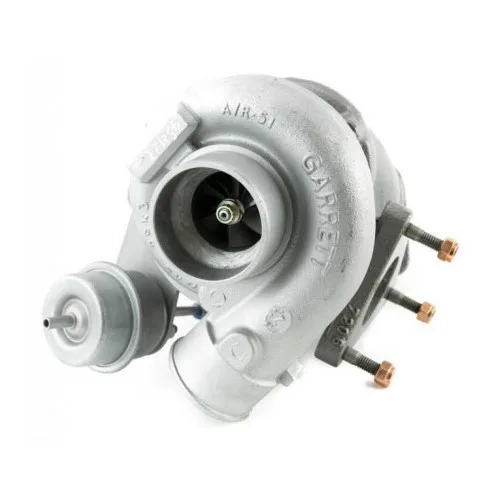
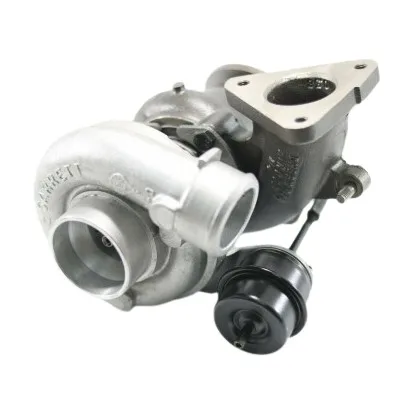
| Turbo Garrett 454110-0001 | Direct replacement for 250 Turbo-D 150 hp | |
| Turbo Garrett 454156-5001S | High-flow option for tuned applications | |
| Turbo Garrett 454203-5001S | OEM-compatible for stock rebuilds |
How to choose
Selecting the right turbo depends on your motorization’s exact requirements and your repair goals. Consider compatibility, expected lifespan, and installation ease when making your choice.
- Verify the motorization code and model year to ensure the turbo matches your engine’s specifications without modifications.
- Check the packaging for clear labeling of the turbo’s intended use, whether for stock replacement or performance tuning.
- Prioritize turbos with a documented history of consistent performance in similar applications to avoid repeat failures.
- Opt for units with a protective coating or finish to resist corrosion during storage and installation.
- Choose turbos from a supplier with a rotating stock to ensure availability when urgent replacements are needed.
- Select a turbo with a warranty or return policy to cover defects or compatibility issues after installation.
- For German-speaking markets, confirm the turbo’s compliance with local emissions and performance standards before purchase.
Storage & logistics
Turbos in this category should be stored in a dry, temperature-controlled environment to prevent moisture damage or corrosion. Avoid stacking units to prevent deformation of the housing or shaft. For bulk orders, use sturdy shelving and label each batch with the motorization code and date of receipt. Regularly rotate stock to ensure older units are used first, maintaining freshness and reliability. Always handle turbos with care to avoid bending the shaft or damaging the compressor wheel, as even minor impacts can affect performance.
Since 2026, our team has been sourcing and validating turbos for the 250 Turbo-D platform, ensuring every unit meets the demands of independent garages and private owners alike.— autoKUR team
Related categories
Browse our other ranges:
Useful references
For regulatory and sector references, see Reglement (UE) 461/2010 — pieces de rechange et garantie constructeur.