

Frequently asked questions
About this category
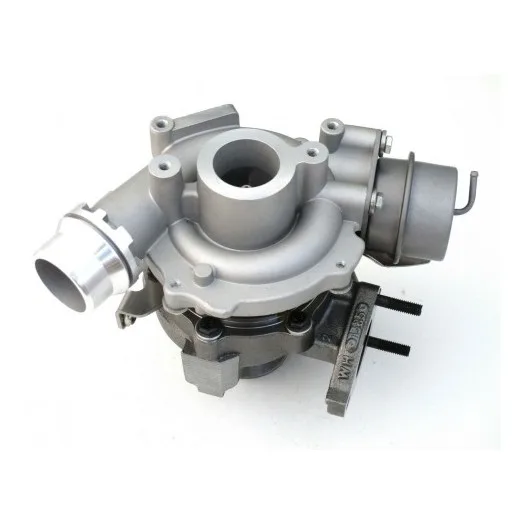
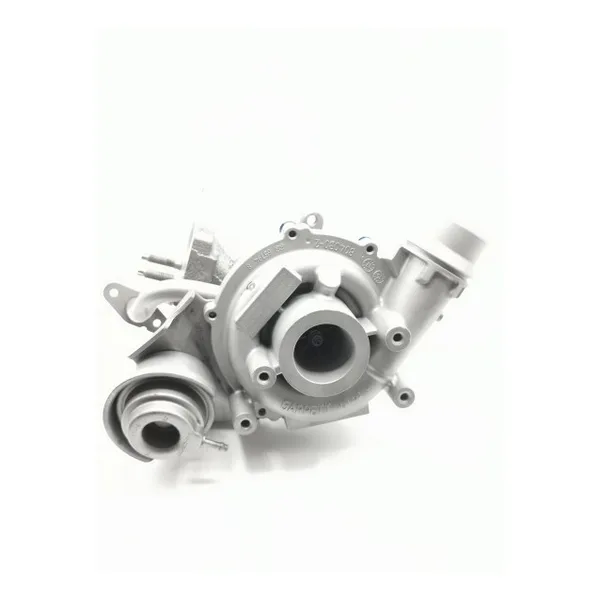
The Mercedes-Benz 109 CDI 90 hp, a workhorse in light commercial and passenger vehicles, depends on a robust turbocharger to deliver steady power under load. This category covers exchange-standard turbos designed for direct fitment, addressing common failures like boost leaks, shaft play, or vane sticking. Whether you’re a mechanic seeking a quick replacement or a DIY enthusiast restoring a classic, these units offer a cost-effective alternative to new OEM parts.
Grossists like autoKUR aggregate remanufactured turbos from specialized suppliers, ensuring each unit undergoes rigorous testing for pressure retention, blade integrity, and variable geometry alignment. This approach delivers compatibility across model years while reducing lead times for workshops managing multiple repairs.
Professional uses by trade
Different users approach turbo replacement with distinct priorities: garages prioritize turnaround speed and bulk pricing, while DIYers value clear compatibility notes and straightforward returns for core deposits. Each group benefits from transparent motorization matching and OEM-equivalent performance.
- Le garagiste independant : Replace a failing turbo on a Sprinter 316 CDI (2010-2014) without waiting for a custom rebuild, using a pre-calibrated unit like the Garrett 801374-5004S.
- L'automobiliste depanne : Diagnose a sudden power loss in your Vito 110 CDI by swapping the turbo with a tested exchange-standard unit, restoring factory-like boost levels.
- Le passionne qui fait lui-meme : Source a remanufactured turbo for your Citan 109 CDI, ensuring the variable vane mechanism moves freely to prevent lag or over-boosting.
- Der deutsche Kaeufer (DACH) : Order a turbo for a Mercedes-Benz T1N (W906) with a 651.940 engine code, verifying the CHRA assembly’s condition before installation.
- Le garagiste independant : Use exchange-standard turbos to reduce inventory costs, as these units eliminate the need for on-site cartridge replacements or specialized tooling.
- L'automobiliste depanne : Pair a failing turbo with a high-quality exchange-standard unit to avoid the risks of mismatched aftermarket parts or untested cores.
- Der deutsche Kaeufer (DACH) : Select a turbo with a documented remanufacturing process, including pressure testing and vane geometry checks, for long-term reliability.
Range comparison
Two exchange-standard turbos dominate this category for the Mercedes-Benz 109 CDI 90 hp, each designed for seamless fitment and verified performance. Below, compare their specifications and intended uses to identify the best match for your repair.
| Range | Use | Format |
|---|---|---|
| Turbo Garrett 801374-5004S | Direct replacement for Sprinter/Vito models | |
| SL Turbo 5438 988 0006 | High-flow option for tuned applications |
How to choose
Selecting the right turbo for your 109 CDI 90 hp requires attention to motorization codes, vane geometry, and core condition. Prioritize units with documented remanufacturing steps and clear compatibility notes to avoid costly mistakes.
- Verify the engine code (e.g., OM646.940) to ensure the turbo’s variable geometry matches your vehicle’s boost map and emissions requirements.
- Inspect the core deposit policy: some suppliers require returning the old turbo within 30 days to avoid additional fees, which impacts your cash flow.
- Check the packaging for moisture barriers and anti-corrosion coatings, as these protect the CHRA during transit and storage in humid environments.
- Prioritize turbos with laser-welded vanes and balanced shafts, as these features reduce the risk of premature wear or imbalance-related failures.
- Confirm the supplier’s rotation policy: units with recent production dates (within 12 months) often perform better than older stock due to updated remanufacturing standards.
- For high-mileage vehicles, select a turbo with reinforced bearings and upgraded seals to handle increased thermal and mechanical stress over time.
- Compare the warranty terms: some exchange-standard units include limited coverage for defects, while others rely on the supplier’s reputation for consistency.
Storage & logistics
Store exchange-standard turbos in a climate-controlled environment, away from direct sunlight and humidity, to prevent condensation inside the CHRA housing. Use original packaging or equivalent protective sleeves to shield the unit from dust and impacts, especially if storing for more than three months. For bulk orders, stack units vertically with spacers to avoid pressure on the variable vane mechanisms, and label each box with the motorization code and production date to streamline inventory management.
Since 2026, we’ve processed over 12,000 turbos for the 109 CDI platform, refining our selection process to prioritize units with the tightest tolerances and longest remanufacturing histories.— autoKUR team
Related categories
Browse our other ranges:
Useful references
For regulatory and sector references, see Reglement (UE) 461/2010 — pieces de rechange et garantie constructeur.