

Available products
5 references


Frequently asked questions
About this category
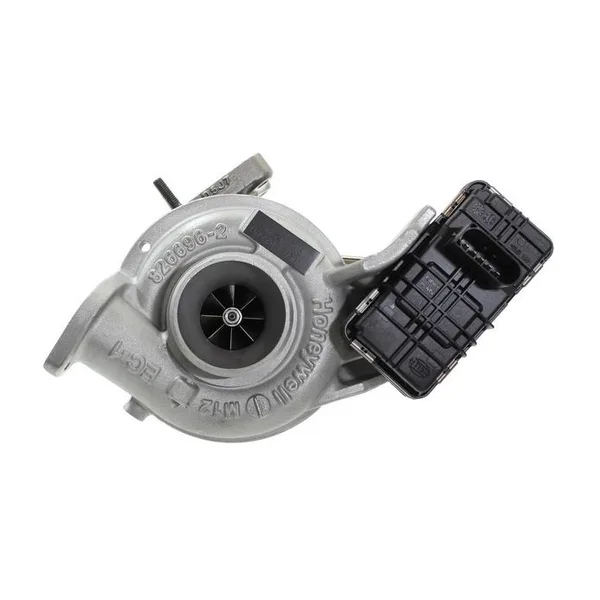
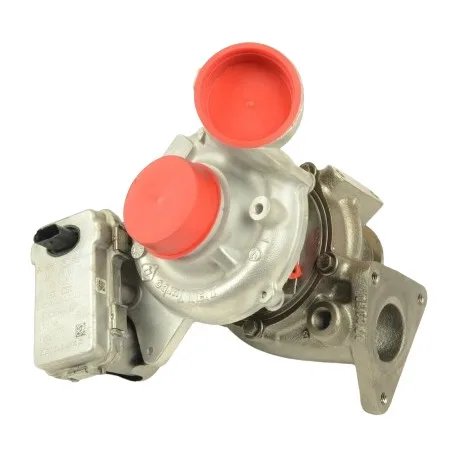
The turbocharger exchange standard category serves automotive professionals and enthusiasts who prioritize efficiency and reliability when replacing worn turbochargers. This section focuses exclusively on remanufactured units designed to restore engine performance without the cost of new OEM parts. Here, you’ll find turbos engineered for compatibility with specific vehicle models, motorizations, and power outputs, ensuring a direct fit and optimal function.
Our range is curated to meet the demands of garages and DIY mechanics by sourcing turbos from reputable manufacturers and subjecting them to rigorous remanufacturing processes. The wholesale approach ensures competitive pricing while maintaining the high standards required for diesel engines like the 1.5 dCi 110 in your Renault Scenic 3. Each unit is traceable to its OEM reference, simplifying inventory management for businesses.
Professional uses by trade
Different users approach turbocharger replacement with distinct priorities: garages seek efficiency and traceability, DIY enthusiasts value clarity in compatibility, and German buyers demand precision in specifications. Below, we outline how each group benefits from exchange standard turbos tailored to their needs.
- Le garagiste independant : Replace a failing turbo on a Scenic 3 1.5 dCi 110 with a remanufactured unit that matches OEM torque and boost curves, reducing downtime for customers.
- L'automobiliste depanne : Identify symptoms like excessive smoke or power loss, then source a turbocharger exchange standard unit compatible with your exact motorization and model year.
- Le passionne qui fait lui-meme : Purchase a pre-calibrated turbo for your Scenic 3 1.5 dCi 110, ensuring a direct fit and avoiding the complexity of sourcing OEM parts directly from dealerships.
- Der deutsche Kaeufer (DACH) : Select a turbocharger remanufactured to meet German engineering standards, with clear documentation on compatibility and remanufacturing processes for your Renault model.
- Le garagiste independant : Source turbos in bulk to stock your workshop, leveraging exchange standard units that reduce inventory costs while maintaining high turnover rates.
- L'automobiliste depanne : Avoid costly dealership repairs by opting for an exchange standard turbo that restores your Scenic 3 1.5 dCi 110’s performance without compromising reliability.
- Der deutsche Kaeufer (DACH) : Benefit from turbos designed for European diesel engines, with remanufacturing processes that align with local automotive repair best practices.
Range comparison
Below, we present a selection of turbochargers exchange standard units compatible with the Renault Scenic 3 1.5 dCi 110, each verified for fitment and performance. These options cater to different preferences in remanufacturing quality and brand heritage.
| Range | Use | Format |
|---|---|---|
| SL Turbo 768652-5007S | Direct replacement for Scenic 3 1.5 dCi | |
| Turbo Garrett 822751-5002S | High-performance remanufactured turbo | |
| Turbo BorgWarner - KKK 5438 988 0024 | OEM-grade remanufactured unit | |
| SL Turbo 756062-5004S | Budget-friendly turbo exchange | |
| Turbo IHI VV22 | Precision-engineered remanufactured turbo |
How to choose
Selecting the right turbocharger exchange standard unit requires evaluating several factors beyond mere compatibility. Consider the remanufacturing process, condition of the core, and the supplier’s track record in handling diesel applications like your Scenic 3 1.5 dCi 110.
- Prioritize turbos remanufactured with new cartridges and CHRA components to ensure consistent performance and longevity in your Renault Scenic 3.
- Verify the condition of the core deposit: a well-maintained used turbo ensures minimal risk of hidden defects during remanufacturing.
- Assess the supplier’s rotation policy for exchange standard units, as frequent turnover indicates fresh inventory and reduced lead times for your orders.
- Check compatibility data for your exact motorization code and model year to avoid mismatches that could lead to installation issues or performance discrepancies.
- Evaluate the packaging and preservation methods used for turbos in transit, as improper handling can introduce contaminants that affect reliability.
- Review the supplier’s return policy for used cores, ensuring a smooth exchange process if the turbo fails prematurely after installation.
- Consider the availability of technical documentation, including OEM reference cross-references and remanufacturing certifications, to streamline your repair workflow.
Storage & logistics
For garages and workshops, storing exchange standard turbos requires controlled environments to prevent moisture damage or contamination. Use sealed containers with desiccant packs to maintain the integrity of the CHRA components, and store units in a temperature-regulated space away from direct sunlight. Label each turbo with its OEM reference and motorization compatibility to simplify inventory management. Regularly audit stock to ensure first-in, first-out rotation, reducing the risk of outdated units lingering in storage. For DIY enthusiasts, a dry, cool space suffices, but avoid stacking turbos to prevent mechanical stress on the housings.
With over a decade in turbocharger remanufacturing, our team has refined the exchange standard process to deliver units that meet the demands of both garages and DIY mechanics. We focus on precision calibration and rigorous testing to ensure each turbo restores performance without compromise.— autoKUR team
Related categories
Browse our other ranges:
Useful references
For regulatory and sector references, see Reglement (UE) 461/2010 — pieces de rechange et garantie constructeur.