


Frequently asked questions
About this category
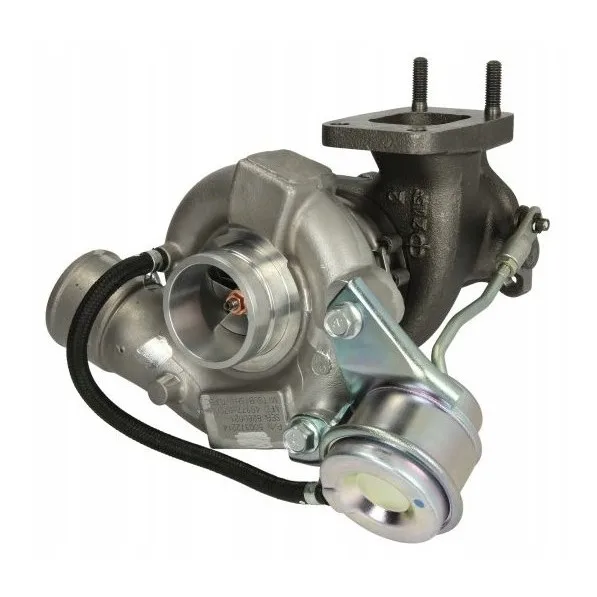
This category covers remanufactured turbochargers for 2.8 TD diesel engines producing 115 kW, a common power output in commercial and passenger vehicles. Whether you’re a mechanic sourcing parts for a fleet or a car owner restoring a project vehicle, you’ll find turbos designed to match original specifications. The focus remains on exchange-standard units, where the core is remanufactured while the housing is reused or replaced to maintain cost efficiency.
The range is built around verified OEM references and aftermarket equivalents, ensuring compatibility across multiple vehicle brands. As a wholesale supplier, we aggregate turbos from specialized remanufacturers, providing a curated selection that meets the technical demands of modern diesel engines. This approach reduces lead times and simplifies the procurement process for professionals.
Professional uses by trade
Different users approach this category with distinct needs: garages prioritize reliability and quick fitment, while DIY enthusiasts seek cost-effective solutions. German buyers, in particular, value precision and long-term durability in remanufactured components.
- Le garagiste independant : Replace a failing turbo on a Renault Master with a remanufactured unit to restore full power without overhauling the engine.
- L'automobiliste depanne : Order an exchange-standard turbo for a Peugeot Boxer to avoid costly downtime during a roadside repair.
- Le passionne qui fait lui-meme : Source a remanufactured turbo for a Ford Transit to complete a restoration project on a tight budget.
- Der deutsche Kaeufer (DACH) : Purchase a high-quality remanufactured turbo for a Mercedes Sprinter to ensure consistent performance in commercial fleets.
- Le garagiste independant : Use a turbo with verified OEM references to maintain warranty compliance for customer vehicles requiring documented parts.
- L'automobiliste depanne : Opt for an exchange-standard turbo when the original unit fails under warranty, ensuring a seamless claim process with the manufacturer.
- Der deutsche Kaeufer (DACH) : Select a remanufactured turbo with a core deposit system to reduce upfront costs while ensuring proper recycling of the old unit.
Range comparison
Below are the two verified turbocharger models available for 2.8 TD 115 kW engines, each designed for exchange-standard applications. These units are sourced from leading remanufacturers to ensure compatibility and durability.
| Range | Use | Format |
|---|---|---|
| SL Turbo 49377-07000 | direct fit for Renault engines | |
| Turbo BorgWarner - KKK 5303 988 0075 | universal diesel application |
How to choose
Selecting the right turbocharger depends on several technical and logistical factors. Professionals should evaluate compatibility, condition, and sourcing to ensure a seamless replacement.
- Verify the engine code and vehicle model to confirm turbo compatibility before ordering, as mismatches can lead to performance issues or damage.
- Check the condition of the core deposit system if applicable, as improper returns may incur additional fees or delays in processing.
- Prioritize turbos with a consistent remanufacturing process, as this ensures long-term reliability and performance in high-mileage engines.
- Opt for units with clear OEM references to simplify warranty claims and maintain compliance with manufacturer standards.
- Evaluate the packaging and preservation methods used during shipping, as improper handling can compromise the turbo’s condition upon arrival.
- Consider the rotation speed and pressure ratings of the turbo to match the engine’s original specifications for optimal efficiency.
- For fleets, choose turbos with a proven track record in similar applications to minimize the risk of premature failure.
Storage & logistics
Proper storage of remanufactured turbos is critical to maintaining their condition before installation. Keep units in a dry, temperature-controlled environment away from contaminants like dust or moisture, which can degrade seals and bearings. For B2B buyers, palletized storage with protective wrapping ensures long-term integrity, while smaller workshops should use sealed containers to prevent corrosion. Always handle turbos with care to avoid damaging the shaft or housing, as even minor impacts can affect performance. If storing for extended periods, rotate inventory to prevent stagnation and ensure freshness.
With over a decade of experience in turbo remanufacturing, our team ensures every unit undergoes rigorous testing before it leaves our warehouse, delivering a consistent quality standard for professionals and enthusiasts alike.— autoKUR team
Related categories
Browse our other ranges:
Useful references
For regulatory and sector references, see Reglement (UE) 461/2010 — pieces de rechange et garantie constructeur.