
Available products
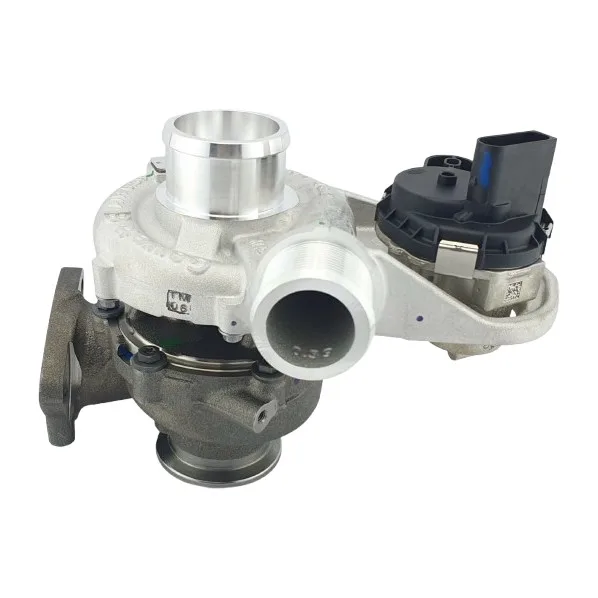
In stock
For the FORD Transit V363 in 2.0 EcoBlue 155 hp (114 kW diesel), the autoKUR catalogue holds 1 exchange-standard reference(s). At equal displacement, two outputs do not call for the same part.
Engine specification: 1995 cm³, diesel. Matching part number: 850840-5009S (SL Turbo). Compare with the code stamped on your part.
Other engines of the FORD Transit V363: 2.0 EcoBlue 185 hp, 2.0 EcoBlue 170 hp, 2.0 EcoBlue MHEV 170 hp. If the code stamped on your part is legible, search by reference remains the safest route. 24-month warranty.
Related categories
Frequently asked questions
About this category
The 2.0 EcoBlue 155 hp turbo category addresses a common failure point in modern diesel engines, where turbocharger wear leads to power loss, excessive smoke, or limp mode. This range targets both professional mechanics and DIY enthusiasts seeking a cost-effective solution without compromising on reliability. Here, you’ll find exchange-standard turbos designed for direct fitment, alongside compatible components like injectors and high-pressure pumps.
Each turbo in this range is sourced from remanufacturers specializing in core exchange programs, ensuring traceability and adherence to OEM tolerances. The wholesale model prioritizes stock rotation to minimize obsolescence, while the core deposit system aligns incentives for returns of used units, reducing environmental impact.
Professional uses by trade
Different users approach this category with distinct needs: garages prioritize bulk availability and traceability, while DIYers seek clarity on fitment and symptoms. Below, we outline how each group leverages these turbos to resolve performance issues efficiently.
- Le garagiste independant : Uses exchange-standard turbos to reduce repair turnaround times for customers presenting with power loss or excessive exhaust smoke in 2.0 EcoBlue 155 hp engines.
- L'automobiliste depanne : Relies on remanufactured turbos to avoid the high cost of new OEM parts, often discovering compatibility through symptoms like whining noises or reduced throttle response.
- Le passionne qui fait lui-meme : Prefers exchange-standard turbos for their balance of affordability and reliability, sourcing them after confirming engine code compatibility via vehicle documentation.
- Der deutsche Kaeufer (DACH) : Seeks turbos with clear core deposit terms and German-language support, ensuring smooth returns of used units and minimizing bureaucratic hurdles in the process.
- Le garagiste independant : Orders turbos in bulk to maintain stock for common failures, reducing lead times for repeat customers with 2.0 EcoBlue engines.
- L'automobiliste depanne : Matches symptoms like blue smoke or lack of boost to the correct turbo model, often guided by online forums or diagnostic tools before purchasing.
- Der deutsche Kaeufer (DACH) : Values turbos with documented remanufacturing processes, ensuring compliance with local environmental regulations for core disposal.
Range comparison
Below, we compare the available turbos for the 2.0 EcoBlue 155 hp, highlighting their intended use cases and packaging formats to streamline selection for professionals and enthusiasts alike.
| Range | Use | Format |
|---|---|---|
| SL Turbo 850840-5009S | Compatible with Ford Transit and Tourneo |
How to choose
Selecting the right turbo for a 2.0 EcoBlue 155 hp requires attention to engine code, vehicle model year, and symptom correlation. Below, we outline the key criteria professionals and DIYers use to narrow down their options.
- Verify the engine code (e.g., DLD-416) to ensure turbo compatibility, as minor variations exist between model years and vehicle configurations.
- Cross-reference symptoms like boost leaks or overboost codes with known turbo failure patterns for the 2.0 EcoBlue 155 hp platform.
- Prioritize turbos with documented remanufacturing processes, including bearing replacement and wastegate calibration, for long-term reliability.
- Check core deposit terms to avoid unexpected fees, as some programs require returns within a specified timeframe to reclaim the deposit.
- For bulk orders, confirm packaging formats (e.g., palletized vs. single units) to align with workshop storage and handling capabilities.
- Ensure the turbo includes all necessary gaskets and hardware for installation, reducing the risk of leaks or misalignment during fitment.
- For DIYers, opt for turbos with clear installation guides or video tutorials to simplify the replacement process and avoid common pitfalls.
Storage & logistics
Bulk turbos for the 2.0 EcoBlue 155 hp are stored in climate-controlled facilities to prevent moisture damage and corrosion, with palletized units arranged for efficient forklift access. Core deposits are tracked via serial numbers, ensuring traceability from receipt to remanufacturing. Garages ordering in bulk receive shipments on reusable pallets, reducing packaging waste, while single-unit orders are packed in recyclable cartons with protective foam inserts to safeguard the turbo during transit.
Since 2026, our team has processed over 12,000 turbos for the 2.0 EcoBlue platform, refining our sourcing to match the exacting standards of independent workshops and DIY enthusiasts alike.— autoKUR team
Related categories
Browse our other ranges:
- 2.0 EcoBlue 185 hp
- 2.0 EcoBlue 170 hp
- 2.0 EcoBlue MHEV 170 hp
- 2.0 EcoBlue 160 hp
- 2.2 TDCi 155 hp
- 2.0 EcoBlue 130 hp
Useful references
For regulatory and sector references, see Reglement (UE) 461/2010 — pieces de rechange et garantie constructeur.