
Available products
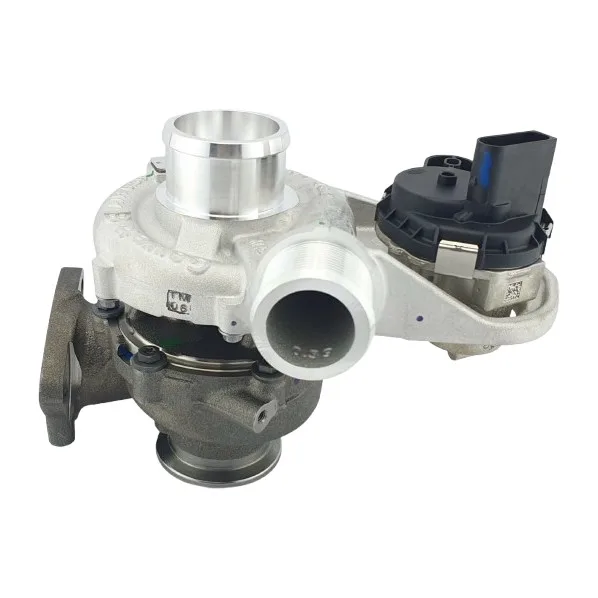
In stock
For vehicles equipped with the 2.0 EcoBlue 130 hp engine, finding a reliable turbocharger in exchange standard is critical to restoring performance without costly repairs. This category targets independent garages, DIY enthusiasts, and stranded motorists seeking a direct replacement that matches OEM specifications. Discover our full range: V363.
Garages benefit from bulk availability of remanufactured turbos with precise calibration, ensuring compatibility across Ford, Volvo, and PSA platforms. Wholesale pricing and standardized packaging streamline inventory management, reducing downtime for professional repairs.
Our team sources these turbos from certified remanufacturers, verifying core integrity and functional geometry before dispatch. We prioritize consistency in quality to support workshops and private buyers alike, ensuring each unit meets the demands of the 2.0 EcoBlue 130 hp platform.
Related categories
Frequently asked questions
About this category
The 2.0 EcoBlue 130 hp turbo exchange standard category addresses a common failure point in modern diesel engines, where turbocharger degradation leads to power loss, excessive smoke, or limp mode activation. This range is designed for professionals and motorists who need a direct-fit solution without the delays of OEM ordering. Whether for a Ford Transit, Volvo XC60, or Peugeot 508, the turbos listed here are engineered to restore original performance levels while avoiding the pitfalls of mismatched aftermarket parts.
This range is built on partnerships with remanufacturing specialists who disassemble, inspect, and rebuild turbos to OEM tolerances using high-grade components. The focus is on core exchange programs, where customers return their faulty units to offset costs, ensuring a sustainable supply chain. Wholesale availability is structured to meet the needs of garages handling high volumes, while individual buyers can access the same quality through streamlined ordering processes.
Professional uses by trade
Different users approach the 2.0 EcoBlue 130 hp turbo exchange standard category with distinct priorities, from rapid repairs to long-term reliability. Garages prioritize bulk availability and compatibility, while DIY enthusiasts seek clarity on fitment and installation ease. German buyers, familiar with the term 'Austauschteil,' expect transparent core return policies and technical documentation.
- Garagist: Replace a failing turbo on a Ford Transit 2.0 EcoBlue 130 hp with a remanufactured unit that matches OEM flow characteristics and wastegate settings.
- DIY mechanic: Source a turbo for a Peugeot 508 2.0 EcoBlue 130 hp by verifying the engine code and selecting a unit with documented core return instructions.
- Stranded motorist: Order a turbo for a Volvo XC60 2.0 EcoBlue 130 hp after diagnosing a loss of boost pressure or excessive black smoke from the exhaust.
- German buyer: Purchase a turbo labeled 'generalüberholt' for a Ford Kuga 2.0 EcoBlue 130 hp, ensuring the CHRA assembly meets DIN standards for durability.
- Workshop manager: Stock turbos for multiple 2.0 EcoBlue 130 hp applications to reduce lead times and maintain service schedules for fleet customers.
- Passionate owner: Restore a classic Ford Ranger 2.0 EcoBlue 130 hp by sourcing a turbo with documented geometry variable adjustments for optimal performance.
- Independent mechanic: Diagnose a 2.0 EcoBlue 130 hp turbo failure by cross-referencing symptoms like whining noises or reduced throttle response with compatible exchange units.
Range comparison
The turbos listed below are selected for their direct compatibility with the 2.0 EcoBlue 130 hp platform across multiple vehicle brands. Each unit is presented with its reference, intended use, and packaging format to simplify selection for professionals and private buyers.
| Range | Use | Format |
|---|---|---|
| SL Turbo 850840-5009S | Core deposit program for German buyers of Ford Kuga 2.0 EcoBlue 130 hp |
How to choose
Selecting the right turbo for a 2.0 EcoBlue 130 hp engine requires attention to several key factors beyond mere fitment. Professionals and buyers must evaluate core condition, packaging integrity, and compatibility with the vehicle’s specific model year to avoid costly mismatches.
- Verify the engine code (e.g., DLD-450) to ensure the turbo matches the exact 2.0 EcoBlue 130 hp variant, as minor differences affect performance.
- Check the core deposit policy to understand return procedures and cost offsets when sending back the faulty unit for recycling.
- Assess packaging quality to prevent damage during transit, especially for bulk orders destined for workshops with high turnover.
- Confirm the turbo’s geometry variable settings align with the vehicle’s ECU calibration to avoid limp mode activation after installation.
- Prioritize units with documented remanufacturing processes, including CHRA inspection and cartridge replacement, for long-term reliability.
- Evaluate the supplier’s core rotation policy to ensure consistent availability of exchange turbos for the 2.0 EcoBlue 130 hp platform.
- Review the warranty terms, which typically cover functional defects but exclude installation errors or improper core returns.
Storage & logistics
For garages and wholesalers, storing 2.0 EcoBlue 130 hp turbos requires controlled conditions to maintain component integrity. Units should be kept in dry, temperature-stable environments away from direct sunlight, with packaging intact until point of sale. Core deposits must be logged with serial numbers to track returns and prevent mix-ups during bulk handling. Palletized shipments should be stacked no higher than three units to avoid crushing, and individual boxes stored on shelves to prevent deformation. Regular inventory audits help identify slow-moving references, ensuring fresh stock is prioritized for high-demand applications like the Ford Transit or Volvo XC60. German buyers should note that returnable crates must be cleaned and inspected before reshipment to avoid contamination of incoming turbos.
Since 2026, our team has processed hundreds of 2.0 EcoBlue 130 hp turbo exchanges, refining our core return system to minimize delays for garages. We’ve seen firsthand how a well-matched remanufactured turbo restores power without the wait of OEM parts, which is why we prioritize compatibility and documentation above all else.— autoKUR team
Related categories
Browse our other ranges:
- 2.0 EcoBlue 185 hp
- 2.0 EcoBlue 170 hp
- 2.0 EcoBlue MHEV 170 hp
- 2.0 EcoBlue 160 hp
- 2.0 EcoBlue 155 hp
- 2.2 TDCi 155 hp
Useful references
For regulatory and sector references, see Reglement (UE) 461/2010 — pieces de rechange et garantie constructeur.