


Frequently asked questions
About this category
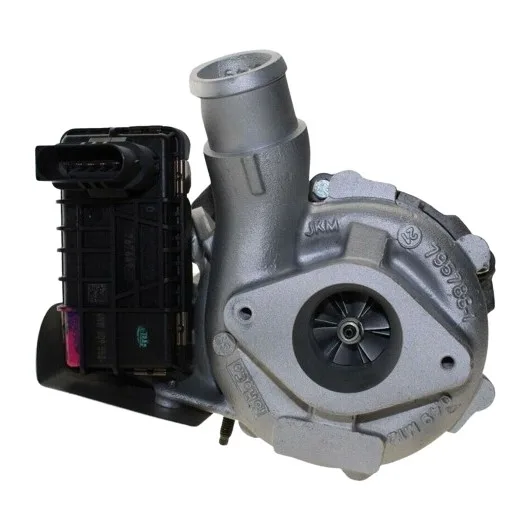
The 2.2 TDCi 155 hp turbocharger category addresses a common failure point in diesel engines, where loss of power, excessive smoke, or unusual noises often signal the need for replacement. This range serves both professional mechanics and DIY enthusiasts who prioritize reliability and cost-effective solutions over brand-new OEM parts. The turbos listed here are designed for direct-fit installation, eliminating the need for complex modifications or additional components.
Curated from a network of specialized remanufacturers, this range is built to meet the exacting standards of the 2.2 TDCi platform, with each unit tested for performance and durability. The wholesale model ensures that garages and distributors receive consistent supply, while the exchange standard approach reduces lead times and environmental impact compared to traditional repair paths.
Professional uses by trade
Different user profiles approach the 2.2 TDCi turbocharger replacement with distinct priorities: garages focus on turnaround efficiency, DIYers seek simplicity, and German buyers demand precision engineering. Each group requires clear compatibility data and straightforward sourcing.
- Le garagiste independant : Replace a failing turbo on a Ford Transit with a remanufactured unit to restore original power output without exceeding labor budgets.
- L'automobiliste depanne : Order an exchange standard turbo for a Land Rover Freelander to avoid costly dealership repairs while ensuring immediate availability.
- Le passionne qui fait lui-meme : Source a direct-fit turbo for a 2012 Ford Ranger to complete the repair in a home workshop with minimal tools.
- Der deutsche Kaeufer (DACH) : Purchase a calibrated turbo for a Ford Transit 2.2 TDCi to meet local workshop standards and benefit from bulk pricing options.
- Le garagiste independant : Use the exchange standard model to minimize downtime for commercial vehicles, ensuring fleet reliability during peak operational periods.
- L'automobiliste depanne : Opt for a remanufactured turbo when the original unit fails under warranty, leveraging the exchange standard process to claim core deposit refunds.
- Der deutsche Kaeufer (DACH) : Select a turbo with documented compatibility to German market specifications, avoiding compatibility issues in high-mileage applications.
Range comparison
Two exchange standard turbos meet the exacting requirements of the 2.2 TDCi 155 hp platform, each designed for seamless integration and long-term reliability.
| Range | Use | Format |
|---|---|---|
| SL Turbo 786880-5021S | Direct replacement for Ford Transit models | |
| SL Turbo 854800-5001W | Land Rover Freelander and Range Rover Evoque fitment |
How to choose
Selecting the right turbo for a 2.2 TDCi 155 hp engine requires attention to compatibility, condition, and core deposit policies, as these factors directly influence repair success and cost efficiency.
- Verify the turbo’s compatibility with your vehicle’s exact model year and engine code to avoid mismatched geometries or electrical connections.
- Inspect the condition of the core deposit unit for signs of damage or excessive wear, as this affects both performance and refund eligibility.
- Prioritize turbos with documented remanufacturing processes, ensuring consistent quality across all critical components like the CHRA and wastegate.
- Check the packaging for protective seals and anti-static measures, which preserve the turbo’s condition during transit and storage.
- Confirm the availability of matching OEM reference numbers in the product listing to simplify ordering and reduce the risk of incorrect fitment.
- Assess the supplier’s core deposit policy, as this can significantly reduce the net cost of the exchange standard unit when returning the old turbo.
- Evaluate the turbo’s rotational direction and wastegate configuration, as these must align with the engine’s original specifications for proper operation.
Storage & logistics
For B2B storage, keep exchange standard turbos in climate-controlled environments away from moisture and direct sunlight, using original packaging or equivalent protective materials. Rotate stock regularly to prevent degradation of seals and bearings, and maintain clear labeling to streamline picking for urgent orders. Ensure that core deposit units are stored separately to avoid confusion and facilitate quick returns when processing refunds.
With over 15 years in turbo remanufacturing, our team has refined the exchange standard process to deliver units that meet or exceed OEM performance benchmarks, backed by a core deposit system that rewards efficiency.— autoKUR team
Related categories
Browse our other ranges:
Useful references
For regulatory and sector references, see Reglement (UE) 461/2010 — pieces de rechange et garantie constructeur.