
Available products
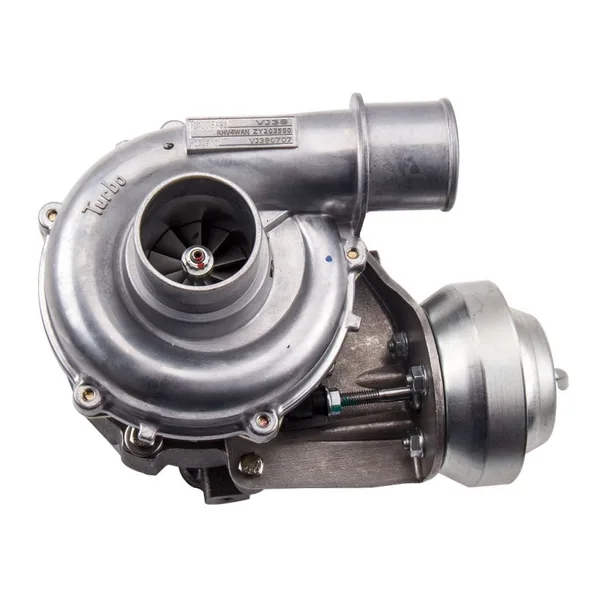
In stock
For vehicles equipped with the 2.5 TDCi 143 hp engine, finding a reliable exchange standard turbo is critical to restoring performance without costly repairs. This category targets independent garages, DIY enthusiasts, and stranded motorists seeking a direct-fit solution that matches OEM specifications. Discover our full range: (ET).
Professionals in the B2B segment benefit from calibrated turbos with consistent quality, bulk packaging for efficient inventory management, and transparent pricing structures aligned with wholesale standards. The focus remains on compatibility and durability, ensuring minimal downtime for workshops.
Our team leverages years of expertise to source turbos that meet the exacting demands of the 2.5 TDCi 143 hp, prioritizing remanufactured units that restore original performance levels while adhering to strict quality benchmarks.
Related categories
Frequently asked questions
About this category
The 2.5 TDCi 143 hp turbo category addresses a common pain point for Ford owners and mechanics: turbocharger failure leading to power loss, excessive smoke, or warning lights. This section consolidates compatible turbos for the 2.5-liter diesel engine, covering models from 2006 to 2014, including the Transit, Ranger, and Galaxy. Each unit is designed for exchange standard installation, eliminating the need for costly OEM replacements.
Curated by a specialist wholesaler, this range ensures garages and motorists access to turbos that meet OEM tolerances without the premium price of new units. The focus is on remanufactured turbos with core deposits, balancing cost efficiency with reliability. Stock rotation and quality control are managed to align with workshop demands.
Professional uses by trade
Different users approach turbo replacement with distinct priorities: garages prioritize bulk availability and fast turnaround, while DIYers seek clear compatibility guides. This section breaks down how each group can leverage the 2.5 TDCi 143 hp turbo range effectively.
- Independent garages: Stock turbos for the 2.5 TDCi 143 hp to reduce lead times and maintain service schedules without compromising on quality.
- Stranded motorists: Order a direct-fit turbo to resolve sudden power loss or excessive exhaust smoke before the issue escalates.
- DIY enthusiasts: Source a remanufactured turbo with clear OEM reference matching to ensure a seamless installation process.
- German buyers (DACH): Access turbos compatible with Ford models sold in the European market, including those with variable geometry for optimal performance.
- Workshop managers: Plan inventory around core deposit policies to minimize upfront costs while ensuring high turnover of exchange turbos.
- Fleet operators: Replace failing turbos in commercial vehicles to restore fuel efficiency and comply with emissions standards.
- Classic car restorers: Find turbos for older 2.5 TDCi models where OEM parts are scarce or prohibitively expensive.
Range comparison
Below, the 2.5 TDCi 143 hp turbo range is presented with key details for each reference, including compatibility notes and packaging formats. This table simplifies selection for professionals and enthusiasts alike.
| Range | Use | Format |
|---|---|---|
| Turbo IHI VJ38 | DIY installation with OEM fitment |
How to choose
Selecting the right turbo for the 2.5 TDCi 143 hp requires attention to several factors beyond basic compatibility. This section outlines the critical criteria professionals and motorists should evaluate to ensure long-term reliability.
- Verify the turbo’s variable geometry mechanism for smooth operation and reduced lag, a key feature in the IHI VJ38 design.
- Check the condition of the core deposit to ensure it meets exchange standards, avoiding hidden defects that could lead to premature failure.
- Assess packaging integrity to prevent damage during transit, especially for bulk orders destined for workshops.
- Confirm the turbo’s compatibility with the vehicle’s model year and engine code to avoid mismatches in fitment.
- Prioritize turbos with a consistent remanufacturing process, as this directly impacts performance restoration and longevity.
- Evaluate the core return policy to align with your workshop’s inventory management and cost control strategies.
- For DIYers, opt for units with clear installation guides and OEM reference matching to simplify the replacement process.
Storage & logistics
Proper storage of exchange standard turbos is essential to maintain their condition before installation. Keep units in a dry, temperature-controlled environment to prevent corrosion or seal degradation. For bulk orders, use sturdy packaging with protective inserts to avoid physical damage during handling. Rotate stock regularly to ensure fresher units are used first, aligning with the core deposit return timeline. Always inspect turbos upon receipt for signs of transit damage or moisture exposure before shelving.
With over a decade of sourcing turbos for the 2.5 TDCi 143 hp, our team has refined the process to deliver units that restore performance without the premium of new parts. Every turbo in this range undergoes rigorous checks to ensure it meets the demands of both garages and DIYers.— autoKUR team
Related categories
Browse our other ranges:
Useful references
For regulatory and sector references, see Reglement (UE) 461/2010 — pieces de rechange et garantie constructeur.