

Frequently asked questions
About this category
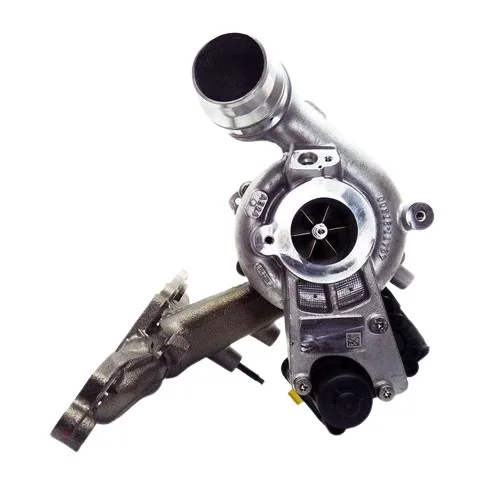
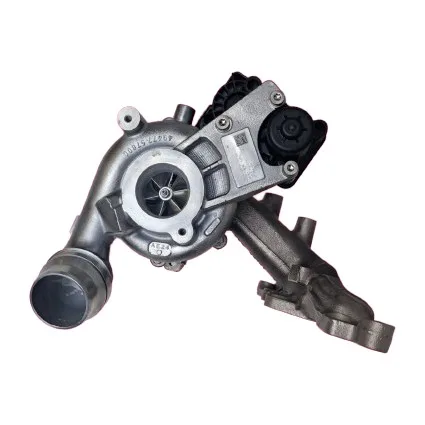
The 2.0 EcoJet 110 hp turbo category addresses a common pain point for drivers and mechanics: the need for a high-quality, cost-effective replacement for worn or failing turbochargers and associated components. This range is designed for motorists experiencing power loss, excessive smoke, or unusual noises, as well as professionals requiring dependable parts for repairs. The focus remains on exchange standard solutions that restore engine performance without the expense of new OEM parts.
This category is curated to meet the demands of both independent workshops and private motorists, offering a curated selection of remanufactured turbos and high-pressure components. The parts are sourced from reputable suppliers and undergo rigorous testing to ensure they meet or exceed OEM standards. The role of the wholesaler is to streamline access to these critical components, reducing downtime and repair costs.
Professional uses by trade
Understanding how to use these components effectively is essential for both professionals and DIYers. Whether replacing a failing turbo or upgrading for better performance, the right part must align with the vehicle’s motorization and power output. This section outlines practical applications for garages, motorists, and enthusiasts.
- Le garagiste independant : Replace a worn 2.0 EcoJet 110 hp turbo with a remanufactured unit to restore vehicle performance and avoid costly downtime during repairs.
- L'automobiliste depanne : Source a direct-fit turbo for a Renault or Dacia model to resolve power loss or excessive smoke without visiting a dealership.
- Le passionne qui fait lui-meme : Install a compatible turbocharger from this category to improve engine responsiveness and fuel efficiency in a project vehicle.
- Der deutsche Kaeufer (DACH) : Purchase a high-quality exchange standard turbo for a Volkswagen or Skoda 2.0 EcoJet 110 hp to ensure long-term reliability and performance.
- Le garagiste independant : Use a pre-tested injector or high-pressure pump from this range to address fuel delivery issues in a 2.0 EcoJet 110 hp engine.
- L'automobiliste depanne : Find a budget-friendly turbo replacement for a Peugeot or Citroen model to avoid the expense of a new OEM part.
- Der deutsche Kaeufer (DACH) : Source a remanufactured turbo for an Audi or Seat 2.0 EcoJet 110 hp to maintain factory-like performance at a fraction of the cost.
Range comparison
This section presents the available turbos and high-pressure components for the 2.0 EcoJet 110 hp motorization, listed by reference for easy identification and comparison. Each part is selected for its compatibility and remanufacturing quality.
| Range | Use | Format |
|---|---|---|
| SL Turbo 49131-07400 | Renault/Dacia 2.0 EcoJet turbo | |
| Turbo Mitsubishi 49131-07430 | Mitsubishi 2.0 EcoJet turbo |
How to choose
Selecting the right turbo or high-pressure component for the 2.0 EcoJet 110 hp requires attention to compatibility, condition, and intended use. This section outlines key criteria to guide professionals and motorists in making an informed choice.
- Verify the motorization code and OEM reference to ensure the turbo matches the vehicle’s engine specifications and power output.
- Inspect the condition of the turbocharger, including the CHRA and variable geometry, for signs of wear or damage before installation.
- Check the packaging and preservation of the part to confirm it has been stored in a controlled environment and is free from contamination.
- Assess the rotation and stock availability of the part to avoid delays in repair or replacement projects.
- Compare the price per unit for bulk orders to determine the most cost-effective solution for workshops or private buyers.
- Evaluate the remanufacturing process used for the turbo, including core testing and quality control measures.
- Consider the return policy for core deposits, ensuring the process is straightforward and compliant with local regulations.
Storage & logistics
Proper storage and handling of turbos and high-pressure components are critical to maintaining their condition before installation. These parts should be kept in a dry, temperature-controlled environment to prevent corrosion or damage to seals and bearings. For professionals, organizing inventory by motorization and reference ensures quick access and reduces the risk of misplacement. Regular stock rotation is essential to avoid obsolescence and ensure parts are used within their optimal shelf life.
With over a decade of experience in sourcing and remanufacturing turbos, our team understands the critical role these components play in engine performance. We prioritize accuracy, durability, and compatibility to deliver parts that meet the demands of both professionals and motorists.— autoKUR team
Related categories
Browse our other ranges:
Useful references
For regulatory and sector references, see Reglement (UE) 461/2010 — pieces de rechange et garantie constructeur.