

Available products
3 references


Frequently asked questions
About this category
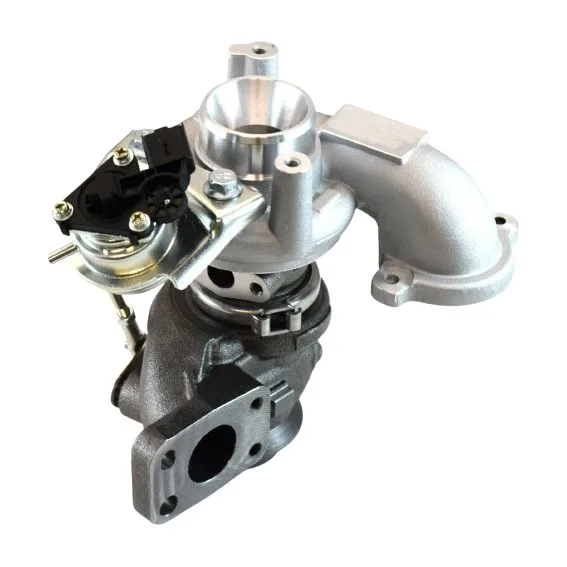
The 1.6 Multijet 90 hp turbocharger category serves as a specialized resource for owners and technicians dealing with turbocharger failures in diesel engines of this specification. This range includes remanufactured units designed to replace worn or damaged turbos, ensuring restored engine efficiency and power output. Compatibility spans multiple vehicle makes and models, with each unit tested for performance and longevity before distribution.
Curated by a wholesale specialist with deep industry knowledge, this turbocharger range is built on a foundation of standardized cores and rigorous remanufacturing processes. The focus remains on delivering products that meet OEM performance benchmarks while offering a sustainable alternative to new part purchases. Each unit undergoes multi-stage validation to ensure it meets the demands of professional garages and DIY mechanics alike.
Professional uses by trade
Different user profiles rely on this turbocharger range for distinct purposes, from emergency repairs to routine maintenance. Independent garages prioritize reliability and compatibility, while DIY enthusiasts seek cost-effective solutions for self-repairs. German buyers, in particular, value precision-engineered components that align with local automotive standards.
- Le garagiste independant : Replace a failing turbo on a 1.6 Multijet 90 hp engine with a remanufactured unit to minimize vehicle downtime and maintain customer trust.
- L'automobiliste depanne : Source a direct-fit turbocharger to restore power and reduce smoke emissions after diagnosing turbo failure symptoms.
- Le passionne qui fait lui-meme : Purchase an exchange standard turbo to perform a DIY replacement, avoiding costly workshop fees while ensuring quality.
- Der deutsche Kaeufer (DACH) : Select a turbocharger designed for German-engineered diesel platforms, ensuring compatibility with local vehicle fleets and repair practices.
- Le garagiste independant : Use standardized cores to streamline inventory management and reduce lead times for common turbo failures.
- L'automobiliste depanne : Find a turbo with verified OEM specifications to ensure seamless installation and long-term reliability.
- Der deutsche Kaeufer (DACH) : Rely on a remanufactured turbo that meets local automotive industry standards for durability and performance.
Range comparison
The following turbocharger models are available for the 1.6 Multijet 90 hp platform, each designed to meet specific vehicle and engine requirements. These units are offered in exchange standard format, ensuring a direct replacement for failed turbos.
| Range | Use | Format |
|---|---|---|
| SL Turbo 5435 988 7000 | Direct replacement for Fiat, Alfa Romeo, and Lancia applications | |
| SL Turbo 49173-07508 | Fits Jeep and Chrysler diesel engines with 1.6 Multijet 90 hp | |
| SL Turbo 49373-02013 | Compatible with PSA Group vehicles featuring the 1.6 HDi engine |
How to choose
Selecting the right turbocharger for the 1.6 Multijet 90 hp engine requires attention to several key factors. Compatibility with the vehicle’s exact motorization and power output is paramount, as is the condition of the core and its remanufacturing standards.
- Verify the turbocharger’s compatibility with your vehicle’s motorization code to avoid installation mismatches and performance issues.
- Inspect the core’s condition and remanufacturing process to ensure it meets industry standards for durability and reliability.
- Check the packaging and labeling for clear OEM reference numbers to confirm a direct-fit replacement for your engine.
- Prioritize turbos with standardized cores to simplify inventory management and reduce lead times for garages.
- Assess the remanufacturer’s reputation for quality control, as this directly impacts the turbo’s long-term performance.
- Confirm the turbo’s suitability for your vehicle’s power output to prevent overloading or underperformance post-installation.
- Evaluate the return policy for used cores to ensure compliance with local waste management and recycling regulations.
Storage & logistics
For professional garages and distributors, proper storage of exchange standard turbos is essential to maintain their condition and performance. Units should be kept in a climate-controlled environment, away from moisture and direct sunlight, to prevent corrosion or damage to internal components. Inventory rotation is critical to ensure older stock is used first, reducing the risk of obsolescence. Additionally, clear labeling and segregation by vehicle compatibility help streamline picking and reduce errors during order fulfillment. Regular inspections of stored turbos can identify potential issues before they impact performance.
With over a decade in the turbo remanufacturing industry, our team ensures every 1.6 Multijet 90 hp unit meets rigorous standards before leaving our facility, delivering consistent quality that garages and motorists can trust.— autoKUR team
Related categories
Browse our other ranges:
Useful references
For regulatory and sector references, see Reglement (UE) 461/2010 — pieces de rechange et garantie constructeur.