


Frequently asked questions
About this category
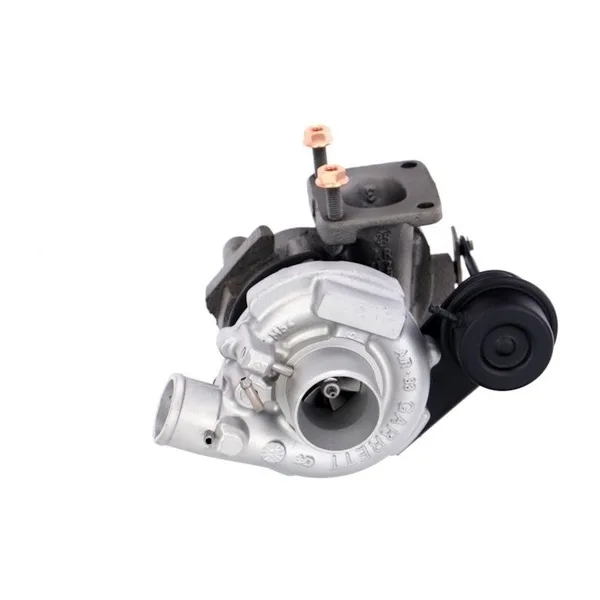
The 1.9 JTD 105 hp turbo exchange standard category serves owners of vehicles equipped with this specific diesel engine configuration, including models from Alfa Romeo 147, 156, and 166, Fiat Bravo/Brava, Lancia Lybra, and others. This range includes remanufactured turbocompressors designed to restore lost power, reduce smoke emissions, and eliminate whistling noises caused by wear. The turbos are engineered for direct replacement, ensuring seamless integration with the original engine setup.
This category is curated by a specialized wholesaler with deep ties to the European automotive aftermarket, sourcing turbos from manufacturers with proven track records in remanufacturing. The focus is on balancing affordability with reliability, ensuring that each unit undergoes rigorous testing before reaching the customer. The role of the wholesaler is to bridge the gap between high-volume production and the specific needs of independent garages and DIY mechanics.
Professional uses by trade
Different users approach the 1.9 JTD 105 hp turbo exchange standard category with distinct priorities. Independent garages seek efficiency and consistency, while DIY enthusiasts value accessibility and cost savings. German buyers, in particular, prioritize precision and long-term reliability in their repairs.
- Independent garage: Replace worn turbos to restore engine performance and avoid costly downtime for customers.
- DIY enthusiast: Source a remanufactured turbo to complete repairs at home, saving on labor costs.
- German buyer: Select a turbo with precise fitment for Alfa Romeo or Fiat models, ensuring compatibility with local workshop standards.
- Fleet manager: Maintain vehicle performance across a company car fleet by stocking exchange-standard turbos.
- Classic car restorer: Find a turbo that matches original specifications for restored vehicles requiring period-correct parts.
- Trucking company: Equip service vehicles with reliable turbos to minimize unexpected breakdowns on the road.
- Performance tuner: Upgrade or replace the turbo to enhance power output while maintaining reliability.
Range comparison
The following turbos are available for the 1.9 JTD 105 hp category, each designed to meet the demands of professional and private users. These options are selected for their proven performance and compatibility with the specified engine configuration.
| Range | Use | Format |
|---|---|---|
| SL Turbo 708847-5002S | Direct fit for Alfa Romeo 156 | |
| Turbo Garrett 701796-5001S | Universal fit for Fiat Bravo |
How to choose
Selecting the right turbo for the 1.9 JTD 105 hp engine requires attention to several key factors. Compatibility, condition, and packaging all play a role in ensuring a successful repair or upgrade.
- Verify the turbo's compatibility with your vehicle's exact model year and engine code to avoid mismatches.
- Check the condition of the turbo: remanufactured units should show no signs of excessive wear or damage.
- Opt for turbos packaged in sturdy, protective materials to prevent transit damage during shipping.
- Prioritize turbos from brands with a reputation for consistent quality and long service life.
- Ensure the turbo includes all necessary mounting hardware and gaskets for a complete installation.
- Confirm the availability of core deposit options if returning a used turbo for recycling.
- Review the turbo's rotation and geometry specifications to match the original engine setup.
Storage & logistics
For B2B buyers, proper storage of exchange-standard turbos is essential to maintain their condition until installation. Store units in a dry, temperature-controlled environment away from direct sunlight and contaminants. Avoid stacking turbos to prevent deformation of the housing or shaft. Regularly inspect inventory for signs of moisture or corrosion, and rotate stock to ensure older units are used first. For garages, keeping a small buffer of commonly used turbos can reduce lead times for urgent repairs, while larger warehouses may benefit from automated inventory systems to track usage and reorder points.
With over 15 years in the turbo remanufacturing industry, our team has seen how a single worn turbo can disrupt a vehicle's performance. We don’t just sell parts; we provide solutions that keep engines running smoothly, whether for a weekend DIY project or a busy workshop schedule.— autoKUR team
Related categories
Browse our other ranges:
Useful references
For regulatory and sector references, see Reglement (UE) 461/2010 — pieces de rechange et garantie constructeur.