


Frequently asked questions
About this category
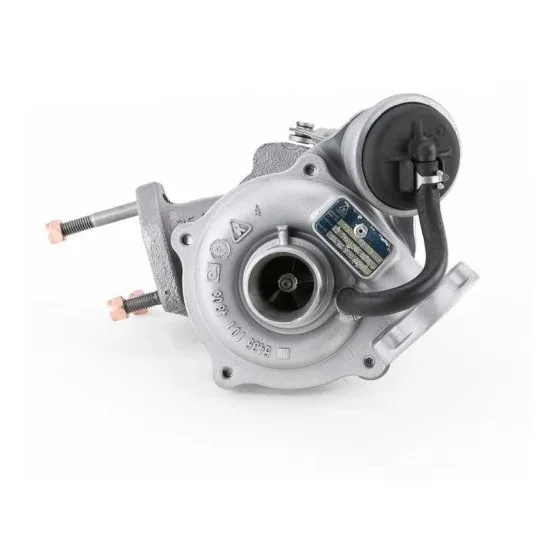
This category serves owners and professionals dealing with Fiat’s 1.3 Multijet 75 HP diesel engines, a motorization known for its efficiency but sensitive to turbo failure symptoms like lag, whistling noises, or sudden power drops. Here, you’ll find reconditioned turbos designed as direct-fit exchange parts, eliminating the need for costly OEM replacements while restoring original performance levels. The range covers multiple model years and vehicle applications, ensuring broad compatibility for both passenger cars and light commercial vehicles.
The lineup is built around core exchange turbos, where each unit undergoes a standardized remanufacturing process that includes cleaning, inspection, and replacement of worn components like bearings, seals, and variable geometry mechanisms. As a wholesale supplier, we focus on bulk availability and logistical efficiency, allowing garages to maintain stock levels without tying up capital in slow-moving inventory.
Professional uses by trade
Different users approach this category with distinct needs: garages prioritize bulk availability and fast turnaround, while DIY enthusiasts seek clear compatibility data and return policies for used cores. German buyers, in particular, value transparent core deposit systems and documentation in their language.
- Le garagiste independant : Orders turbos in bulk to replace failing units during routine diagnostics, minimizing vehicle downtime and leveraging core deposit systems to reduce upfront costs.
- L'automobiliste depanne : Seeks a direct replacement for a faulty turbo, often after noticing symptoms like sluggish acceleration or blue-tinged exhaust smoke, and prefers a hassle-free return process for the old part.
- Le passionne qui fait lui-meme : Researches exact fitment details for their 1.3 Multijet engine, cross-referencing OEM codes and aftermarket equivalences to ensure a successful DIY installation without professional assistance.
- Der deutsche Kaeufer (DACH) : Values clear documentation in German, including core deposit instructions and warranty terms, while ensuring the turbo’s variable geometry matches the engine’s original specifications.
- Le garagiste independant : Relies on suppliers that provide pre-verified turbos with documented remanufacturing steps, reducing the risk of comebacks due to premature failure or mismatched geometry.
- L'automobiliste depanne : Prefers turbos sold with a core deposit option, allowing them to return the old unit without additional fees, simplifying the replacement process.
- Der deutsche Kaeufer (DACH) : Looks for turbos labeled with German terms like 'generalüberholt' or 'Austauschteil,' ensuring alignment with local market expectations for terminology and quality standards.
Range comparison
Below, you’ll find the two core turbos for the 1.3 Multijet 75 HP range, listed with their exact fitment details and bulk packaging options to streamline procurement for professionals and DIY users alike.
| Range | Use | Format |
|---|---|---|
| SL Turbo 5435 988 0005 | Direct replacement for Fiat Panda and Qubo models | |
| SL Turbo 5435 988 0018 | Fits Fiat 500, Punto, and Doblo variants |
How to choose
Selecting the right turbo for a 1.3 Multijet 75 HP engine requires attention to several key factors, from OEM code matching to the condition of the variable geometry mechanism. Professionals should also verify core deposit policies and packaging durability for long-term storage.
- Verify the OEM reference and engine code to ensure the turbo’s geometry and flow characteristics match the original unit, preventing performance mismatches or premature wear.
- Inspect the condition of the variable geometry mechanism, as damaged vanes or actuators can lead to erratic boost levels or complete failure shortly after installation.
- Check the core deposit policy, as some suppliers offer partial refunds for returned cores, reducing the net cost of the replacement turbo and simplifying logistics.
- Prioritize turbos packaged in sturdy, moisture-resistant materials to prevent corrosion during storage, especially for garages that maintain large inventories.
- Confirm the turbo’s compatibility with the vehicle’s model year and trim level, as minor variations in engine tuning can affect fitment and performance.
- Assess the supplier’s remanufacturing process documentation, as turbos with documented CHRA rebuilds and seal replacements offer longer service life and fewer comebacks.
- For DIY users, choose turbos with clear installation guides and torque specifications, reducing the risk of installation errors that could damage the engine or turbo.
Storage & logistics
Bulk turbos for the 1.3 Multijet 75 HP range should be stored in a climate-controlled environment, away from direct sunlight and humidity, to prevent corrosion of the CHRA components and degradation of seals. Garages should rotate stock based on expiry dates for core deposits, ensuring older units are sold or returned before deposit deadlines. Palletized crates should be stacked no higher than three units to avoid crushing damage, while individual cartons must remain sealed until use to prevent contamination from dust or workshop debris. Regular inventory audits help identify turbos with approaching core deposit deadlines, allowing proactive sales to customers before penalties apply.
Since 2026, our team has specialized in sourcing and remanufacturing turbos for the 1.3 Multijet platform, ensuring every unit meets the strict tolerances required for consistent boost delivery and longevity in daily driving conditions.— autoKUR team
Related categories
Browse our other ranges:
Useful references
For regulatory and sector references, see Reglement (UE) 461/2010 — pieces de rechange et garantie constructeur.