

Frequently asked questions
About this category
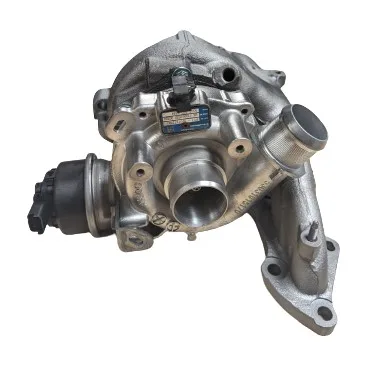
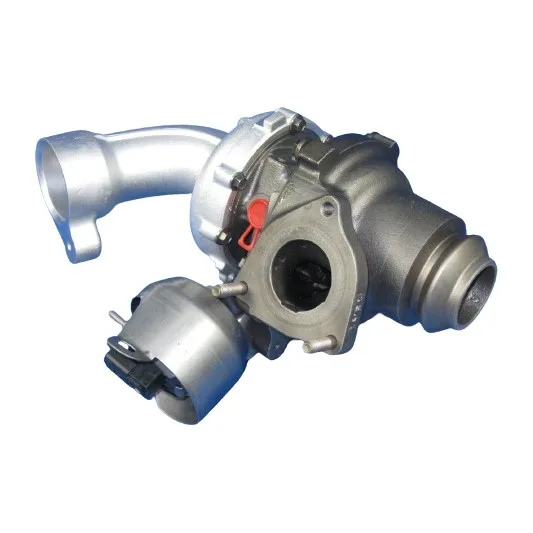
This category brings together the reconditioned turbochargers built for the 2.0 BlueHDi 150 hp engine, one of the most common diesel units fitted across the PSA range during recent years. It is meant for anyone working from the engine itself rather than a parts catalogue: an independent garage diagnosing a loss of power, a driver whose vehicle has dropped into limp mode, or an owner planning to fit the replacement personally. Two exchange units cover this application, distinguished by manufacturer rather than by specification, since both are built against the same engine code.
The range is kept deliberately narrow rather than broad: instead of stocking every turbocharger loosely described as compatible, this category holds only the units verified against the 2.0 BlueHDi 150 hp code, sourced as standard-exchange cores rather than new manufacture. That distinction matters when comparing a listing by brand name alone — SL Turbo and BorgWarner-KKK are both remanufactured on this application, and the difference between them sits in manufacturing origin, not in the engine data behind the reference.
Professional uses by trade
The same turbocharger reference gets ordered for different reasons depending on who is buying it. A workshop schedules the swap as part of a diagnosis, a driver needs the vehicle back on the road, and an owner working alone in a home garage plans the job around a weekend. Each starting point changes what matters most in the part.
- Independent garage: A workshop checks the exact engine code on the vehicle, then orders the matching turbocharger before scheduling the exchange.
- Stranded driver: A car stuck in limp mode after a loss of power often points back to this same turbocharger reference.
- DIY enthusiast: Someone comfortable working under the bonnet compares the SL Turbo and BorgWarner references before deciding which unit to fit themselves.
- German buyer (DACH): A reader searching in German still lands on this same engine-code category, since the compatibility data does not change by market.
- Independent garage: Ordering a second unit alongside the first covers a workshop handling more than one BlueHDi 150 hp vehicle in the same week.
- DIY enthusiast: Reading the exact reference on the old core before ordering avoids fitting a turbocharger built for a different engine variant.
Range comparison
Two reconditioned references cover the 2.0 BlueHDi 150 hp application, differing by manufacturer rather than by fitment. The table below sets out what each one is built for and how it is supplied, so a buyer can compare them on the same terms.
| Range | Use | Format |
|---|---|---|
| SL Turbo 806497-5001S | standard exchange replacement | |
| Turbo BorgWarner - KKK 5303 988 0394 | direct fit replacement |
How to choose
Choosing between two references built for the same engine code comes down to a handful of practical checks rather than brand preference alone. The points below cover what a buyer, professional or not, typically verifies before placing the order.
- Match the engine code on the old unit or in the vehicle documents before ordering, rather than relying on the model year alone.
- Check that the reference number on the packaging matches the one confirmed against the vehicle, since two visually similar turbochargers can serve different variants.
- Ask whether the deposit or core exchange terms apply before ordering, since a standard-exchange turbocharger typically requires the old unit to be returned.
- Inspect the geometry mechanism described for a variable-nozzle turbocharger, since a mismatch here causes drivability faults even when the reference otherwise fits.
- Favour a workshop or supplier that keeps recent stock moving rather than parts held in storage for an extended period before sale.
- Verify that the CHRA and actuator described match the original part, since some listings bundle a bare cartridge rather than a complete assembly.
Storage & logistics
Reconditioned turbochargers are precision assemblies, and how they sit between remanufacture and fitting affects how they perform once installed. Good practice keeps each unit's oil and air ports capped to stop dust or moisture entering the CHRA, stores the part upright to avoid strain on the shaft and bearings, and avoids stacking weight on the housing. Temperature swings and damp conditions are best avoided over long periods. For a workshop managing several references at once, rotating older stock ahead of newer arrivals reduces the time any single turbocharger spends sitting between remanufacture and the vehicle it is fitted to.
Since 2026, our focus with this catalogue has been matching each turbocharger to its exact engine code rather than listing broadly compatible parts. For the 2.0 BlueHDi 150 hp, that means SL Turbo and BorgWarner sit side by side, verified against the same reference.— autoKUR team
Related categories
Browse our other ranges:
Useful references
For regulatory and sector references, see Reglement (UE) 461/2010 — pieces de rechange et garantie constructeur.