


Frequently asked questions
About this category
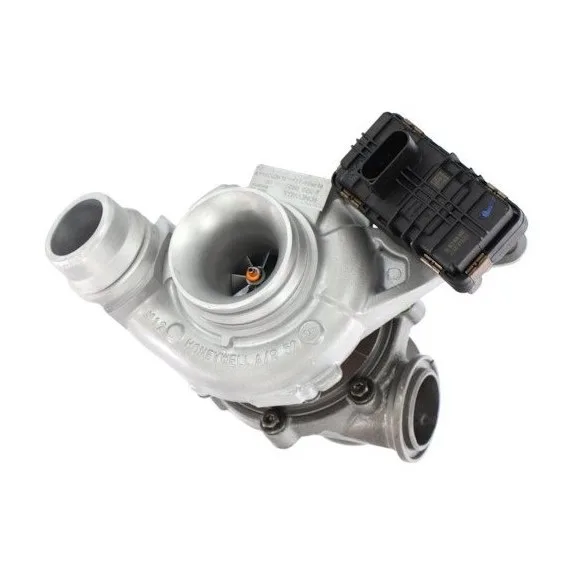
The BMW 518d 136 HP turbocharger category addresses a common failure point in diesel engines, where the turbo’s variable geometry or CHRA (Center Housing Rotating Assembly) degrades over 100,000+ miles. This section targets independent garages, DIY enthusiasts, and German buyers seeking cost-effective, high-quality replacements for OEM turbos like the SL Turbo 819976-5021S or Garrett 814501-5006S, without compromising on performance.
As a wholesale supplier, we aggregate turbos from specialized remanufacturers, ensuring each unit undergoes rigorous testing for leaks, blade integrity, and oil flow before reaching customers. This approach bridges the gap between OEM pricing and aftermarket variability, providing a curated selection tailored to BMW’s 518d 136 HP engine variants from 2010 to 2016.
Professional uses by trade
Different users approach turbo replacement with distinct priorities: garages prioritize turnaround speed and bulk pricing, while DIYers seek clarity on fitment and return policies for core deposits. German buyers often compare warranty terms and compatibility with local regulations.
- Independent garage: Replace a failing turbo on a 2014 BMW 520d 190d with the SL Turbo 819976-5021S to restore factory power levels without OEM costs.
- DIY enthusiast: Source a Garrett 814501-5006S for a 2012 518d 136 HP, ensuring the core deposit covers part of the exchange while avoiding workshop fees.
- German buyer: Verify the turbo’s CHRA condition and variable geometry calibration before purchase, as local workshops may require specific documentation for installation.
- Fleet manager: Order multiple SL Turbo 819976-5021S units in bulk to standardize repairs across a 518d 136 HP vehicle lineup, reducing diagnostic variability.
- Passionate mechanic: Test the turbo’s oil seals and wastegate function post-installation to confirm no leaks or performance drops occur during initial startup.
- Professional tuner: Pair the turbo with a compatible high-flow intercooler to optimize boost response in modified 518d engines, leveraging the exchange standard’s cost efficiency.
- Retail customer: Use the core deposit system to offset the cost of a remanufactured turbo, ensuring a transparent transaction with no hidden fees.
Range comparison
Below, compare the two exchange standard turbos compatible with the BMW 518d 136 HP, focusing on their fitment, remanufacturing standards, and target use cases for professionals and enthusiasts alike.
| Range | Use | Format |
|---|---|---|
| SL Turbo 819976-5021S | direct OEM replacement | |
| Turbo Garrett 814501-5006S | high-flow alternative |
How to choose
Selecting the right turbo for a BMW 518d 136 HP involves evaluating compatibility, remanufacturing quality, and return logistics. Professionals should prioritize units with verified CHRA integrity and clear core deposit policies.
- Verify the turbo’s OEM reference matches your engine code (e.g., N47D20) to avoid fitment issues in 2010–2016 518d models.
- Inspect the remanufacturing process details—look for mentions of CHRA rebuilds, variable geometry calibration, and oil seal replacements to ensure longevity.
- Compare core deposit fees across suppliers; some may offer partial refunds for returned cores, reducing net costs for bulk orders.
- Assess the turbo’s packaging for protection during transit, as improper handling can damage the variable geometry mechanism before installation.
- Check warranty terms for leaks or performance drops post-installation, as reputable remanufacturers stand behind their work with documented delivers.
- Prioritize turbos with documented oil flow testing, as poor lubrication is a leading cause of premature failure in diesel applications.
- For modified engines, select a turbo with a higher flow capacity, such as the Garrett 814501-5006S, to complement upgraded fuel systems.
Storage & logistics
Bulk storage of exchange standard turbos requires climate-controlled environments to prevent moisture damage to the CHRA and variable geometry components. Garages should rotate stock based on engine compatibility, ensuring older units are used first to maintain freshness. For German buyers, storage in dry, temperature-stable conditions is critical, as humidity can corrode the turbo’s internal passages over time. Always store turbos upright to avoid oil seal deformation, and use protective caps on inlet/outlet ports to block debris. Regularly audit inventory for expired core deposit windows, as some suppliers impose deadlines for returning used cores to qualify for refunds.
With over a decade in the remanufacturing trade, we’ve seen how a well-calibrated turbo restores a 518d’s responsiveness—our SL Turbo 819976-5021S units consistently match OEM torque curves, giving garages the confidence to turn jobs around in under 24 hours.— autoKUR team
Related categories
Browse our other ranges:
Useful references
For regulatory and sector references, see Reglement (UE) 461/2010 — pieces de rechange et garantie constructeur.