
Available products
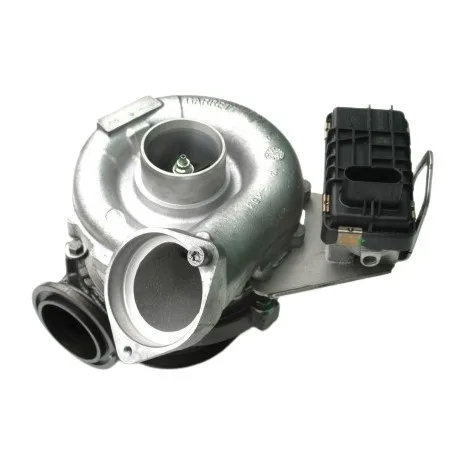
In stock
For BMW 330xd models with the 231 HP engine, finding a reliable turbocharger in exchange standard condition is critical to restoring performance without the cost of a new unit. This category serves independent garages, DIY enthusiasts, and stranded motorists seeking a direct-fit solution that matches OEM specifications. Discover our full range: 330xd (E90).
Professionals and private buyers alike benefit from a structured approach to sourcing remanufactured turbos, where calibration, packaging, and bulk pricing play decisive roles in operational efficiency. The focus remains on compatibility and traceability, ensuring the turbocharger meets the exact demands of the N57 engine family.
Our team, with years of experience in turbo exchange standards, prioritizes precision in matching parts to motorizations, ensuring no compromise on quality or fit. We handle the logistics so you can focus on repairs, not sourcing headaches.
Related categories
Frequently asked questions
About this category
The BMW 330xd 231 hp turbo exchange standard category addresses a persistent challenge in the aftermarket: locating a high-quality, remanufactured turbocharger that aligns with the N57 diesel engine’s specifications. This range is designed for independent garages performing routine maintenance, DIY mechanics restoring performance, and motorists seeking a cost-effective alternative to OEM replacements. Each unit undergoes rigorous remanufacturing processes to restore factory-level performance while adhering to strict compatibility standards.
This category is built on a foundation of traceability and compatibility, sourced from trusted remanufacturers who specialize in BMW’s turbocharger systems. The role of the wholesaler here is to streamline access to these parts, ensuring that garages and private buyers receive turbos that meet the exacting standards of the N57 engine. The focus is on providing a reliable, pre-verified solution that eliminates guesswork in part selection.
Professional uses by trade
Different users approach turbocharger replacement with distinct priorities, whether it’s the urgency of a roadside repair, the precision of a professional workshop, or the hands-on satisfaction of a DIY project. Each target audience requires tailored information to make an informed decision.
- Independent garage: Replace a failing turbocharger on a 330xd with a remanufactured unit to restore power and fuel efficiency without the expense of a new OEM part.
- DIY mechanic: Source a turbo in exchange standard condition to avoid the complexity of core returns while ensuring compatibility with the N57 engine’s specifications.
- Stranded motorist: Find a direct-fit turbocharger to get back on the road quickly, prioritizing availability and ease of installation over long-term storage concerns.
- German buyer (DACH): Purchase a turbo that meets BMW’s strict quality standards, ensuring reliability and compliance with local automotive regulations.
- Workshop manager: Stock remanufactured turbos for the 330xd to reduce downtime and maintain a steady supply of high-demand parts for customer repairs.
- Performance tuner: Select a turbocharger that supports modifications while maintaining compatibility with the stock engine management system.
- Fleet operator: Source turbos in bulk to minimize operational disruptions, focusing on consistency and traceability across multiple vehicles.
Range comparison
The following table presents the available turbocharger options for the BMW 330xd 231 hp, each listed with its reference and primary use case. These units are remanufactured to meet OEM specifications, ensuring seamless integration into the engine system.
| Range | Use | Format |
|---|---|---|
| Turbo Garrett 758352-5026S | DIY enthusiast repair |
How to choose
Selecting the right turbocharger involves evaluating several key factors, from packaging and storage conditions to the remanufacturer’s reputation. These criteria ensure the part meets the demands of both professional and private use.
- Conditioning: Opt for turbos stored in climate-controlled environments to prevent moisture damage and ensure long-term reliability.
- Traceability: Prioritize parts with clear documentation, including OEM reference numbers and remanufacturing batch details.
- Rotation: Choose suppliers with a fast turnover to minimize the risk of obsolete or outdated stock sitting in warehouses.
- Compatibility: Verify the turbo’s fitment against the vehicle’s VIN or engine code to avoid mismatches in geometry or connections.
- Packaging: Select units shipped in protective, anti-corrosion materials to safeguard during transit and storage.
- Reputation: Source from remanufacturers with a proven track record in BMW turbocharger systems to ensure quality.
- Core deposit: Consider the consignment process for used turbos, which often includes a refundable deposit to streamline returns.
- Warranty terms: Review the warranty provided by the remanufacturer, focusing on coverage duration and conditions for claims.
Storage & logistics
For professional buyers, proper storage of remanufactured turbos is essential to maintain their condition until installation. These parts should be kept in a dry, temperature-controlled environment, away from direct sunlight and humidity, which can degrade seals and bearings. Regular inventory rotation ensures that older stock is used first, reducing the risk of parts sitting unused for extended periods. For garages, storing turbos in labeled, airtight containers with desiccant packs helps preserve their integrity. When handling bulk shipments, palletized storage with protective covers prevents damage from dust or accidental impacts, ensuring the turbos remain in optimal condition for customer repairs.
With over a decade of experience in turbo exchange standards, our team understands the critical role these parts play in keeping BMW 330xd engines running smoothly. We’ve refined our sourcing and logistics to ensure every turbo meets the exacting standards of the N57 platform, delivering reliability without compromise.— autoKUR team
Related categories
Browse our other ranges:
Useful references
For regulatory and sector references, see Reglement (UE) 461/2010 — pieces de rechange et garantie constructeur.