

Available products
3 references

Frequently asked questions
About this category
This category brings together exchange turbochargers built specifically for the 2.0 TDI 170 engine, a diesel unit shared across several vehicle platforms and known for a recurring failure pattern around variable geometry and shaft play. Anyone arriving here usually already knows the engine code and the horsepower figure rather than a part reference, so the range is organized around that entry point: engine, power output, then the specific turbocharger model that fits. It serves independent garages ordering for a customer's vehicle, and owners diagnosing a loss of power or unusual noise themselves.
Each reference in this range is a remanufactured exchange unit rather than a new part, rebuilt around the original core and checked before listing. Building the range around the 2.0 TDI 170 code means cross-referencing OEM numbers and equivalences across the brands that use this engine, so two apparently different turbochargers can end up matching the same vehicle. The distributor's role here is that cross-referencing work, done once so it doesn't have to be repeated at the counter.
Professional uses by trade
The same 2.0 TDI 170 turbo reaches very different hands: a garage confirming a diagnosis before ordering, a driver stuck at the roadside needing a fast answer, an owner used to handling engine work directly, and a German-speaking buyer comparing exchange units before deciding. The uses below reflect how each of them actually approaches this page.
- Independent garage: Confirms the engine code and power figure against the customer's vehicle before ordering, avoiding a return caused by a mismatched variant.
- Independent garage: Cross-checks the OEM reference against the equivalence table here rather than relying on a supplier's verbal assurance over the phone.
- Motorist stranded roadside: Searches by engine code and symptom, such as a whistling noise or sudden loss of power, to identify the part needed.
- DIY enthusiast: Compares the cartridge and CHRA details of each listing before deciding whether a full unit or a partial rebuild fits the job.
- DIY enthusiast: Reads the core deposit and return process in advance, since the exchange only completes once the old turbocharger is sent back.
- German-speaking buyer (DACH): Compares the two available references side by side to match the exact engine code before placing a cross-border order.
Range comparison
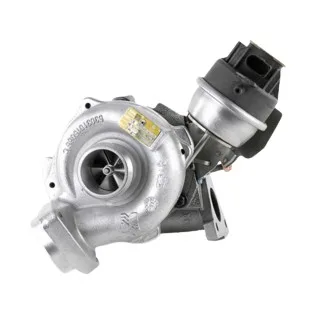
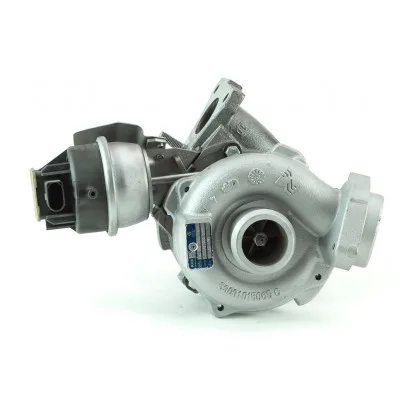
The table below sets the two exchange turbochargers available for the 2.0 TDI 170 engine side by side, so a professional or an owner can compare them by manufacturer and typical use before choosing one over the other.
| Range | Use | Format |
|---|---|---|
| SL Turbo 818987-5001S | engine-specific exchange replacement | |
| Turbo BorgWarner - KKK 5303 988 0189 | OEM-line equivalent replacement |
How to choose
Choosing between these references comes down to a handful of practical checks rather than brand preference alone: confirming the engine code, reading the core return terms, and understanding how the exchange process is documented before the order is placed.
- Match the full engine code and power output printed on the vehicle's documentation against the listing, since a single digit difference changes the correct reference.
- Check whether the reference is a direct OEM equivalent or a cross-brand match, since both routes can fit the same vehicle differently.
- Read the core deposit and return window before ordering, since the exchange transaction is only closed once the old turbocharger is shipped back.
- Verify whether the cartridge and CHRA are described as replaced or reused, which affects how the unit is inspected before it is listed.
- Consider how the vehicle will be used afterward, since a professional installation follows a different verification sequence than a roadside emergency swap.
- Confirm the warranty terms stated on the listing itself rather than assuming a default duration, since coverage is set at the point of sale.
Storage & logistics
Exchange turbochargers are handled as core-and-return items rather than simple stock: each unit ships with the expectation that the removed part comes back within the stated window, which is why packaging is built around protecting both the outgoing and the returning core during transport. Units are stored upright, sealed against dust ingress at the compressor and turbine housings, and kept away from moisture until installation. For a garage managing several exchange orders at once, tracking which core belongs to which invoice matters as much as the part reference itself, since a delayed or mismatched return can hold up the next order.
Since 2026 we've built this range one engine code at a time rather than importing a generic catalogue, because a 2.0 TDI 170 turbo that fits on paper doesn't always fit on the car in front of you.— autoKUR team
Related categories
Browse our other ranges:
Useful references
For regulatory and sector references, see Reglement (UE) 461/2010 — pieces de rechange et garantie constructeur.