

Available products
3 references

Frequently asked questions
About this category
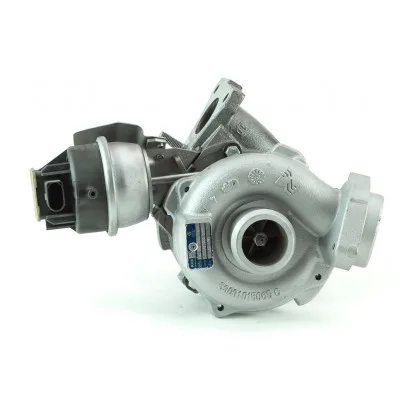
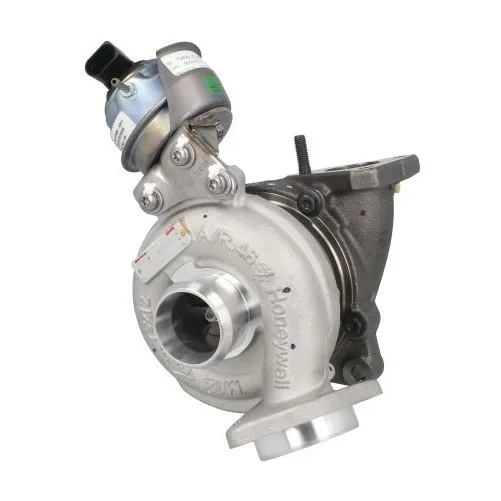
The 2.0 TDI 143 hp turbo exchange standard category addresses a common challenge faced by owners of diesel-powered vehicles from major European manufacturers: the need for a cost-effective, high-performance replacement turbo that restores original engine characteristics. This range is designed for those who require a solution that balances affordability with reliability, whether for a single repair or fleet maintenance. The turbos listed here are specifically engineered for engines producing 143 horsepower, covering a wide array of models from the early 2000s to recent production years.
This range is curated by a specialist wholesaler with deep expertise in diesel engine components, sourcing turbos that have undergone rigorous remanufacturing processes to ensure they meet or exceed OEM performance benchmarks. The selection process prioritizes compatibility with the 2.0 TDI 143 hp platform, leveraging industry-standard calibration and testing protocols to deliver seamless integration. Each turbo is paired with the correct CHRA (Center Housing Rotating Assembly) and wastegate geometry to maintain optimal boost levels and engine efficiency.
Professional uses by trade
Different user profiles approach the 2.0 TDI 143 hp turbo exchange standard category with distinct priorities, whether it’s restoring a daily driver, servicing a commercial vehicle, or addressing a performance issue in a project car. The following usage scenarios highlight how each group benefits from this specialized range.
- Independent garage mechanic: Sources a remanufactured turbo that fits the 2.0 TDI 143 hp engine without requiring extensive modifications, reducing labor time and ensuring customer satisfaction with a quick turnaround.
- Stranded motorist: Finds a direct replacement turbo for immediate installation, avoiding the delays and costs associated with ordering a new OEM unit or waiting for a repair shop appointment.
- DIY enthusiast: Purchases a turbo that matches the engine’s specifications, allowing for self-installation with confidence in its compatibility and performance after remanufacturing.
- Fleet manager: Orders multiple turbos in bulk to maintain a consistent stock of exchange standard units, minimizing vehicle downtime across a commercial fleet.
- Performance tuner: Selects a turbo that supports the 143 hp platform while offering potential for future upgrades, ensuring the engine remains responsive under modified conditions.
- Classic car restorer: Acquires a remanufactured turbo that restores original performance levels to a vintage 2.0 TDI engine, preserving authenticity without sacrificing reliability.
- German DACH buyer: Identifies a turbo with precise fitment for the 2.0 TDI 143 hp, leveraging the German market’s preference for high-quality remanufactured components with long-term durability.
- French buyer: Chooses a turbo that aligns with the 2.0 TDI 143 hp’s common failure points, ensuring a solution that addresses frequent issues like boost leaks or wastegate malfunctions.
Range comparison
The turbos listed in this category are selected for their direct compatibility with the 2.0 TDI 143 hp engine, covering a range of OEM and aftermarket references that ensure broad application across multiple vehicle models.
| Range | Use | Format |
|---|---|---|
| Turbo BorgWarner - KKK 5303 988 0133 | Direct fit for VW Group TDI engines | |
| SL Turbo 818988-5002S | Universal application for 2.0 TDI platforms | |
| SL Turbo 5303 988 0190 | High-performance rebuild for 143 hp variants |
How to choose
Selecting the right turbo for the 2.0 TDI 143 hp requires evaluating several key factors, including compatibility, remanufacturing quality, and the specific needs of the vehicle’s usage profile. The following criteria help guide professionals and enthusiasts toward the most suitable option.
- Compatibility verification: Confirm the turbo’s fitment with the engine code and vehicle model to avoid mismatches that could lead to performance issues or installation complications.
- Remanufacturing standard: Prioritize turbos that have undergone a standardized remanufacturing process, ensuring consistent quality and longevity in real-world conditions.
- Core deposit policy: Understand the consignment terms for the used turbo, as this can impact the overall cost and logistics of the exchange standard process.
- Wastegate and geometry: Ensure the turbo includes the correct wastegate and variable geometry components to maintain proper boost control and engine efficiency.
- OEM equivalence: Choose a turbo that matches the original equipment manufacturer’s specifications, reducing the risk of adaptation issues during installation.
- Wholesale pricing: Evaluate the cost per unit for bulk orders, as this can significantly reduce expenses for businesses managing multiple repairs or restorations.
- Rotation and stock management: For professionals, select a supplier with a reliable inventory turnover to avoid delays caused by backorders or discontinued models.
Storage & logistics
Proper storage and handling of exchange standard turbos are essential to maintaining their performance and extending shelf life, particularly in a wholesale or workshop environment. These components should be kept in a climate-controlled space to prevent moisture damage or corrosion, with protective packaging to shield them from dust and contaminants. For businesses managing large inventories, implementing a first-in-first-out (FIFO) system ensures that older stock is used before newer arrivals, reducing the risk of degradation over time. Additionally, storing turbos in their original packaging or dedicated racks prevents physical damage from impacts or vibrations, which could compromise internal components like the CHRA or bearings. Regular inspections for signs of wear or contamination during storage help maintain the integrity of the turbos, ensuring they meet the high standards required for exchange standard applications.
With over a decade of experience in turbo remanufacturing, our team has seen firsthand how the right exchange standard component can transform a struggling 2.0 TDI 143 hp engine back into a reliable powerplant. We don’t just sell turbos—we provide solutions that keep vehicles on the road, whether for a quick repair or a long-term restoration project.— autoKUR team
Related categories
Browse our other ranges:
Useful references
For regulatory and sector references, see Reglement (UE) 461/2010 — pieces de rechange et garantie constructeur.