
Available products
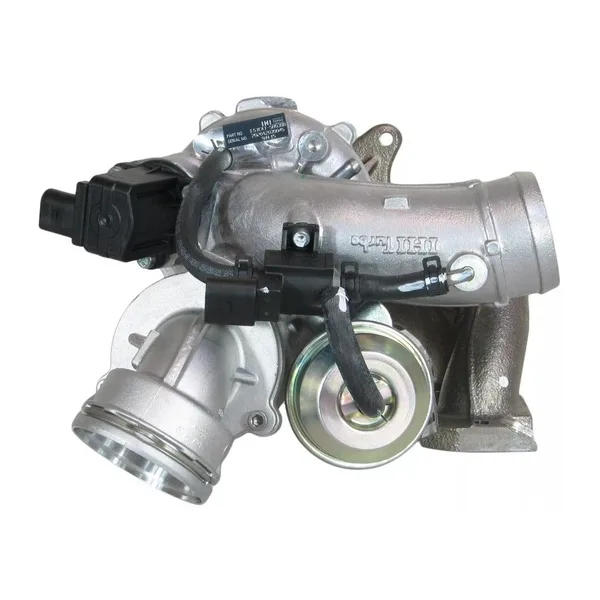
In stock
1 exchange-standard reference(s) match the AUDI Q3 (8UB / 8UG) 2.0 TFSI 211 hp (155 kW petrol). Output is the deciding criterion: a part meant for another output of the same displacement will not fit.
Engine specification: 1984 cm³, petrol, built from 06/2011 to 04/2015. Matching part number: 9VA15 (IHI). Compare with the code stamped on your part.
Other engines of the AUDI Q3 (8UB / 8UG): 2.0 TFSI 220 hp, 2.0 TDI 184 hp, 2.0 TDI 177 hp. If the code stamped on your part is legible, search by reference remains the safest route. 24-month warranty.
Related categories
Frequently asked questions
About this category
The 2.0 TFSI 211 hp turbo exchange standard category is designed for vehicles where engine performance hinges on a precisely calibrated turbocharger. Whether you’re a mechanic sourcing parts for a client’s Audi A4 or a driver repairing a Volkswagen Golf, this section provides the essential turbos for this engine configuration. All units are listed by vehicle make, model, and power output to simplify selection.
This range is built on a wholesale model where turbos are sourced from certified remanufacturers and distributed through a network of automotive suppliers. The focus is on exchange standard units, which undergo rigorous testing to ensure they meet the original equipment manufacturer’s specifications. This approach delivers reliability while reducing costs for both professionals and end-users.
Professional uses by trade
Different users approach the 2.0 TFSI 211 hp turbo exchange standard category with distinct needs. Garages prioritize bulk availability and compatibility, while DIY enthusiasts seek clear instructions and part numbers. German buyers often require detailed technical specifications and consignment options.
- Independent garage: Source a turbo that fits the 2.0 TFSI 211 hp engine without waiting for OEM lead times, ensuring minimal downtime for repairs.
- Stranded motorist: Replace a failing turbo with an exchange standard unit to restore vehicle drivability and avoid costly towing fees.
- DIY enthusiast: Purchase a turbo with clear OEM reference numbers to ensure a direct fit during self-repairs.
- German buyer: Access turbos compatible with Audi, Volkswagen, and Skoda models, with consignment options for used cores.
- Mechanic: Order turbos in bulk for workshop stock, reducing the need for emergency part sourcing during peak repair seasons.
- Passionate driver: Find a turbo that matches the engine’s power output to maintain the vehicle’s original performance characteristics.
- Professional workshop: Rely on exchange standard turbos to offer customers a cost-effective alternative to brand-new units.
Range comparison
Below, you’ll find the available turbos for the 2.0 TFSI 211 hp engine, listed by reference and designed for exchange standard use. Each unit is tested for compatibility and performance before distribution.
| Range | Use | Format |
|---|---|---|
| Turbo IHI 9VA15 | Suitable for Skoda Octavia 2.0 TFSI |
How to choose
Selecting the right turbo for the 2.0 TFSI 211 hp engine requires attention to several key factors. Professionals should evaluate packaging, storage conditions, and rotation speed to ensure long-term reliability.
- Check the turbo’s packaging for damage or moisture ingress, as improper storage can compromise performance during installation.
- Verify the turbo’s rotation direction and shaft alignment to match the engine’s original specifications for seamless integration.
- Prioritize turbos with a consistent remanufacturing process, ensuring all internal components meet OEM-grade tolerances.
- Opt for units with clear OEM reference numbers to avoid mismatches with the vehicle’s engine code or model year.
- Select turbos that include a core deposit option, allowing for a straightforward return of the used unit to reduce costs.
- Ensure the turbo’s geometry variable mechanism is functional, as this directly impacts the engine’s power delivery and efficiency.
- Choose turbos from suppliers with a track record of quick turnaround times to minimize workshop downtime during repairs.
Storage & logistics
For B2B storage, turbos should be kept in a climate-controlled environment with stable humidity levels to prevent corrosion or seal degradation. Units must be stored upright to avoid oil leakage from the CHRA (Center Housing Rotating Assembly). Regular inventory rotation is essential to ensure fresher stock is used first, maintaining the integrity of the exchange standard units. Palletized storage with protective covers is recommended for bulk orders to prevent dust contamination.
With over a decade in the turbo exchange standard market, our team has refined the process of sourcing and remanufacturing turbos for engines like the 2.0 TFSI 211 hp, ensuring every unit meets the high standards our customers demand.— autoKUR team
Related categories
Browse our other ranges:
Useful references
For regulatory and sector references, see Reglement (UE) 461/2010 — pieces de rechange et garantie constructeur.