
Available products
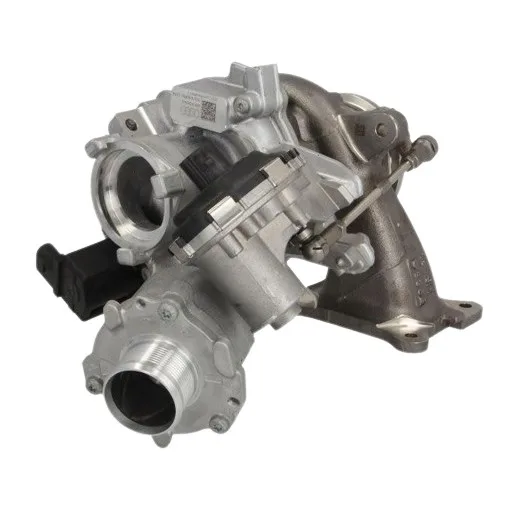
In stock
The AUDI Q2 (GAB / GAG) 40 TFSI 190 hp (140 kW petrol) is covered by 1 exchange-standard reference(s). Check output before displacement: it determines the part.
Engine specification: 1984 cm³, petrol, built since 09/2018. Matching part number: 06K145654F (IHI). Compare with the code stamped on your part.
Other engines of the AUDI Q2 (GAB / GAG): 2.0 TDI 190 hp, 2.0 TFSI 190 hp, 1.4 TFSI 150 hp. If the code stamped on your part is legible, search by reference remains the safest route. 24-month warranty.
Related categories
Frequently asked questions
About this category
The Audi 40 TFSI 190 hp represents a segment where engine efficiency and responsiveness are paramount, making the turbocharger a component that demands both reliability and precision. This category addresses the needs of three distinct audiences: the independent mechanic balancing cost and quality for customer repairs, the DIY owner tackling a project with limited tools, and the German buyer seeking OE-grade performance without dealership markup. Here, you will find exchange standard turbos designed to restore original power delivery while avoiding the premium of brand-new units.
Our range is curated from a network of remanufacturers specializing in OE-compliant turbos, where each unit undergoes a multi-stage process including core inspection, cartridge replacement, CHRA balancing, and leak testing. The supply chain leverages bulk purchasing power to maintain stable pricing, while technical documentation ensures compatibility across model years and power outputs. This approach bridges the gap between aftermarket variability and dealership exclusivity, offering a middle path for professionals and enthusiasts alike.
Professional uses by trade
Different users approach turbo replacement with distinct priorities, whether it’s minimizing downtime for a workshop, ensuring long-term reliability for a personal project, or securing OE-grade performance for a German-market vehicle. Each audience requires tailored information to make an informed decision without overcomplicating the process.
- Independent garage: Replace a failing turbo on a 2018 Audi A4 Avant 40 TFSI with confidence, knowing the exchange unit restores factory power levels without risking extended vehicle downtime.
- DIY owner: Source a remanufactured turbo for a 2019 Audi Q3 40 TFSI to avoid costly dealership visits while maintaining the precision required for seamless installation.
- German buyer: Purchase a high-grade exchange turbo for a 2020 Audi A5 Sportback 40 TFSI, ensuring compatibility with local emissions standards and workshop practices.
- Fleet manager: Stock exchange turbos for multiple Audi models to reduce repair lead times and maintain consistent performance across company vehicles.
- Performance tuner: Select a remanufactured turbo that preserves the engine’s original characteristics while providing a solid foundation for future upgrades.
- Roadside recovery technician: Carry a pre-verified exchange turbo in your van to resolve turbo failures on-site, reducing customer inconvenience and towing costs.
- Classic car restorer: Source a turbo matching the original specifications for a vintage Audi 40 TFSI to maintain authenticity without compromising drivability.
Range comparison
Below, you will find the available exchange standard turbos for the Audi 40 TFSI 190 hp, each listed with its core reference and intended use case. These units are selected for their OE-grade remanufacturing standards and broad compatibility across model years.
| Range | Use | Format |
|---|---|---|
| Turbo IHI 06K145654F | German-market emissions-compliant unit |
How to choose
Selecting the right turbo for the Audi 40 TFSI 190 hp requires evaluating several factors beyond mere compatibility, including remanufacturing quality, packaging suitability, and supply chain reliability. Each criterion plays a role in ensuring the unit performs as expected in real-world conditions.
- Remanufacturing quality: Prioritize turbos with documented core inspection and cartridge replacement to avoid premature failure or performance inconsistencies in service.
- Packaging integrity: Choose units shipped in protective, moisture-resistant containers to prevent damage during transit, especially for international orders.
- Supply chain reliability: Select suppliers with a track record of consistent lead times to avoid project delays or last-minute substitutions.
- Technical documentation: Ensure the turbo includes OE reference numbers and compatibility charts to simplify installation and reduce diagnostic guesswork.
- Bulk purchasing options: For workshops, evaluate pricing tiers based on order volume to maximize cost efficiency without sacrificing quality standards.
- Core deposit policies: Understand return procedures for the old turbo to avoid unexpected fees or delays in the exchange process.
- Compatibility verification: Cross-check the turbo’s specifications against the vehicle’s VIN or engine code to confirm exact fitment before purchase.
Storage & logistics
For workshops and distributors, proper storage of exchange turbos is essential to maintain their remanufactured condition until installation. Units should be kept in a climate-controlled environment, away from direct sunlight and humidity, to prevent seal degradation or corrosion. Shelving systems with vibration dampening are recommended to avoid mechanical stress on the CHRA components, while clear labeling ensures quick identification during busy repair schedules. Regular stock rotation follows a first-in-first-out principle to minimize the risk of outdated units remaining in inventory, and moisture-absorbing packets can be added to packaging to further protect critical surfaces. This approach preserves the turbo’s performance characteristics and extends its shelf life without requiring specialized equipment or conditions.
With over a decade of sourcing remanufactured turbos for European marques, our team has refined the process to prioritize consistency and reliability above all else, ensuring every unit meets the standards our customers demand.— autoKUR team
Related categories
Browse our other ranges:
Useful references
For regulatory and sector references, see Reglement (UE) 461/2010 — pieces de rechange et garantie constructeur.